


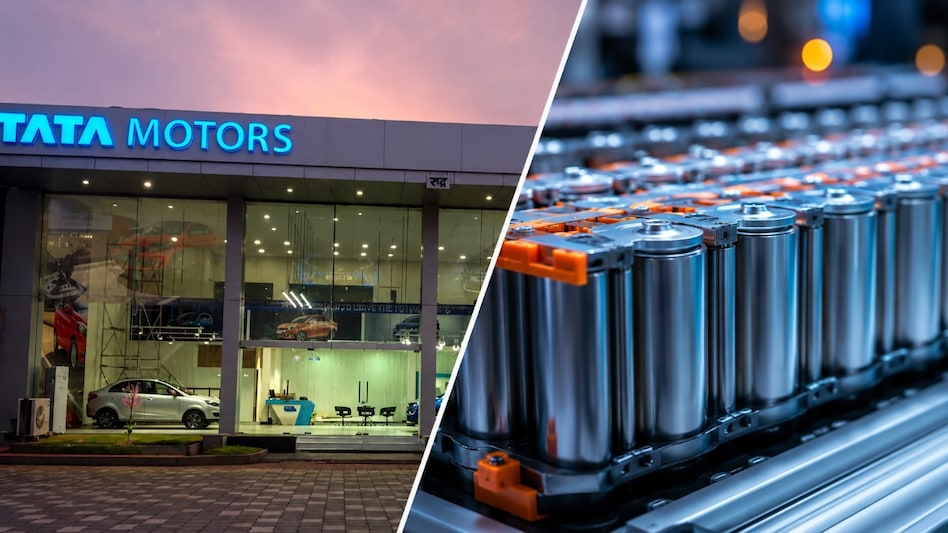
 Tata Motors said it has already taken measures to address the supply constraints (Image: AI generated)
Tata Motors Ltd has flagged bottlenecks in its electric vehicle (EV) supply chain amid a significant increase in demand, with shortages of some imported materials, particularly battery cells, affecting supplies.
“We have seen bottlenecks in the EV supply chain because of a significant increase in demand, and we are facing a shortfall in some of the imported materials, especially cells, which is a long lead-time commodity,” Girish Wagh, MD & CEO of Tata Motors, said during the post-earnings media conference call.

 'When India grows 7.8%, world sees fresh hope': PM Modi's big message amid global uncertainty
 NTPC and Adani apply under Rs 37,500 crore coal gasification scheme
 'India's fintech story has been amazing... A big champion of this is UPI': PM Modi
 Why Titan Company stock is top jewellery pick ahead of festive season
  Chandigarh suspends Uber, Rapido licences for 6 months for failing to comply with rules
 “Files Used To Get Stuck”: PM Modi Takes Dig At Delays, Hails 2,800 Km Freight Corridor
 Indegene’s Growth Story: Global Expansion, AI & The Future Of Healthcare Tech
 Ambareesh Baliga Turns Bullish On Specialty Chemicals, Bets On Archean Chemicals & Vinati Organics
 Gold Loan Rise Faces Risk? Ambareesh Baliga Flags Correction Threat For NBFCs
 Hindustan Copper Set To Rise 10-12% From Current Market Price
 Nifty 50 returns have been flat for 2 years. What should investors expect over the next 12 months? DSP mutual fund’s Sahil Kapoor explains
 Hindustan Copper shares jump nearly 5%; what's next on tech charts?Why Titan Company stock is top jewellery pick ahead of festive season
  Archean Chemical, Vinati Organics: Specialty chemical stocks to buy during correction
 Sensex slumps 555 points; Nifty briefly slips below 23,400 amid CAS volatility
 'Look what Delhi has done to him': Dreams of education turn into nightmare for student’s family
 FDA suspends licence of IRCTC supplier, 3 ISKCON food establishments in Mumbai
 ChatGPT's cricket play gets bigger: AI giant joins Campa, SBI Life as BCCI sponsors'When India grows 7.8%, world sees fresh hope': PM Modi's big message amid global uncertainty
 New EPF advance rules: Withdrawal provisions made easier for members












