

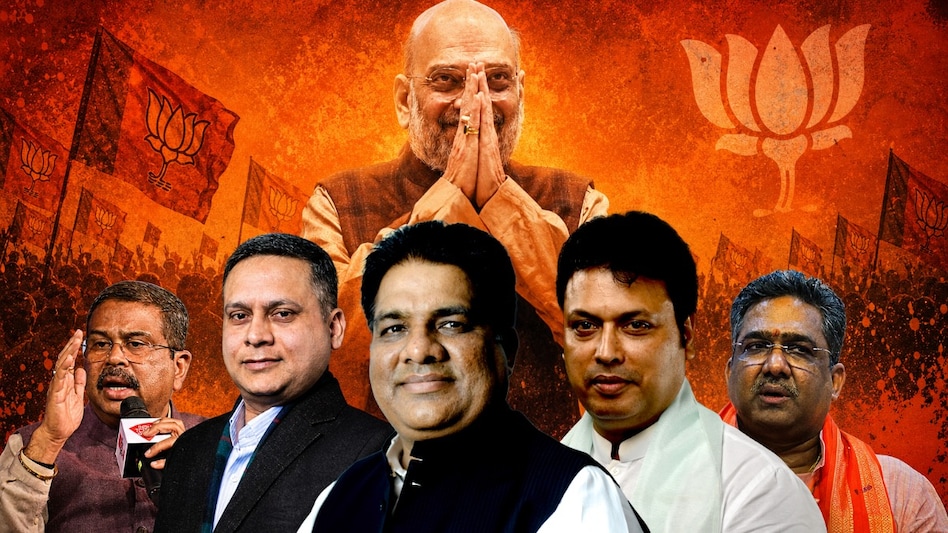
 West Bengal Elections 2026: Amit Shah and his team of 5 wins Bengal
West Bengal Election Results 2026: The BJP is on course for a sweeping victory in West Bengal, leading in nearly 200 of 294 seats and reducing the TMC to under 90 - a sharp turnaround from 2021, when Mamata Banerjee’s party had secured 213.
Don't Miss: The 7Ms that failed Mamata in West Bengal: From maa-maati-manush to migrants & more
 'Methodology is very robust': Former statisticians back GDP base year revision
 FCNR deposit bonanza: Economists explain why deft liquidity management will be key
 ‘Painful to hear allegations of data jugglery’: MoSPI secretary Saurabh Garg says every data is verifiable
 ₹1,800 crore Ultravolt bet: Aditya Birla Group enters wires and cables market, targets top two spot in 5 years
 $136 billion forex inflow gives rupee a lift, takes it to two-month high
 Maruti Suzuki Sees Strong Demand Ahead; ‘No Reason Why We Should Not Sustain Volumes’: Partho Banerjee
 Ultravolt: Birla’s New Wires & Cables Bet | Kumar Mangalam Birla Explains The Opportunity
 Why Did India’s GDP Fall From ₹86L Cr To ₹80L Cr? | MoSPI Secy Dr. Saurabh Garg Explains
 India Back To ‘A’ Rating After 38 Years: N K Singh Explains The Big Economic Shift
 Exposing The GDP Controversy: Why Subhash Garg's Math Is Flawed
 Coal India, Finolex Cables, Gulf Oil, Federal-Mogul Goetze among stocks to turn ex-dividend tomorrow, details here
 Fintech smallcase launches US stock, ETF portfolios for Indian investors
 Sensex plunges over 2,100 points in 3 minutes; what happened in final 5 minutes?
 Britannia, Tata Consumer, Marico: What should investors do as commodity inflation rise
 How EV-themed stocks could impact sentiment on Maruti Suzuki counter
  Retirement corpus is not enough: Why Indians need to plan for a regular income after retirement
 His ₹250 birthday order was cancelled. Now, consumer forum orders Zomato to pay ₹8,250
 Happy Janmashtami 2026: Wishes, messages, greetings to send to your friends, loved ones
 Luxury bags vs gold investment vs Birkin bag: Should you buy a handbag instead of gold?
 Hombale Films takes 'Hanuman Ansh' global: Check worldwide release date after ₹61 crore success












