


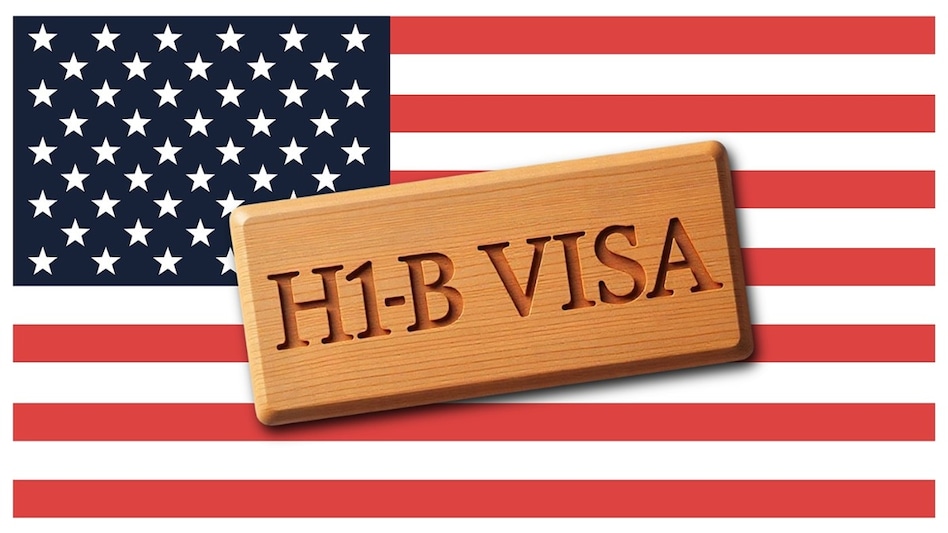
 US H-1B fee hike: DOL urges American companies to hire local citizens
The US Department of Labour, not mincing its words, asked American companies to hire American people and to stop the “abuse” of H-1B visa, whose fee was hiked by US President Donald Trump to $100,000, effectively closing the popular work visa for a large chunk of its applicants. This visa fee hike has come amid a rhetoric that immigrants have taken all jobs, leaving American citizens jobless.
“End H-1B abuse. Hire American,” said a social media post of the DOL. It shared a picture of US President Donald Trump along with three separate headlines from Time, The Washington Post, and Bloomberg Law, shedding light on the H-1B visa policy.

 3-day bank strike deferred after late-night talks between IBA and UFBU
 India's former top negotiator at WTO. Now he warns of risks in a full-fledged FTA with US
 Boeing detects software glitch in 737 MAX, working on permanent fix: Report
 Virat Kohli reaches 15,000 ODI runs, gets there 74 innings faster than Sachin Tendulkar
 India's China trade deficit may not tell the full story, FM Sitharaman explains why
 R Veeramani Case: Granite Tycoon Faces Widening POCSO Probe In Chennai
 Gen Z And Money: Why Young Investors Want Quick Returns Over Long-Term Wealth Creation
 How Is Alexa+ Different? Will It have Ads Even If You Pay? Exclusive Chat
 Demand Robust Across Segments | Production To Ramp Up, Exports To Expand: Vivek Srivatsa
 GST Council To Meet On October 7: Invoice Matching, ITC & UPI MDR Tax In Focus
 IPO rush: Four IPOs conclude today; check subscription status, other details of issues still open
 Meesho shares slip 7% as Nomura assigns 'reduce' call; here's what the brokerage says
  Sensex, Nifty extend losing streak to seventh week, longest since 2020: What's next?
 Suzlon in bear grip: Oversold signals emerge near 52-week low for the stock
  EIL shares jump 7% to hit record high; stock up nearly 62% in six months: What's driving the rise?
 'We are playing hockey, they are playing football': FM Sitharaman on China's trade barriers3-day bank strike deferred after late-night talks between IBA and UFBUVirat Kohli reaches 15,000 ODI runs, gets there 74 innings faster than Sachin TendulkarIndia's former top negotiator at WTO. Now he warns of risks in a full-fledged FTA with US
 India's first LNG-powered train is here: Amit Shah flags it off in Ahmedabad












