


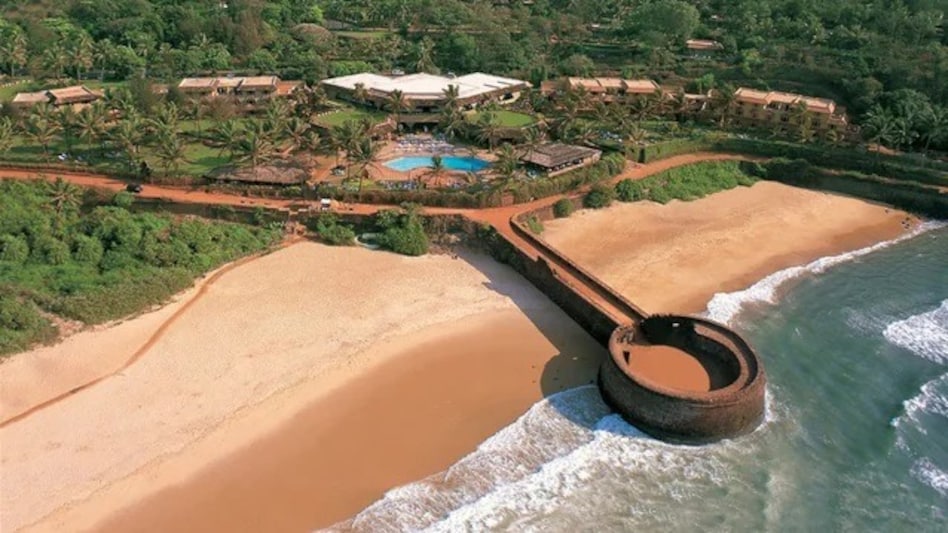
 Goa's history creates a striking paradox around India's Independence Day.
When India woke up to independence on August 15, 1947, one part of the country remained outside the new nation's freedom story. Goa was not under British rule. Instead, it remained a Portuguese colony — and its tricolour would not fly for another 14 years.
That makes Goa's journey to India one of the most unusual chapters in the country's history. While British rule ended across most of the subcontinent in 1947, Portuguese control over Goa, Daman and Diu continued until December 1961. The final chapter came through Operation Vijay, a military campaign that ended Portuguese rule in about 36 hours.

 BRICS Summit 2026: PM Modi, Russian President Putin meet in Delhi for bilateral talks
 Xi-Modi meeting: India-China thaw faces hurdles over border, trade and Pakistan
 Barrier-free tolling by Feb-March 2027, says Union Minister Nitin Gadkari
 Paytm shares hit 52-week high; brokerage expects stock to cross IPO price
  BRICS finance track pushes cross-border payments, local currency settlements
 RBI’s $136 Billion FCNR Mop-Up Builds Forex Cushion As Global Rates And Oil Prices Rise
 Nitin Gadkari On Barrier-Free Tolling: MLFF To Cut Waiting Time, Operational Costs Across India
 From Galwan To Handshake: Can Modi-Xi Finally Reset India-China Ties At BRICS Summit?
 Perfios’ Big Bets On AI, Digital Lending & The Future Of Fintech
 Visa Showcases The Future Of Digital Payments
 Sensex, Nifty settle lower but recover sharply from intraday lows; here's why
 Quantum AMC bets on cash logistics revival as consolidation boosts pricing powerPaytm shares hit 52-week high; brokerage expects stock to cross IPO price
  NSE IPO: Upto 5,58,000% gains! SBI, NICAL, Bank of Baroda, National Insurance to reap massive gains
 YES Bank shares jump nearly 8%; how strong is this upmove?RBI’s $136 Billion FCNR Mop-Up Builds Forex Cushion As Global Rates And Oil Prices Rise
 Iran’s Pezeshkian pitches BRICS financial architecture to accelerate de-dollarisation
 From edible lotus to galouti kebabs: What The Taj, Leela Palace and Lalit are serving BRICS leaders in Delhi
 Apple removed these iPhones, Watches and AirPods after its 2026 launch—what Indian buyers should knowBRICS Summit 2026: PM Modi, Russian President Putin meet in Delhi for bilateral talks












