


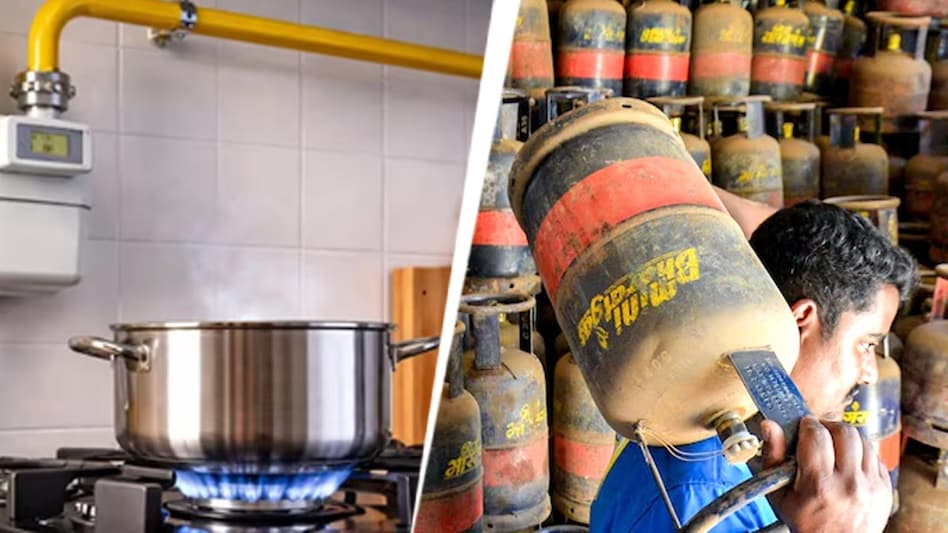
 Like every month, oil marketing companies are expected to revise the prices of commercial and domestic LPG cylinders on July 1.
July 1 is set to bring a series of important changes for LPG consumers across the country. Besides the monthly revision in LPG cylinder prices, consumers may also see new compliance requirements, including e-KYC verification and proposed timelines for shifting to piped natural gas (PNG) in areas where the network is available.
The changes are aimed at streamlining LPG distribution, curbing misuse of subsidised cylinders, reducing dependence on imports and encouraging households to adopt cleaner cooking fuel wherever feasible. Here's a look at the key LPG-related developments to watch.

 Hormuz crisis exposed world's energy weak spots: Why the next shock could hurt more
 Battle lines are drawn: Tata Trusts prepares to challenge N Chandrasekaran’s reappointment in the court
 'Hormuz will never be...': Qatar Energy chief dismisses Bessent's 'worthless in 2 years' claim
 Welspun Corp stock in focus as arm wins 'large' order from Saudi Aramco
  HDFC Bank shares: Buy, hold or sell? Bear case scenario in the price, says UBS
 Gold Price Target 2026: Expert Sees MCX Gold At ₹1.8 Lakh By Year-End Amid Strong Demand
 Health Insurance: Why Pre-Existing Diseases And Waiting Periods Matter For Buyers
 Crude Oil Above $100: How High Energy Prices And Rupee Weakness Impact Gold Prices In India
 CEA On India’s Manufacturing Rise, Atmanirbhar Bharat And Modi’s Economic Policy
 Health Insurance Buying Guide: 7 Things First-Time Buyers Must Check Before Choosing A Policy
 Accel, Tiger Global-backed Moneyview IPO opens on Sept 24; check price band, size & all key details
  SoftBank plans $11 billion junk bond sale to fuel multi-billion dollar OpenAI bet: Report
 Apollo Pipes shares in focus on entry into tiles business
  Hero Motors IPO: How to check allotment status on BSE, NSE & Kfin; odds of getting shares & GMP Welspun Corp stock in focus as arm wins 'large' order from Saudi Aramco Accel, Tiger Global-backed Moneyview IPO opens on Sept 24; check price band, size & all key details SoftBank plans $11 billion junk bond sale to fuel multi-billion dollar OpenAI bet: ReportApollo Pipes shares in focus on entry into tiles business
  LPG, CNG, PNG prices today (September 21): Check latest rates in Delhi, Mumbai, Kolkata, other cities
 Gold, silver prices on September 21: Check latest rates in Delhi, Mumbai, Kolkata, other cities












