












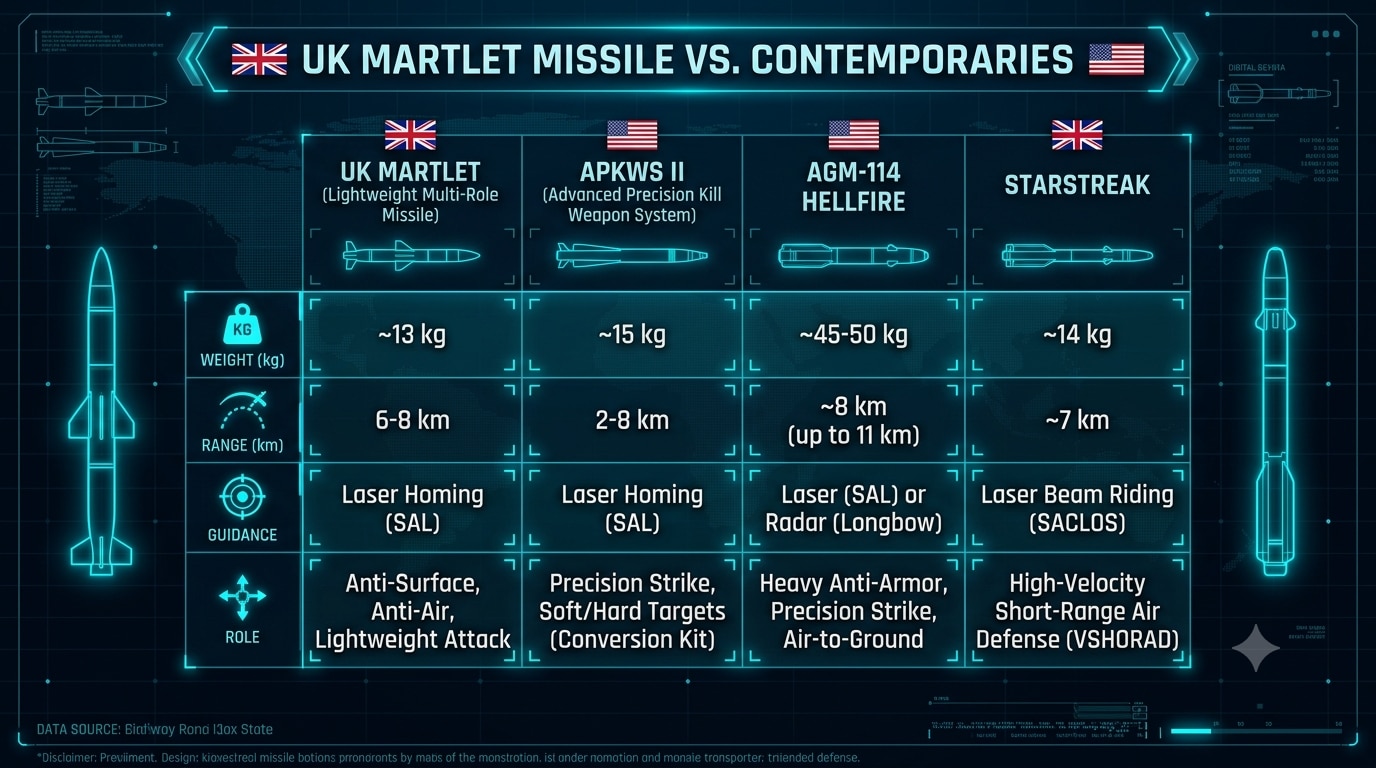



 The Martlet is the Royal Navy’s name for the Lightweight Multirole Missile (LMM) developed and manufactured by Thales UK in Belfast.
 India is preparing to significantly expand its planned purchase of Britain’s Lightweight Multirole Missiles (LMM), better known as Martlet, with the Indian Army emerging as potentially the weapon’s biggest customer after Ukraine. The development comes as militaries increasingly look for a different kind of air-defence weapon: one that can destroy relatively cheap drones without wasting million-dollar interceptors.
India and the UK are close to signing an Inter-Governmental Agreement for the missiles, with British officials indicating that the Indian requirement has grown substantially from the original plan announced in October 2025. The earlier government-to-government package was valued at £350 million ($468 million), while the revised requirement is expected to run into several hundred missiles.

 Setback for Subhash Chandra: NCLT puts media baron's repayment plan on hold, seeks CBI response in 4 weeks
 NSE IPO: Sunil Munjal, RK Damani, Raamdeo Agrawal, Dolly Khanna, Kris Gopalakrishnan turn big winners; here's how
 Tata power play: Chandrasekaran family's TVS ties emerge days after Venu Srinivasan backs his third term
 India ranks 4th among countries worst hit by heat-related deaths due to Super El Nino. Here's how
 BT Big Story: Why India Inc is warming up to non-English-speaking executives
  Elevate Campuses IPO Opens: Should You Apply For Listing Gains Or Avoid This Issue?
 FM Sitharaman At BRICS Meet: Technology, Shared Standards And People Shape Tax Administration
 EXCLUSIVE: Abhishek Manu Singhvi Defends Tata Trusts’ Veto Rights; Explains The Boardroom Battle
 UNGA 2026: Can The U.N. Stop Wars? Security Council Crisis, Oil Shock & India’s Reform Push
 S&P Upgrades India’s FY27 Growth Forecast By 40 Bps To 7%; Expects RBI Rate Hike To 5.50%
 Defence stock to buy: Ashika picks pure-play drone maker, sees 27% upside
 ITC, Godfrey Phillips shares gain on latest cigarette price hike
  Clean Max Enviro Energy shares: Macquarie's target price sends stock soaring 8%
 Solar Industries: Revenue CAGR seen at 43% till FY30, can the stock hit Rs 23,000 mark?
 Bajaj Finance share price target: Why it is among Jefferies’ top NBFC picks
 More than half of term insurance buyers now choose ₹1 crore+ cover: What has changed after GST reliefElevate Campuses IPO Opens: Should You Apply For Listing Gains Or Avoid This Issue?Defence stock to buy: Ashika picks pure-play drone maker, sees 27% upside
 Homebuyers, take note! Puravankara plans ₹5,200 crore Greater Noida housing project near airportFM Sitharaman At BRICS Meet: Technology, Shared Standards And People Shape Tax Administration


