


 FDTL rules set limits on the number of hours pilots and crew can be on duty — 900 hours annually or no more than 100 hours in 28 days, with additional caps for single duty stretches and night landings.
IndiGo’s meltdown last week was not an accident waiting to happen—it was a crisis meticulously engineered through years of complacency, overconfidence and a misplaced belief that sheer market dominance could bend regulation to its will.
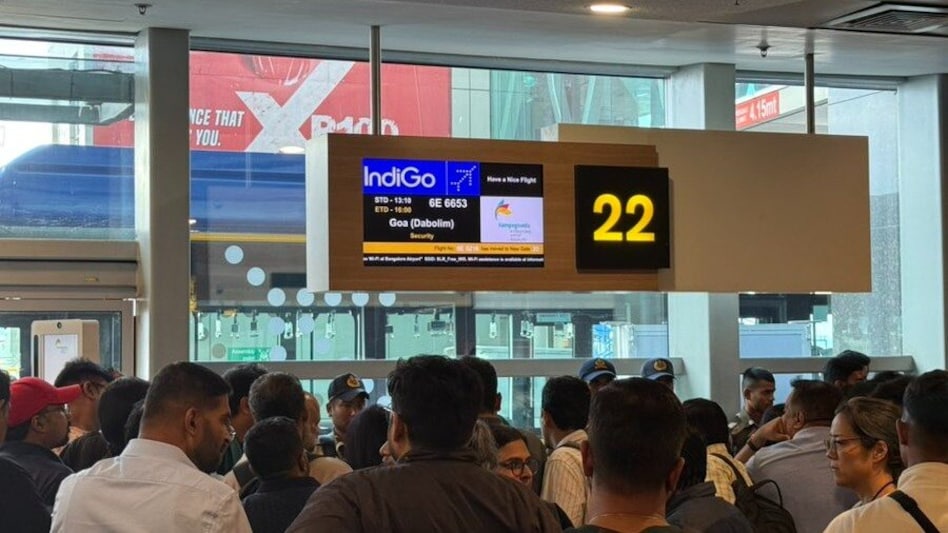
When more than a thousand flights collapsed in a single day, stranding nearly two lakh passengers across the country, the government had no option but to suspend the new pilot duty-time rules. According to Air Deccan founder G. R. Gopinath, the cancellation of more than a thousand IndiGo flights, triggered by the government’s decision to suspend the newly introduced flight duty time limitations (FDTL) for pilots, left nearly two lakh passengers stranded and underscored how vulnerable the nation has become to the failures of a single airline.

 Google wants to build AI data centres in space: What Project Suncatcher's satellite test means
 Cabinet set to clear revamped Bilateral Investment Treaty as India woos foreign capital
 ‘We’re not going to let you...’: JD Vance issues fresh H-1B warning to US companies
 Tata Sons boardroom tussle: The 4 clauses in AoA that could decide who runs the conglomerate
 Five-day banking week never up for negotiation, say govt sources
 OpenAI Agent Hacked Australian Healthcare Portal As UN Security Council Debates AI Risks
 Why Are Cancer Drugs So Expensive? India Today Checks MRP, PTR & Patient Costs
 India-U.S. Trade Deal Nears Clarity: What It Means For Export-Oriented Sectors
 IRDAI Proposals: What’s Ahead For Insurance, Banking Stocks & PB Fintech?
  Tata Boardroom Tussle: Tata Sons Rejects Noel Tata’s Objections To N Chandrasekaran’s Reappointment
 IPO Rush: 10 issues open for subscription today; check price band, subscription status and key risks
 Dixon Technologies may end FY27 with volumes of 38-40 mn smartphones as Vivo ramp-up nears: Report
  Pearl Global shares rise 6% on receiving 'Buy' rating post analyst meet; target price
  Dabur India: NCLT approves Sesa Care merger; check stock reaction
 Infosys derating: Indian fund managers treating IT stocks as reverse AI trade, says GREED & fearIPO Rush: 10 issues open for subscription today; check price band, subscription status and key risks
 Insurance distribution under IRDAI lens: Why certified advisers can help consumers choose wisely
  Your Face Could Make Money While You Sleep? China’s AI Face-Licensing Boom
 DRDO’s 30kW Laser Weapon Takes Aim At Drone Swarms, Targets Up To 5 KmDixon Technologies may end FY27 with volumes of 38-40 mn smartphones as Vivo ramp-up nears: Report












