


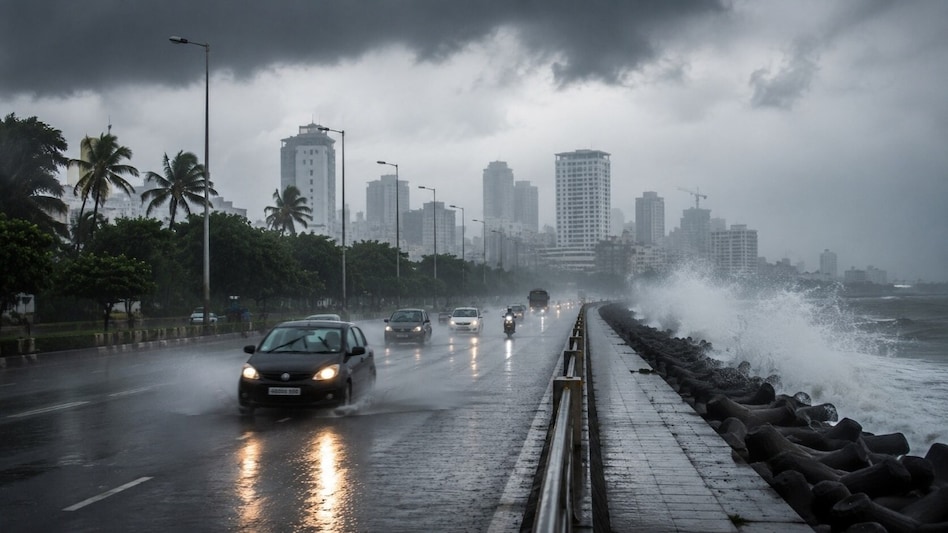
 The IMD has forecast below-normal 2026 monsoon rainfall at 90% of the Long Period Average (LPA), with rainfall 43% below normal as of June 28.
India's economy is becoming progressively less vulnerable to fluctuations in monsoon rainfall, even as this year's southwest monsoon has started on a weak note, according to the Department of Economic Affairs' Monthly Economic Review for June 2026.
The report says structural changes in the economy, wider irrigation coverage, improvements in farming practices and government efforts to build climate resilience have reduced the sensitivity of both agricultural output and overall economic growth to rainfall variability. As a result, India is now better placed to absorb weather-related shocks than in previous decades.

 Setback for Subhash Chandra: NCLT puts media baron's repayment plan on hold, seeks CBI response in 4 weeks
 NSE IPO: Sunil Munjal, RK Damani, Raamdeo Agrawal, Dolly Khanna, Kris Gopalakrishnan turn big winners; here's how
 Tata power play: Chandrasekaran family's TVS ties emerge days after Venu Srinivasan backs his third term
 Oracle layoff: Workers over 40 bear the brunt of job cuts in cloud division
  BT Big Story: Why India Inc is warming up to non-English-speaking executives
  S&P Upgrades India’s FY27 Growth Forecast By 40 Bps To 7%; Expects RBI Rate Hike To 5.50%
 Supreme Court On Medicine Prices: ₹27,000 MRP For ₹2,700 Drug | ‘Extortion’, ‘Daylight Dacoity’
 Macro Volatility Vs Earnings: Why Earnings Matter More Than Valuations | Anshul Saigal
 India’s CDMO Opportunity: Anshul Saigal Spots Underappreciated Names
 IT Stocks Under Pressure: What Next For Indian Markets? | Chakri Lokapriya
 HDFC Bank shares climb nearly 9% from 52-week low; Macquarie retains 'Outperform' tag
 Swastika Infra IPO booked 30% in 2 hours on Day 1: Check brokerage views, latest GMP and key detailsNSE IPO: Sunil Munjal, RK Damani, Raamdeo Agrawal, Dolly Khanna, Kris Gopalakrishnan turn big winners; here's how
 Adani Ports shares: CLSA retains 'Outperform'; highlights logistics, marine growth
 IDFC First Bank shares rise 5% as MOFSL upgrades rating; check target priceOracle layoff: Workers over 40 bear the brunt of job cuts in cloud division HDFC Bank shares climb nearly 9% from 52-week low; Macquarie retains 'Outperform' tag
 Asian Games 2026: Mirabai Chanu bags silver medal in weightlifting, ends India’s 28-year drought
 Why Protean eGov Technologies is looking at an aggressive overseas expansion
 'All decisions taken unanimously': Election Commission denies dissent report on SIR












