


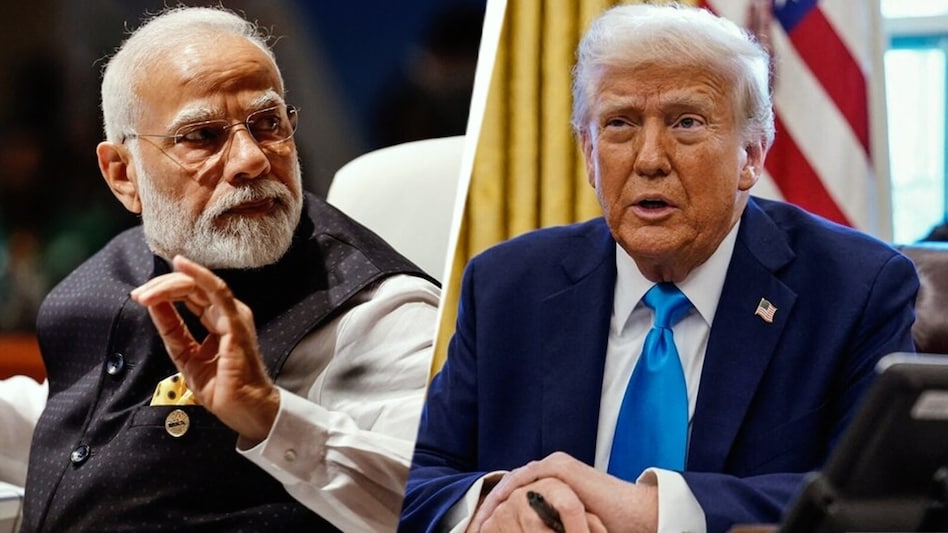
 I think India needs to get over that sense that this is a temporary phenomenon, says Sushant Sareen
India needs to start de-risking from the United States just as it has sought to de-risk from China, foreign affairs expert Sushant Sareen said after the US Senate passed a bill that allows President Donald Trump to impose 100% tariffs on goods from countries buying Russian oil and gas.
"I think India needs to get over that sense that this is a temporary phenomenon. This is signalling a much more permanent kind of a breach," Sareen said while speaking to news agency ANI.

 JD Vance dials PM Modi, discusses ways to deepen India-US ties
 Pilots’ body urges govt to set up Civil Aviation Authority, replace DGCA with autonomous regulator
  6th-gen fighter tech: India turns to French-led European consortium to ensure air force doesn't lag
 EV boom could trigger a new commodity supercycle: Why copper, lithium, graphite matter
 Air India, Air India Express hike pilot salaries by up to 17% amid poaching battle: Report
 I.T. Stocks Rebound After Sharp Rally: Is The Worst Over Or Is Caution Still Needed?
 Income Tax Notices Explained: Common ITR Mistakes That Can Trigger A Tax Department Notice In India
 Reasons Why Your Health Insurance Claim Gets Rejected | Experts Share How To Avoid Them
 Deductibles Vs Co-pay In Health Insurance: What They Mean & How They Affect Your Premium | Health Insurance
 How To Choose Mutual Funds And Avoid Costly Investing Mistakes
 Poonawalla Fincorp: Planning to buy the NBFC stock? Here's what expert says
  Adani Green shares down 16% from July high; is it time to buy this Adani stock? Targets
 Short-term buy ideas: 2 stocks that Pradip Halder is betting on
 India’s realty IPO market evolves: Why workspaces, managed assets are next big theme
 PPFAS MF's Rajeev Thakkar explains why the fund isn't chasing OpenAI-like AI stocks
 'As with China, India must now de-risk from US': Sushant Sareen after Senate clears 100% tariff bill
 Up to 3 nominees allowed: How to split your mutual fund and demat assets
 Indian Railways rule: No blanket in AC coach? You may get money back
 Quote of the Day by JRD Tata: ‘Money is like manure. It stinks when you pile it; it grows when you spread it’JD Vance dials PM Modi, discusses ways to deepen India-US ties










