


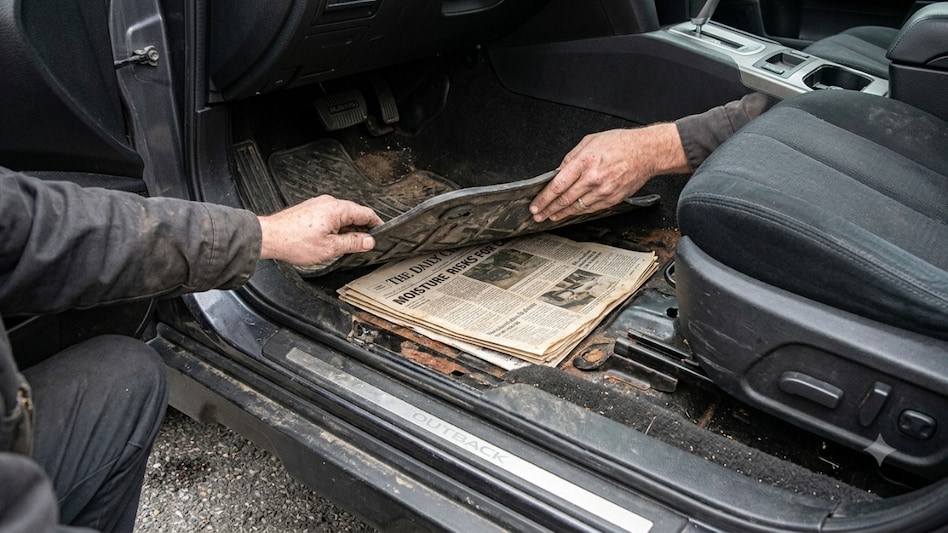
 Moisture trapped beneath vehicle floor mats is a silent threat to any car, gradually rusting out metal floor panels long before any damage becomes visible on the surface.
You step into your car, turn the key, and drive off, completely unaware of the costly damage brewing right beneath your feet. Beneath those innocent-looking rubber mats, trapped water could be silently eating away at your vehicle's metal floor frame — turning minor rainwater into thousands of rupees in hidden structural rust repairs.
By the time you spot the damage or smell the rot, the structural integrity of your floorboard may already be compromised. Moisture trapped beneath vehicle floor mats is a silent threat to any car, gradually rusting out metal floor panels long before any damage becomes visible on the surface.

 India's debt ratio looks reasonable, but its interest cost doesn't, says ISB finance professor
 Nepal issues fresh flood alert as Bhote Koshi river flow increases further
 From IIT, IIM and London to IAS: Deoria DM Divya Mittal resigns after 13 years
 Sadhguru returns to Nepal; Isha says 'no encouraging indication of survivors at immigration office'
 How Tim Cook positioned India as the pillar of Apple’s long-term growth beyond the iPhone
 Debt Funds Have Risks Too: 3 Key Risks Every Investor Should Know Before Investing
 Gold Vs Silver: Which Is Better Buy Now? Why Silver Could Outperform Gold
 Debt Funds Explained: Which Fund Should You Choose Based On Your Investment Horizon?
 ITR Filing Deadline August 31: Key Rules For Freelancers, Content Creators & F&O Traders
 “Bengaluru Needs Metro, Not A ₹40,000-Crore Tunnel Road,” Says Tejasvi Surya
 Jio Platforms IPO gets SEBI nod: Rs 27,500 crore debt repayment plan, $100 billion valuation in focus
 Closing Auction Session: Why the system expected to reduce volatility is still seeing occasional wild swings
 RIL-backed penny stock hits 52-week low; firm clarifies on high trading volume
 Happiest Minds shares slip despite IT stocks surge; here's what is weighing on the stock
 BEL, Solar Industries shares remain Nuvama's top defence picks; here's what it said on BDL, Data Patterns, HALIndia's debt ratio looks reasonable, but its interest cost doesn't, says ISB finance professorDebt Funds Have Risks Too: 3 Key Risks Every Investor Should Know Before Investing
 Gold, silver prices today (August 30): Check latest rates in Delhi, Mumbai, Kolkata, other cities
 Petrol, diesel prices today, August 30: Check latest rates in Delhi, Mumbai, Chennai, Kolkata & moreGold Vs Silver: Which Is Better Buy Now? Why Silver Could Outperform Gold












