


 According to the school, about 85% of its students completed their annual well-child visit, compared with 55% of children enrolled in Medicaid across the county.
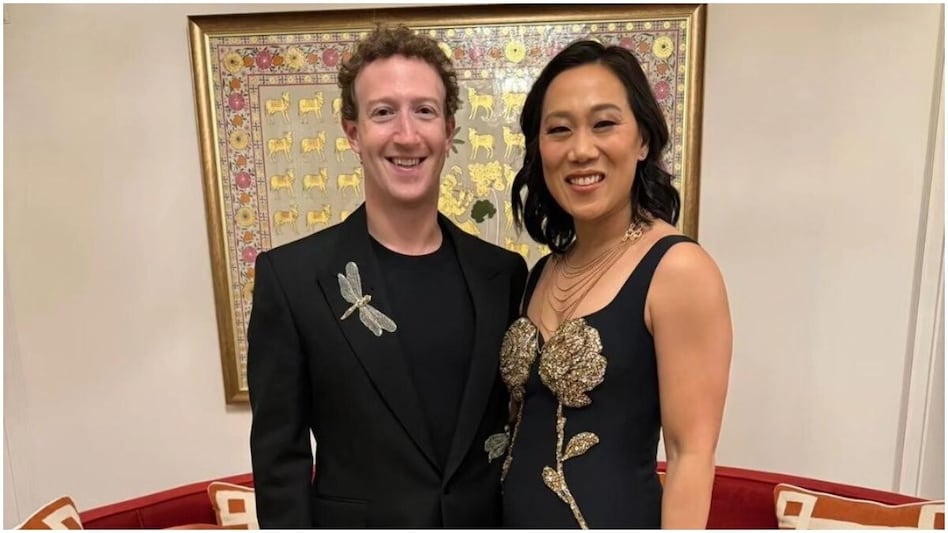
A school launched by Meta CEO Mark Zuckerberg and his wife, Dr Priscilla Chan, to give free education and healthcare support to low-income families has shut down after nearly 10 years. The Primary School, which received more than $125 million from the Chan Zuckerberg Initiative (CZI), closed in June after its board decided to wind up operations when it learned that funding would not continue beyond the 2025-26 academic year.
The Primary School, located in East Palo Alto, California, was founded in 2016 by Chan, a paediatrician, with the aim of bringing education, healthcare and family support together under one roof for children from low-income communities.

 Tata Sons listing: Inclusion in RBI’s upper layer NBFC list keeps issue wide open
 'MDR applies only to merchants, not end users': FM Sitharaman hits back at Jairam Ramesh on UPI charge
 ₹3.25 lakh crore defense deal: France proposes to build 94 Rafale jets in India
 SEBI opens new business avenues for credit rating agencies beyond traditional debt ratings: Report
 India's first woman 'Top Gun' pilot: How Sqn Ldr Bhawana Kanth earned IAF's toughest combat badge
 Can Private Developers Monetize Government Land? | Mr. Vinayak Chatterjee
 Sensex, Nifty Weather Global Storm: What's Supporting The Market?
 Biocon Posts 9% Rise In Q1 Total Income; Biopharma Revenue Up 17%
 Shiprocket IPO | CEO & CFO On Growth Strategy, E-Commerce & IPO Plans
 Market Guru | Mihir Vora Of TRUST Mutual Fund On Banks, IT & Market Outlook
 SEBI opens new business avenues for credit rating agencies beyond traditional debt ratings: Report
 Pidilite Industries Q1: MD Sudhanshu Vats decodes stellar earnings show
  Indian Bank may benefit from banking revival; ICICIDirect's Jai Thakkar sees upside
 Cummins India stock outlook: Why this earnings-led fall may not derail the rally
 Firstsource Solutions shares tank 17% as Q1 profit misses estimates
  Bandhan Mutual Fund's new fund targets overlooked companies. Here's what investors should know
 OTT releases this week (August 3-9): 'Main Vaapas Aaunga ', 'Operation Safed Sagar ', 'Vadhandhi: Season 2 ' and more to watch this weekend
 Who earns the most from your mutual fund? Banks beat fintechs, independent advisors trail
 ₹3.45 lakh Japan holiday: What Indian travellers get in IRCTC’s new package
 HDFC Bank, ICICI Bank raise FCNR(B) deposit rates to 6.25%: What it means for NRI investors










