












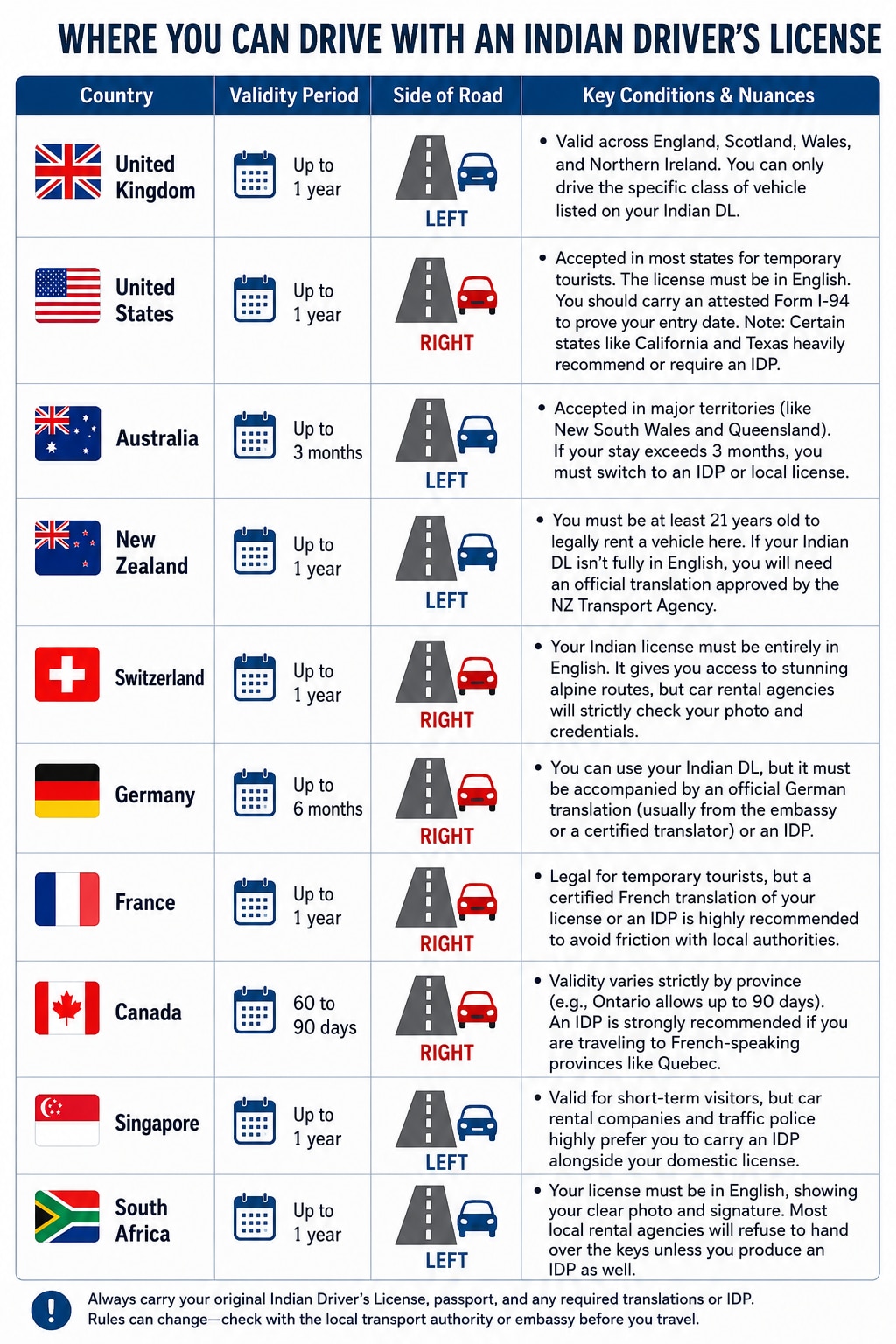


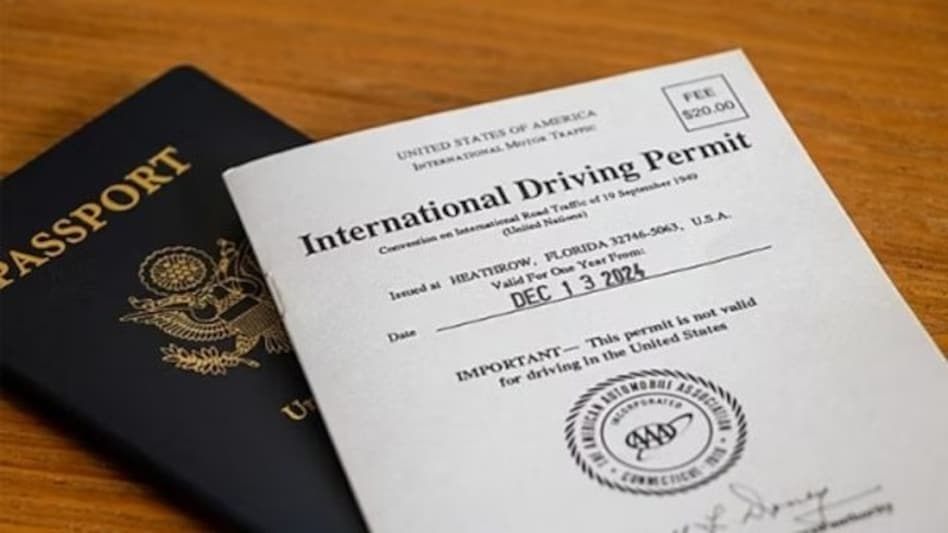
 An International Driving Permit is not a separate license; it is an official, UN-sanctioned translation of your domestic driving license into multiple languages.
Do you want that unforgettable road trip through the Swiss Alps or along California's Pacific Coast Highway to be remembered for the breathtaking vistas, or for a shocking traffic fine that lands in your Indian mailbox weeks after you return?
While driving on pristine international highways is the ultimate vacation dream for many Indian travelers, it can quickly turn into a bureaucratic headache if you aren't careful. From hidden speed cameras to complex right-of-way rules, steering a car in a foreign country requires much more than just holding a valid license.
 ‘An Indian consumes 1/10th of an average American’: Amb Kwatra says energy security comes first
 Tata stock to buy: Nuvama bets on unique tech-telecom play, sees 28% upside
  IndiGo shares in focus as baggage, infant fee, priority boarding charges likely raised
 El Nino impact? India headed for driest monsoon since 2009, food inflation fears rise: Report
 LPG, CNG, PNG prices today (September 18): Check latest rates in Delhi, Mumbai, Kolkata, other cities
 Corporate Health Insurance Vs Retail Policy: Why You Need Personal Health Cover Too
 How India Changed In 12 Years: PM Modi’s Journey From Economic Reforms To Viksit Bharat
 Modi @76: From Twitter To Instagram, How His Digital Outreach Has Evolved
 Stock Picks To Watch: Shibani Kurian Reveals Kotak AMC’s Market Bets
 Gold ETF vs Physical Gold: Know the Tax Rules, Charges and Key Differences
 OnEMI Technology shares in focus as board clears fund raising via preferential route
  Adani Power, Adani Green, Adani Ports, Adani Energy: Jefferies shares target prices
 Kotak Bank, Auro Pharma, GE Vernova T&D: Top stocks to trade — Key levels, target price & stop loss
 NSE IPO attracts nearly 12 lakh applications on Day 1 of bidding; key details
 Adani Green Energy: Jefferies expects 69% upside amid short-term correction
 iPhone 18 Pro, Pro Max: 3 big reasons to consider Apple’s next flagship iPhones
 Box office clash: Pankaj Tripathi-led 'Mirzapur: The Movie' tops ₹200 crore in India, 'Hanuman Ansh' stays the courseOnEMI Technology shares in focus as board clears fund raising via preferential route Adani Power, Adani Green, Adani Ports, Adani Energy: Jefferies shares target pricesKotak Bank, Auro Pharma, GE Vernova T&D: Top stocks to trade — Key levels, target price & stop loss


