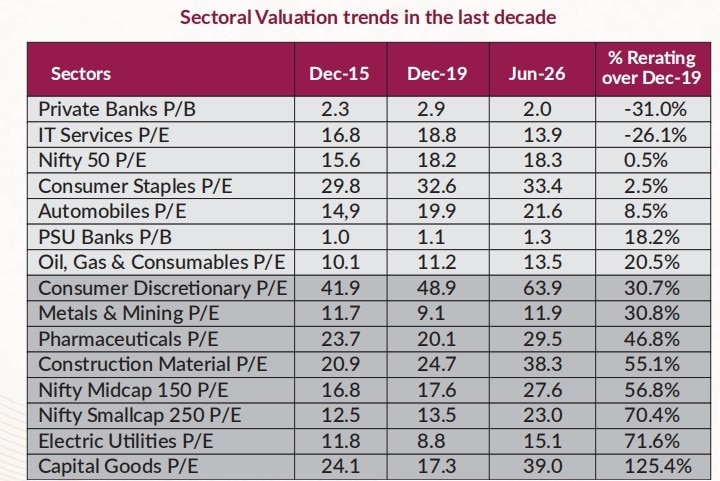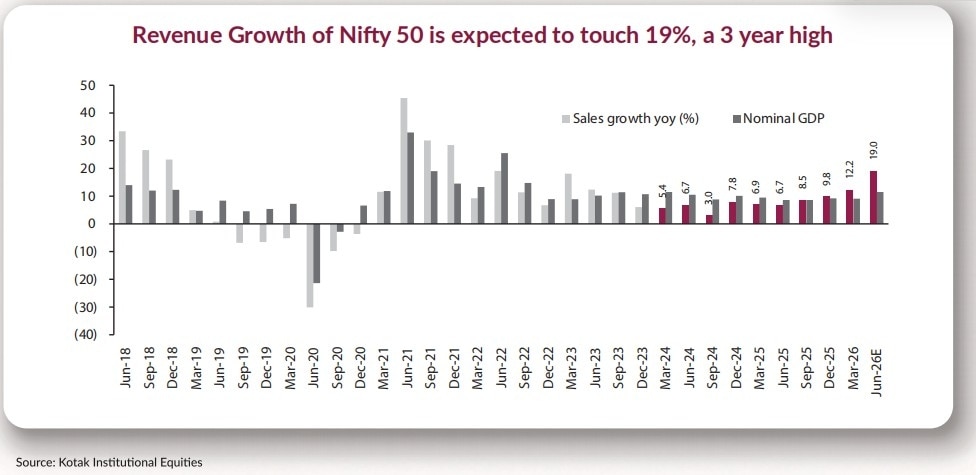



 Axis MF says the earnings trajectory of large-cap companies has historically tracked nominal GDP growth more closely than that of smaller companies.
After several years of mid- and small-cap stocks dominating market returns, large-cap equities could be poised for a resurgence as India's macroeconomic environment evolves, according to a new report by Axis Mutual Fund. The fund house believes the next phase of the equity market may not be about choosing between large and small companies, but about recognising that high-quality large caps are once again offering an attractive combination of earnings visibility, reasonable valuations and resilience.
The report outlines six key reasons why investors should revisit large-cap stocks.

 Will the July 31 ITR deadline be extended? Everything salaried taxpayers need to know
 ‘100-Year flood on memory pricing’: Tim Cook explains why Apple raised prices
 Singapore tax clarification clouds returns from leveraged FCNR deposits: Report
 Zepto IPO: Unlisted shares tumble as listing plans stall; experts flag valuation reset
 After PM Modi's Facebook video removal, Meta India head faces FIR over AI-generated videos
 Should You Choose Mutual Funds Based On Expense Ratio? Pooja Bhinde Explains
 What Is The Best Age To Buy Term Insurance? Here's Why Buying Early Can Save You More
 Q1 Earnings Show Slow Growth, But Devarsh Vakil Expects Stronger Recovery Ahead For Markets
 India Market Outlook: FII Flows May Fuel Large Cap Rally As Global Money Returns To Indian Markets
 Kia Syros EV First Drive Review | 526 KM Range, Premium Cabin | Better Than Tata Nexon EV?
 Vedanta shares: HZL drives Q1; CLSA, JPMorgan see upside; sell stock, says Citi
 KOSPI's 19% record rally today post month-long meltdown; what's behind the trend reversal Zepto IPO: Unlisted shares tumble as listing plans stall; experts flag valuation reset
 Hyundai Motor shares jump 9%; brokerages see new launches driving growth, raise target prices
 FIIs on a buying spree for three days: Analyst decodes renewed interest
  August 2026 and your finances: ITR deadline, CKYC 2.0 rollout, RBI policy, LPG prices and other key financial changes to watchVedanta shares: HZL drives Q1; CLSA, JPMorgan see upside; sell stock, says Citi
 15,423 engineering seats vacant after JoSAA as CSAB opens fresh admission window for JEE aspirants
 Bhiwandi 4-storey building collapse: Death toll rises to 9, CM Fadnavis directs immediate FIR against those responsibleSingapore tax clarification clouds returns from leveraged FCNR deposits: Report