

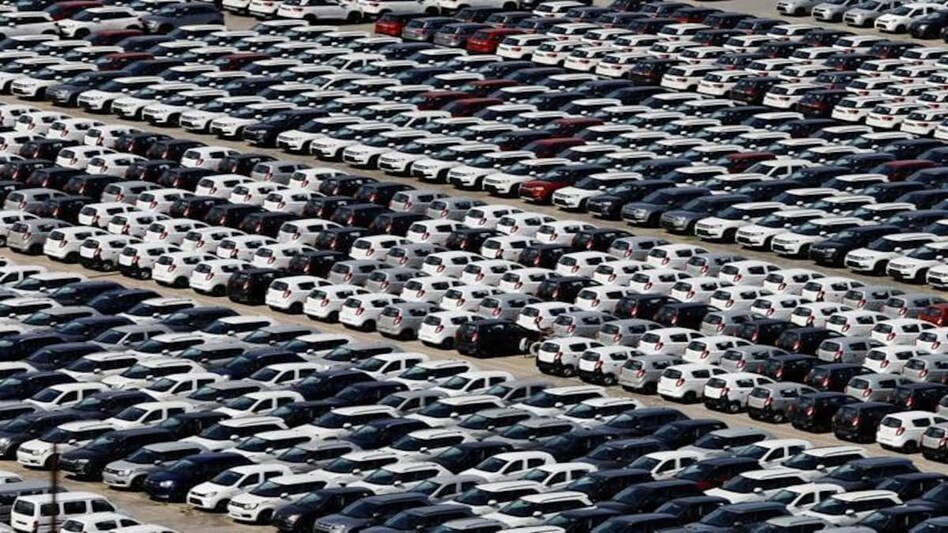
 How Indian car makers will be able to meet demand and continue to grow around the world
The ever-evolving global economy may dent the competitiveness of India’s automotive industry, but it could also serve as the catalyst for new growth opportunities. The uncertainty around US trade and its impact on the competitiveness of India’s automotive industry — which exported $9.5 billion worth of goods to the US last year — could be stabilised by new bilateral trade pacts similar to the Comprehensive Economic and Trade Agreement (CETA) signed in July between India and the UK.
With much of the existing trade from India to the US representing auto parts, there remains a thriving export industry in the finished vehicle sector to other parts of the globe, including both local brands like Maruti and Mahindra & Mahindra and global automotive brands like Hyundai and Kia.
 BT Big Story: How the FCNR(B) deluge has created two new problems for the RBI
  ‘I think the world of Chandra,’ says JPMorganChase Chairman Jamie Dimon amid reappointment row
 Tata Sons to be split into smaller entities instead of listing? Here’s what we know
 'Professor Doolla simply discharged his duties': IIT-Delhi faculty forum backs professor in IIT Bombay student death
 NSE IPO beats Hyundai, LIC, Paytm in subscription; how 5 largest issues fared
 R Veeramani POCSO Case Widens: Multiple Survivors Traced | India Today Investigation
 Tata Tussle Escalates: N Chandrasekaran Row | What Lies Ahead For Tata Group And Stocks?
 Burqa Ban In Italy? Meloni Pushes New Rules On Face Coverings
 Tata Trusts-Tata Sons Row: Harish Salve Explains RBI Rules, Singhvi Flags Shareholder Rights
 Top Legal Eagles Flock To Tata Sons & Tata Trusts As Boardroom Clash Heads To Court
 Adani Enterprises stock set for 28% upside, says Jefferies; cites these factors
  Pine Labs shares jump 6% after 4.3% equity changed hands in block deal
 Runwal Enterprises IPO opens on September 25; check all key details including price band, size and more
 German Green Steel and Power IPO opens on Sept 25: Check price band, issue size & key details
 Embassy Developments shares rise 8% on 'largest single residential unit transaction'; Angel One founder buyer
  'Hanuman Ansh' beats 'Dhurandhar 2', becomes most profitable Bollywood film of 2026 with over 15,000% ROIAdani Enterprises stock set for 28% upside, says Jefferies; cites these factors Pine Labs shares jump 6% after 4.3% equity changed hands in block deal
 iPhone 18 Pro users have a new problem: Face ID fails, phones reboot unexpectedly'Professor Doolla simply discharged his duties': IIT-Delhi faculty forum backs professor in IIT Bombay student death












