

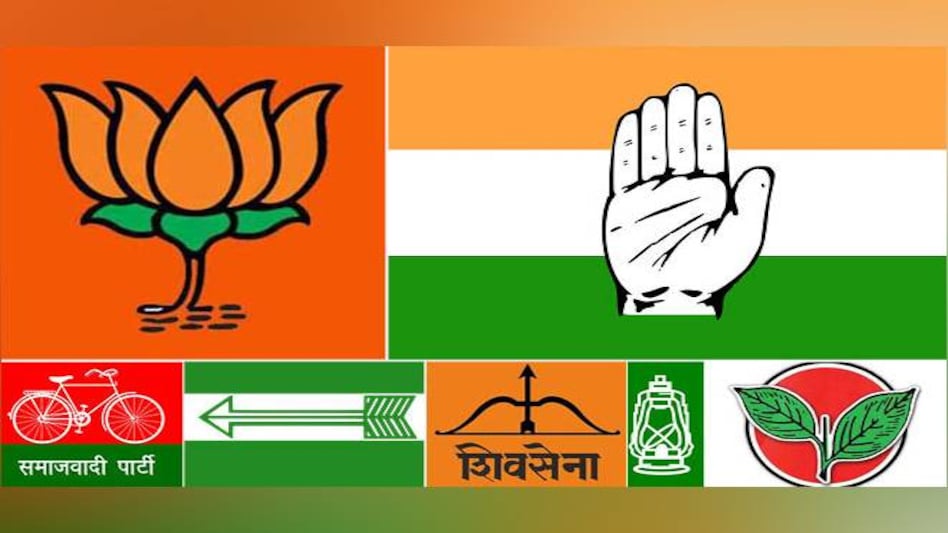
The two big political parties, BJP and Congress together won an average of 56.5 per cent seats in the last four Lok Sabha Elections (306.75 out of 543 seats), indicating that the regional parties may become a reckoning force in the 2019 National Election if BJP's seat share falls compared to 2014 numbers. BJP and Congress won a maximum of 60 per cent seats in 2014 (considering the last four elections) and a minimum of 52 per cent in 2004. It indicates that a minimum share of 40 per cent seats remained with regional parties despite the anti-incumbencies, regional issues and political waves. Between 1999 and 2014, both BJP and Congress formed governments twice each with the support of regional alliance partners.
BJP won an aggregate 718 seats in the last four elections, while Congress won 509 seats and it means BJP has won 209 seats more than Congress--thanks to the swing in 2014, in which the Modi wave combined with 10 year anti-incumbency of the Manmohan Singh government and a slew of corruption charges brought BJP to power. BJP's average number of seats in the four elections is 179.5, while Congress has 127.25.
 Behari Lal shares make a solid market debut; stock lists at 63% premium, HNIs make Rs 1.3lakh profit
 Gaja Alternative AMC IPO opens today: Should you subscribe? Check price band, GMP, reviews & more
 KKR picks minority stake in BookMyShow; to support platform’s next phase of growth
 Kolkata hotel fire kills nine, including 1 child, rescue teams evacuate 80 people; police detain two staffers
 Stock market today: Crude oil price, West Asia tensions keep Sensex, Nifty in red
 Google Pixel 11 Series First Look: Tensor G6, Gemini Integration & AI Camera Upgrades | Tech Today
 BJP’s New Digital Gameplan: Deepak Mhaskey On Winning The Social Media Battle
 Govt May Cut 100% Sugar Import Duty: Impact On Prices And Sugar Stocks
 Global Bond Yields Surge: Why Rising U.S. Treasury Yields Could Pressure Stock Markets
 Defence Stocks Rally As India Adds 405 Items To Sixth Indigenisation List Worth ₹3,000 Crore
 Sugar stocks: Bajaj Hindusthan, Shree Renuka, Dwarikesh shares rally up to 12%; here's whyStock market today: Crude oil price, West Asia tensions keep Sensex, Nifty in redBehari Lal shares make a solid market debut; stock lists at 63% premium, HNIs make Rs 1.3lakh profit
 Zaggle stock rally: Vijay Kedia earns notional profit of Rs 6 crore in a day Gaja Alternative AMC IPO opens today: Should you subscribe? Check price band, GMP, reviews & more
 Out of Google Photos storage? Simple ways to free space without losing your memories
 'We took the correct action': Tukaram Mundhe after Bombay HC pulls up Maharashtra FDA in Pune sweets shop caseSugar stocks: Bajaj Hindusthan, Shree Renuka, Dwarikesh shares rally up to 12%; here's why
 'Awarapan 2' vs 'Batwara 1947' box office collection day 6: Nostalgia wins big as Emraan Hashmi film eyes ₹150 crore, Sunny Deol's film struggles
 Failed JEE twice, learnt product design on YouTube and now earns ₹2 lakh a month: Ankur Warikoo shares Indore man’s journey












