


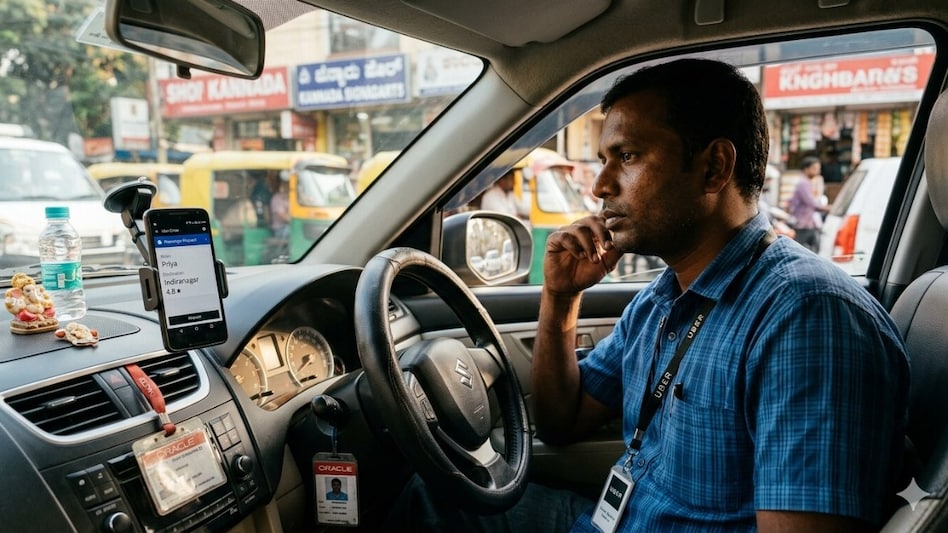
 The choice between owning a car and relying on ride-hailing services depends on individual travel patterns. For those who drive every day or need a vehicle for family use, ownership can still offer value.
Buying a car has long been considered a major financial milestone. But with rising ownership costs and the growing popularity of app-based ride-hailing services, many urban professionals are beginning to ask a different question: Is owning a car still the most economical option?
The answer increasingly depends not just on affordability, but on how often the vehicle is used and the total cost of ownership over its lifetime.

 N Chandrasekaran’s reappointment: Tata board believes veteran’s association would benefit the company immensely
  Inside IndiGo’s FY26 hiring gap: Airline added 18,000 more flights but just 330 new pilots
 July 31 ITR deadline FY26: Over 5 crore returns filed, Here's what taxpayers must check last minute
 Indian stock market impact: What rising September Fed rate hike bets mean
 Inception, James Bond and now Ramayana: How India-linked DNEG became Hollywood’s Oscar-winning VFX giant
 U.S. Fed Holds Rates, Inflation Fears Return: Gaurang Shah Explains Impact On Markets
 Banking Stocks Outlook: Can Lower Costs And Strong Credit Growth Drive The Next Rally?
 Top Sectors For FY27 Growth: Why IT, Banks, Defense And Power Could OutI.T. Set For Re-Rating? Why FY27 Could Be A Turning Point | Banks, Defence In Focusperform
 FIIs Turning Positive On India After Massive Sell-Off? Ajay Bagga Explains The Flow Shift
 How To Build The Perfect Mutual Fund Portfolio | Active Vs Passive Strategy Explained
 Tata Steel Q1 results preview: Net profit may fall 3-7%, sales may grow in double digits
 MTAR Technologies shares snap five-session losing streak, climb 5% after Q1 results, order update
 Asian Paints outlook: Single-digit volume growth likely amid high competition, war effects
  Suzlon shares in bear grip: down 20% in July so far; analysts still see up to 60% upside
 GRSE share price: Garden Reach a Buy post Q1 results? Why Antique cut target for defence PSU
 Car ownership vs ride-hailing: Is buying a car still the smarter financial choice?
 Oman air force taps India’s DRDO cognitive tech to pick next generation of fighter pilots U.S. Fed Holds Rates, Inflation Fears Return: Gaurang Shah Explains Impact On Markets
 Assam floods: Sajjan Jindal quietly donates Rs 5 crore; Himanta says state learnt from bank statementTata Steel Q1 results preview: Net profit may fall 3-7%, sales may grow in double digits










