


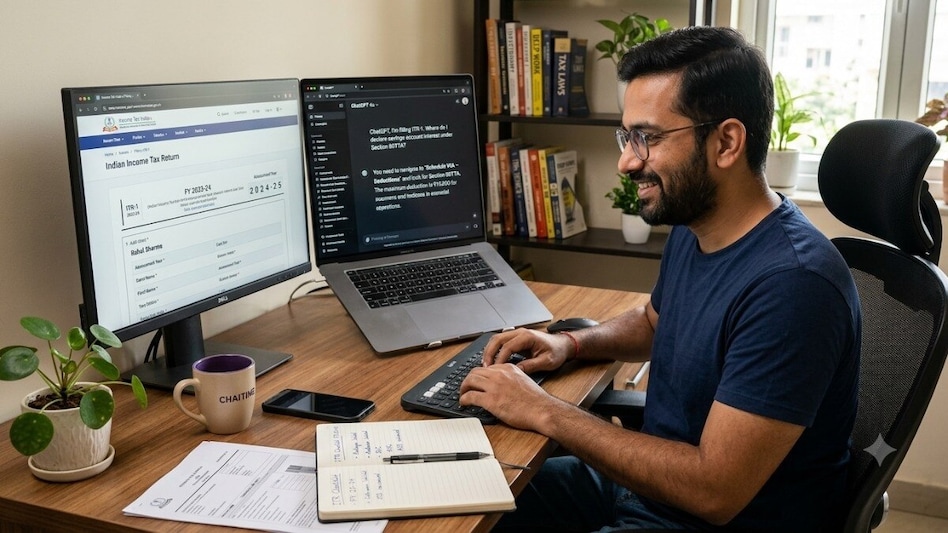
 The income tax return filing schedule for the Assessment Year 2026-27 has changed, with different deadlines for different ITR forms.
Zomato and Blinkit have facilitated income tax return (ITR) filing for more than one lakh delivery partners across 905 cities, helping unlock tax refunds worth Rs 18 crore. The initiative comes even as salaried taxpayers race to meet the July 31 ITR deadline, while the filing deadline for eligible gig workers remains open until August 31, 2026.
According to the companies, nearly 73% of the delivery partners who filed their returns this year were first-time ITR filers, indicating that a growing number of gig workers are entering the formal financial ecosystem for the first time.

 Will the July 31 ITR deadline be extended? Everything salaried taxpayers need to know
 Large-cap stocks may be set for a comeback: Here's why Axis Mutual Fund is bullish
 ‘100-Year flood on memory pricing’: Tim Cook explains why Apple raised prices
 Singapore tax clarification clouds returns from leveraged FCNR deposits: Report
 BT EXPLAINER | Can 'longevity' expert Bryan Johnson's $2 million experiment prevent disease?
 Should You Choose Mutual Funds Based On Expense Ratio? Pooja Bhinde Explains
 What Is The Best Age To Buy Term Insurance? Here's Why Buying Early Can Save You More
 Q1 Earnings Show Slow Growth, But Devarsh Vakil Expects Stronger Recovery Ahead For Markets
 India Market Outlook: FII Flows May Fuel Large Cap Rally As Global Money Returns To Indian Markets
 Kia Syros EV First Drive Review | 526 KM Range, Premium Cabin | Better Than Tata Nexon EV?
 Federal Bank shares at record high, analyst shares views post sharp rally
  Bajaj Finance share price: Expert sees Rs 1,500 target after breakout; says hold the stock
 Sun Pharma Q1 results: Profit rises 27% to Rs 2,895 crore; revenue climbs 10%
 NSE IPO likely by September before Shradh; check the possible timeline for the mega issue
 Piramal Pharma shares: Expert sees Rs 238 target after breakout; should you sell on rally?
  Maruti’s secret lineup: New EV, hybrid and 7-seater cars in the pipeline
 After Hubble and Webb: NASA’s next telescope is ready to hunt impossible discoveries
 Why the first Rs 50 lakh takes the longest in SIP investing; here's why wealth creation speeds up later
 Royal Enfield Shotgun 650 x Rough Crafts sold out in 3 minutes in India — here’s why it’s that special
 Beyond salary: These simple ideas can create a second income source










