
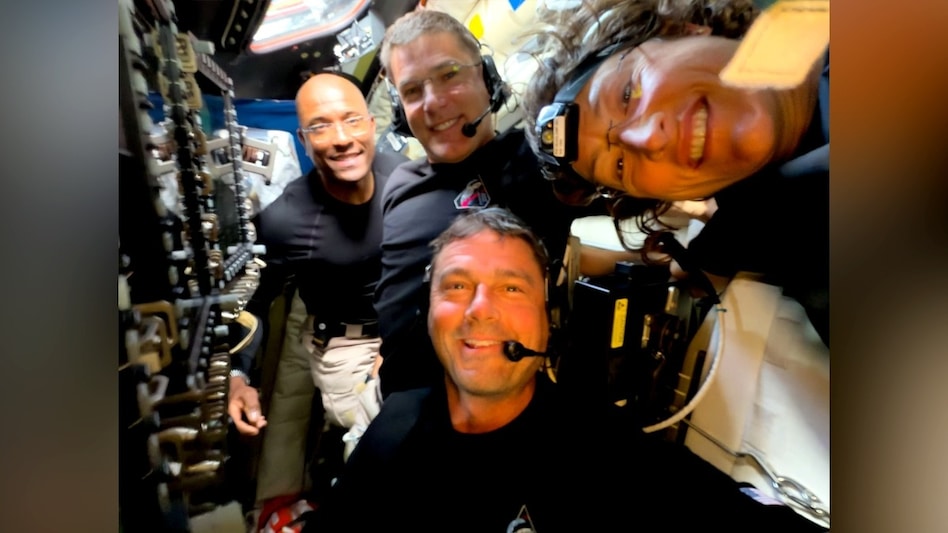
 Artemis II's return to Earth: a step-by-step look at the final journey
After completing a historic crewed flyby of the Moon, NASA's Artemis II mission is now focused on one of the most critical phases of deep space travel: safely returning astronauts to Earth. The journey back is not just a straight path home, but a carefully calculated sequence of manoeuvres, system checks and high-speed reentry operations that will test the Orion spacecraft under extreme conditions.
Leaving the Moon's influence

 Nvidia shares get 60% target cut! What should Indian stock investors know
 Noel Tata steps down as Tata Investment Chairman after 16 years; Bahram Vakil to take over
 Will October inflation breach 6%? What it means for interest rates, EMIs and GDP growth
 India overhauls visa rules: Tourist Visa renamed, 70% fewer form fields, new categories for foreigners
 'RBI may struggle to meet 4% inflation target': Economist flags fastest money, credit growth since 2012-13
 India's Jobless Rate Falls to 5.1%, But Why Is Urban Youth Unemployment Rising to 18.9%?
 Budget 2027: Industry Seeks LTCG Tax Abolition, STCG Cut To 10%, Lower STT Rates
 LIVE Daily Calls: Ask Your STOCK MARKET TODAY QUERIES | Market Update LIVE | Share Market News Today
 U.P. SIR Row: Yogi’s 1.27 Crore Hindu Voter Claim Gives Opposition Fresh Ammunition
 Big Challenge For Vijay Govt: 11 Diwali Murders Put Tamil Nadu Law & Order In Focus

 Cochin Shipyard shares tumble 7%: Weak Q2 earnings overshadow Rs 500 crore MoD order
 Sensex jumps 773 points, Nifty tops 25,250; profit booking trims gainsNvidia shares get 60% target cut! What should Indian stock investors know
 Mutual fund SIP inflows slip marginally to Rs 32,160 crore in October; equity inflows fall 14%
 TVS Motor expands global portfolio with Callisto 110 launch in Istanbul
 'Namjooning' at Stanford: How BTS’ RM inspired a course on well-being and mental healthNoel Tata steps down as Tata Investment Chairman after 16 years; Bahram Vakil to take over
 Former VP Jagdeep Dhankhar collapses during morning walk, admitted to AIIMSIndia overhauls visa rules: Tourist Visa renamed, 70% fewer form fields, new categories for foreigners
 'I also love Gujarati food': Sonia Gandhi's 'Belonging' reveals her favourite Indian dishes