


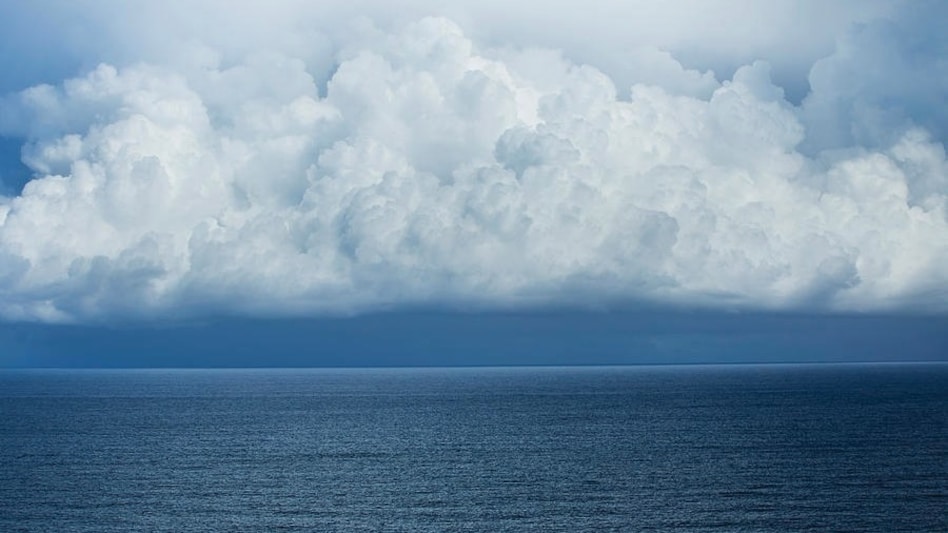
 El Niño is the warm phase of the naturally occurring El Niño-Southern Oscillation (ENSO), a climate pattern that periodically reshapes weather worldwide.
 What if the next devastating El Niño could be weakened before it ever takes shape?
A team of scientists believes it may be possible — not by cooling the entire planet, but by making clouds over the Pacific Ocean slightly brighter.

 Five-day banking week: Panel to discuss proposal today; RBI, finance ministry to take final call
 Apple layoffs: Over 5,000 AppleCare jobs could have been replaced by AI, report says
 India IPO market: $9 billion raised in Sept qtr, over 200 companies in pipeline; Jio, Avaada next
 BT Explainer | What is ‘super intelligence’? Is it different from artificial intelligence?
  BT BIG STORY: Why your MBA fees keep getting more expensive
 Dalal Street Under Pressure: Crude, Yields And Heavy Supply Weigh | Nifty - Sensex
 Vijay Govt Faces DMK Heat: Kanimozhi Invokes Dhanush Film Over Jobs, Welfare, Law & Order
 Jitendra Sriram Reveals New Stock Buys: Shiprocket, Pharma & Insurance | Baroda BNP Paribas MF
 Trump Meets AI Leaders At White House, Says U.S. Will Maintain Its AI Lead
 U.P. Flood Fury: Kushinagar Submerged As Narayani River Breaches Embankment | Rescue Ops Intensify
 Solar Industries shares gain 3% as company issues update on expansion
  Rs 20,19,580 crore DII inflows! 38 months of net stock buying; what's next?
 PB Fintech shares hit fresh 52-week low as stock dwindles 44% in five sessions
 IPOs in pipeline: Inox Clean Energy, Royal Chain, Technopaints among companies filing DRHP with SEBIIndia IPO market: $9 billion raised in Sept qtr, over 200 companies in pipeline; Jio, Avaada nextDalal Street Under Pressure: Crude, Yields And Heavy Supply Weigh | Nifty - SensexVijay Govt Faces DMK Heat: Kanimozhi Invokes Dhanush Film Over Jobs, Welfare, Law & OrderJitendra Sriram Reveals New Stock Buys: Shiprocket, Pharma & Insurance | Baroda BNP Paribas MFTrump Meets AI Leaders At White House, Says U.S. Will Maintain Its AI LeadU.P. Flood Fury: Kushinagar Submerged As Narayani River Breaches Embankment | Rescue Ops Intensify












