


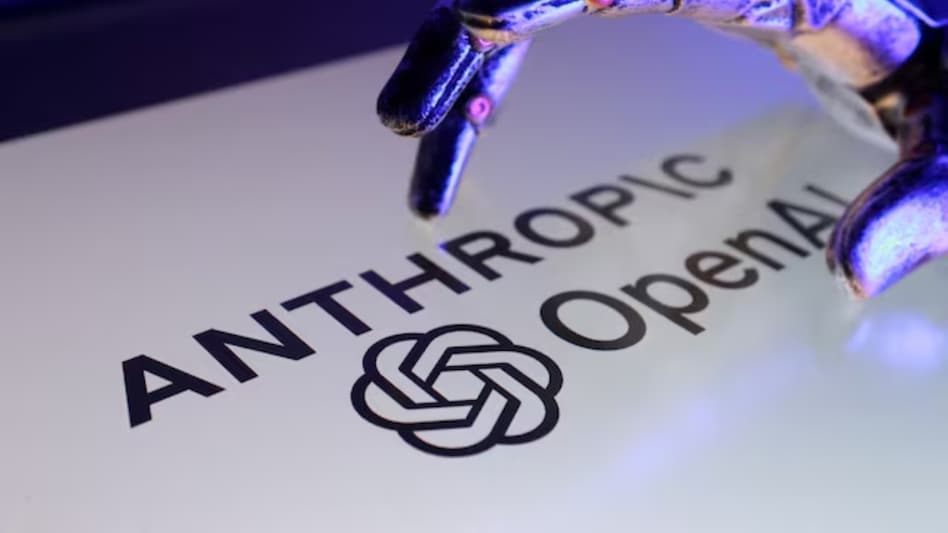
 . The technique is being called “Private Safety Processing,” which is currently being tested among early customers.
OpenAI announced to test a new zero-retention security technique, allowing businesses to use its most advanced AI models without having to share any customers’ data. The technique is being called “Private Safety Processing,” which is currently being tested among early customers, and it could be useful for businesses handling sensitive information.
On the other hand, Anthropic is taking a completely opposite road with a 30-day data-retention policy. During this period, businesses using its Fable 5 and Mythos 5 models will have to share data, which Anthropic says is necessary for security.

 Will RBI raise interest rates in October? Here’s what experts have to say
 Bitter Friday for Nestlé: Russia seizes assets as Moscow targets Western firms over Ukraine support
 West Asia impact: Saudi Aramco halts European crude allocations after East-West pipeline attack
 Tata Electronics partners with Japanese, Malaysian firms to boost semiconductor manufacturing in India
 From selling gold to spending ₹3.5 lakh: iPhone 18 Pro fever hits India as fans queue up on sale day
 “Unacceptable And Unprofessional”: MEA Rejects Pakistan’s Claims Over INS Kolkata Collision
  Commodity Trading For Beginners: How MCX & NCDEX Work | Trading Basics | Money Today
 US Fed Rate Hikes A Headwind For Foreign Flows? | Jibi Jacob | Jefferies
 ₹25 Billion FII Outflow: What Could Bring Foreign Investors Back? | Jefferies' Jibi Jacob
 India’s Private CapEx Picks Up: Christopher Wood On The Market Outlook
 Jindal Supreme, SS Retail, Hero Motors IPOs subscribed up to 181 times on final day; details here
 Sensex, Nifty post sixth weekly loss; TCS, Titan among top laggards, slip up to 4%
 How AI collapse could benefit Indian equity market; Jefferies' Christopher Wood explains
  Banks are no more secular growth story, prefer NBFCs: Chris Wood
 Jefferies' Christopher Wood sees gold at $10,000 'sooner or later'; likes India's small, midcaps
 Panic button: California governor issue order for mandatory kill switch on advanced rogue AIWest Asia impact: Saudi Aramco halts European crude allocations after East-West pipeline attack
 Air India's incoming CEO weighs merging budget arm AI Express to rein in swelling costs: Report
 Darkness at 9 pm: Pakistan shuts markets, slashes allocations amid severe fuel & gas crisisTata Electronics partners with Japanese, Malaysian firms to boost semiconductor manufacturing in India












