


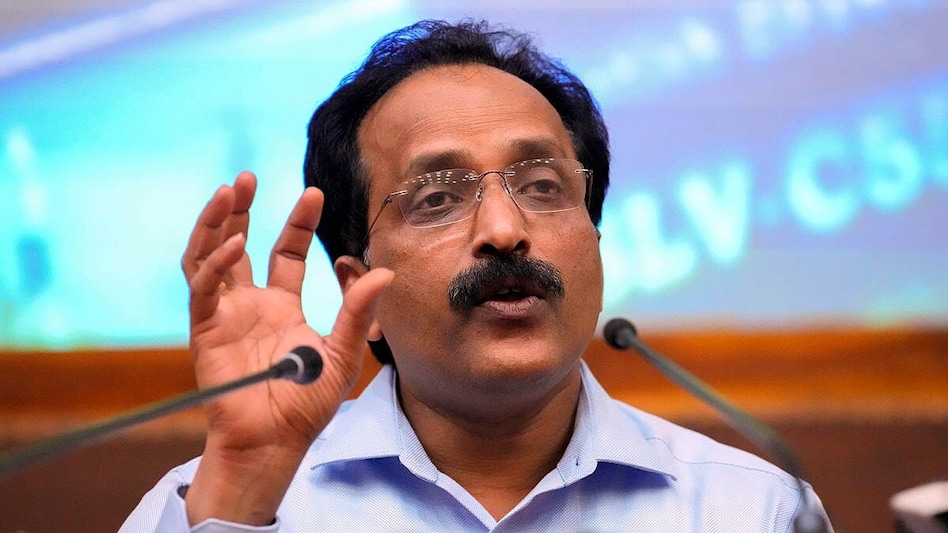
 Former ISRO chief S Somanath
 Former Indian Space Research Organisation chairman S Somanath has joined Chennai-based space startup Agnikul Cosmos as an observer on its board as the company prepares for its most ambitious rocket mission so far.
The startup’s Mission 02 will attempt to recover the first stage of its Agnibaan rocket after launch while also testing whether the rocket’s upper stage can remain in orbit and operate as a functional platform after deploying a satellite.

 Will RBI hike repo rate? MPC begins 3-day meet as surging crude oil, inflation test policy limits
 HDFC Bank shares rise, m-cap swells Rs 12,027 crore as Anup Bagchi named MD & CEO
 Bajaj Finance stock top Sensex, Nifty gainer today: Two factors behind the rally
  Beyond tax slabs: FM Sitharaman signals upcoming GST Council push for process reforms
 GIFT Nifty down 102 points; HDFC Bank, TCS, YES Bank, Hindalco, RVNL, DLF among top stocks in focus
 Gold Vs Silver: Which Should Investors Buy? Ajay Kedia Shares His 70:30 split Strategy
 Can You Sell Bonds Before Maturity? Liquidity, Exit & Penalties Explained
 Bonds Vs FDs: Are Bonds A Better Alternative For Higher Returns? Risks Explained
 Should You Buy Gold Now? Festive and Wedding Season Strategy Explained
 Direct Vs Regular Mutual Funds: Why the Right Advisor May Matter More Than 1% Cost
 ESDS Software shares hit 5% lower circuit for sixth straight session; still up 217% from IPO price
 Siemens Energy, BDL, ISGEC among top stocks to buy: Check price targets, upside gains & more
 Nykaa stock gains 6% post Q2 update, Morgan Stanley shares target price
 Nykaa shares: Morgan Stanley expects strong Q2 show; stock jumps 6%
 Krishna Defence shares soar 20% as picks-and-shovels play gets 72% upside target
 Student protests: Up to 500 schools face closures across France as conditions escalate
  Flipkart Big Billion Days: MacBook Air M5, iPhone 17 and iPad Air M4 get festive price tagsESDS Software shares hit 5% lower circuit for sixth straight session; still up 217% from IPO priceSiemens Energy, BDL, ISGEC among top stocks to buy: Check price targets, upside gains & moreNykaa stock gains 6% post Q2 update, Morgan Stanley shares target price












