


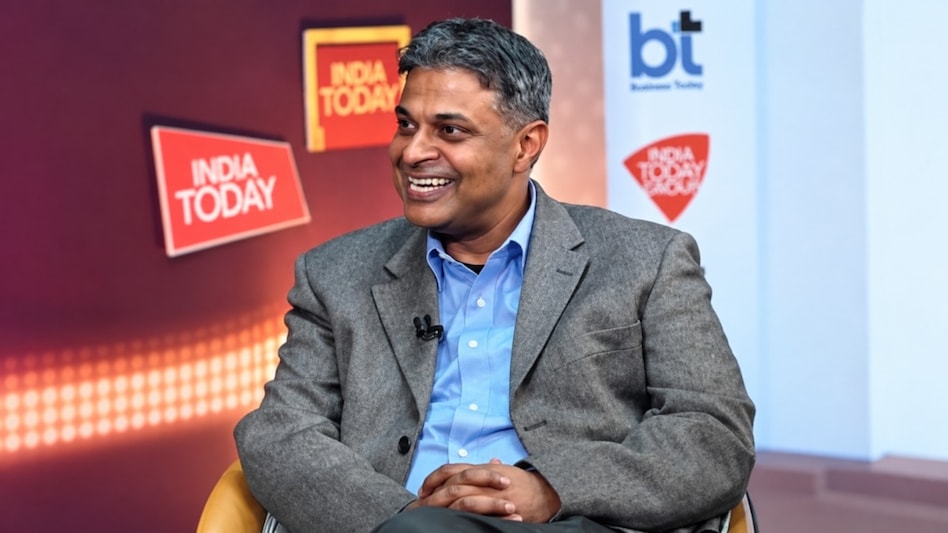
 Sarvam co-founder Vivek Raghavan urges students to take charge of India's AI future.
India must build its own artificial intelligence (AI) foundations rather than depend on foreign technologies, Sarvam co-founder Dr Vivek Raghavan told students during his speech in Gwalior. Warning that dependence on foreign AI foundations could turn India into a “digital colony”, he urged young people to take responsibility for shaping the country's AI future instead of waiting for permission.
“You are not the future of this country. You are its present,” Raghavan said, emphasising the role of young people in determining India's technological future.

 BT BIG STORY | Private-label divide: Why Blinkit and Instamart are placing opposite bets
 Jio Platforms IPO allotment today: How to check application status; chances of getting shares & GMP
 Jio Platforms IPO: Issue price fixed at Rs 1,119 per share; allotment, listing dates and GMP
 Elon Musk announces $40 billion SpaceX debt raise to fund massive AI chip purchases
 ‘Don’t want anybody from there’: Trump calls Norway a ‘s**t house country’ after Nobel snub
 New Delhi Railway Station Food Safety Exposed: Dirty Kitchens, Cockroaches And Hygiene Questions
 NDMC Proposes 30% Property Tax Rebate: Who Benefits And Income Tax Impact
 Joint Home Loan Tax Benefits Explained: Gauri Chaddha On Ownership, Deductions And Rental Income
 What Are ETFs And BeES? How They Work, Key Differences And Benefits For Stock Market Investors
 Trump Says Europe Is In ‘Big Trouble’, Blames Immigration For France’s Unrest And Violence

 Gold price selloff: Jefferies calls battered MCX shares hedge against crude volatility; here's why
 JSW Steel stock: Brokerages maintain bullish outlook as Q2 net profit rises three times
 EAAA India Alternatives IPO opens today: Should you apply or avoid? Check reviews, ratings & GMPJio Platforms IPO allotment today: How to check application status; chances of getting shares & GMP
 Sterlite Tech shares: 95% upside? CLSA, Nomura, 2 others set targets on multibagger stock
 Chandrasekaran, Noel Tata likely to meet in November amid Tata boardroom tussleGold price selloff: Jefferies calls battered MCX shares hedge against crude volatility; here's why
 Gold, silver prices on October 26: Check latest rates in Delhi, Mumbai, Kolkata, other cities
 Ramayana advance booking: Ranbir Kapoor-starrer crosses $2 million worldwide in advance salesJSW Steel stock: Brokerages maintain bullish outlook as Q2 net profit rises three times













