


 Hyderabad, Bengaluru, and Pune are emerging as key secondary hubs, backed by strong IT ecosystems, land availability, and competitive operating costs.
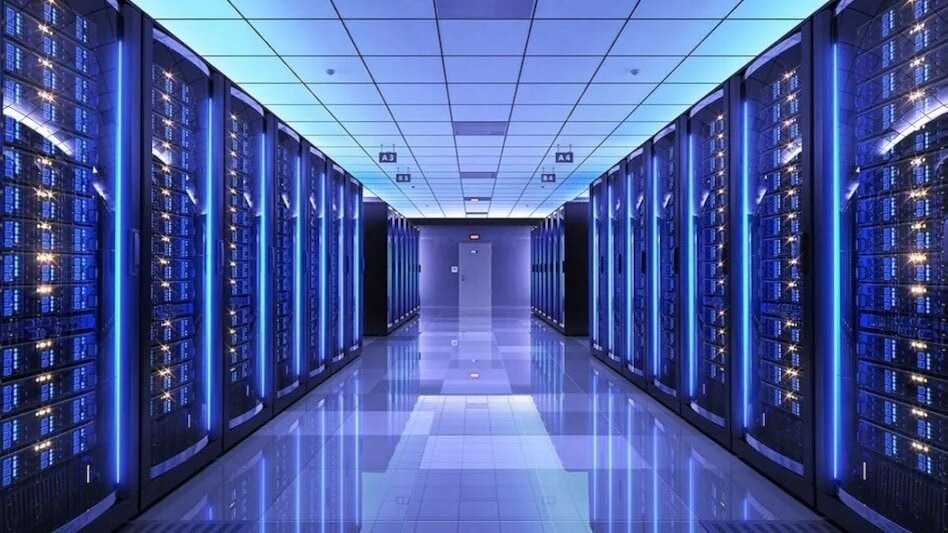
India is rapidly emerging as a strategic data centre hub within the Asia-Pacific region, driven by a fast-expanding digital economy, a growing internet user base, and rising investments from hyperscale operators.
According to Vestian’s latest report, the country’s installed data centre capacity is projected to reach 1.7-2.0 GW by the end of 2026, backed by nearly $30 billion in investments. Vestian is a Chicago-based, occupier-focused workplace solutions firm with expertise across commercial, residential, industrial, retail, and hospitality sectors.

 JSW Infrastructure shares hit record high; stock up over 50% in six months
 GRSE shares rise 4% as board approves Rs 2,896 crore for shipyard expansion
 OpenAI warns of autonomous AI risks, calls for global rules before AI starts improving itself
 Most expensive residential unit: All about Dinesh Thakkar who bought ₹711 crore Juhu tower
 Meesho shares: Fresh price target signals 24% upside as UBS raises growth estimates
  What’s Hot: Stocks, Gold & Big Money Moves | Daily Markets Show | September 22 | Business Today
 IT Stocks: Is The Worst Over? Kshitiz Mahajan Shares His Market View
 Varmora Granito IPO: Management On ₹245 Crore Debt Reduction & Growth Plans
 Tier-2 Cities Drive India’s Next Realty Boom | ₹1.7 Tn Opportunity Explained
 Delhi SIR: 47.5 Lakh Names Off Draft Roll, 33 Lakh Voters Flagged For Discrepancies
 Engineers India shares: EIL jumps 6% on Kenya greenfield refinery plant
 Optiemus Infracom shares hit 20% upper circuit limit on Nothing JV; here's why
 Protean eGov shares extend gains; here's what analysts say
 ITC Hotels shares: Jefferies sees 32% upside; stock down 19% in 2026 so far GRSE shares rise 4% as board approves Rs 2,896 crore for shipyard expansionWhat’s Hot: Stocks, Gold & Big Money Moves | Daily Markets Show | September 22 | Business Today
 Abakkus Mutual Fund gets SEBI nod for SIF platform ‘Fokkus’; plans equity, debt and hybrid strategies
 Nvidia CEO Jensen Huang says there is a “0% chance AI will end the world by 2030”Engineers India shares: EIL jumps 6% on Kenya greenfield refinery plantIT Stocks: Is The Worst Over? Kshitiz Mahajan Shares His Market View












