


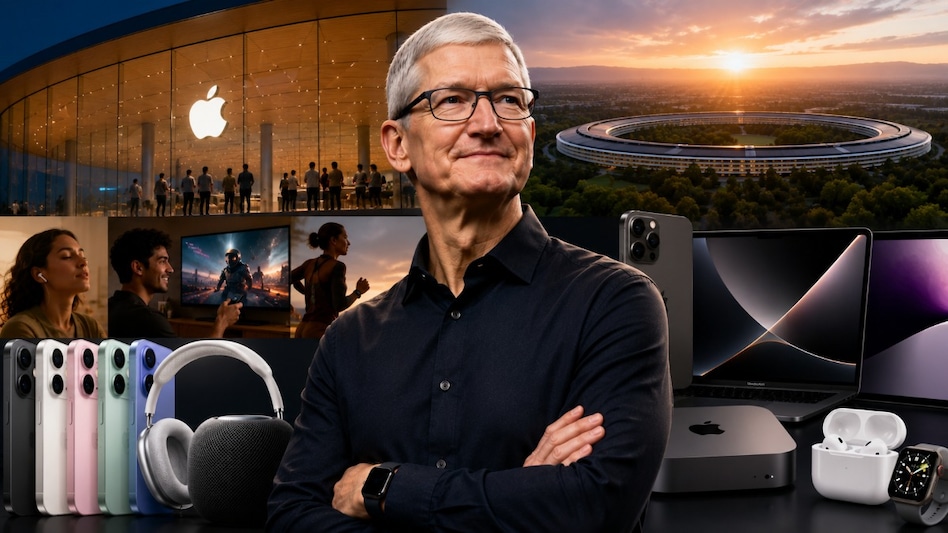
 Tim Cook transformed Apple with new products, services and a broader global strategy.
In August 2011, Tim Cook stepped into one of the tech industry's most high-profile roles when he became Apple's CEO. He took over from Steve Jobs, who had built Apple into one of the world's most admired technology companies and transformed consumer technology through his leadership.
Must Read: Why Steve Jobs picked Tim Cook as CEO: Story behind Apple's biggest succession bet

 Historic! Home loans in India are now cheaper than the US -- What NRIs must know
 India-US trade deal '90-per cent-plus there,' says senior US official ahead of key visits
 Trump rejects Iran’s 7-day truce proposal, signals post-midterm strike timeline: Report
 RBI changes bulk FD rules from October 1: What depositors and banks need to know
 BlackRock sees AI agents creating a new economy for stablecoins, blockchain and compute
 How Is Alexa+ Different? Will It have Ads Even If You Pay? Exclusive Chat
 Demand Robust Across Segments | Production To Ramp Up, Exports To Expand: Vivek Srivatsa
 GST Council To Meet On October 7: Invoice Matching, ITC & UPI MDR Tax In Focus
 Tata Chip Plans Stay On Track Despite Boardroom Rift; Dholera Fab Investment Unaffected
 GLP-1 Drugs Face Eye Safety Concerns: Will Fresh Scrutiny Impact India's Growing Market?
 IPO rush: Four IPOs conclude today; check subscription status, other details of issues still open
 Meesho shares slip 7% as Nomura assigns 'reduce' call; here's what the brokerage says
  Sensex, Nifty extend losing streak to seventh week, longest since 2020: What's next?
 Suzlon in bear grip: Oversold signals emerge near 52-week low for the stock
  EIL shares jump 7% to hit record high; stock up nearly 62% in six months: What's driving the rise?
 Will Prashant Kishor's Jan Suraaj Party enter Delhi after Bankipur bypoll win? Here's what we know
 Gold, silver prices on September 26: Check latest rates in Delhi, Mumbai, Kolkata, other cities
 LPG, CNG, PNG prices today (September 26): Check latest rates in Delhi, Mumbai, Kolkata, other citiesIndia-US trade deal '90-per cent-plus there,' says senior US official ahead of key visits
 Petrol, diesel prices today (September 26): Check latest rates in Delhi, Mumbai, Chennai, Kolkata & more












