

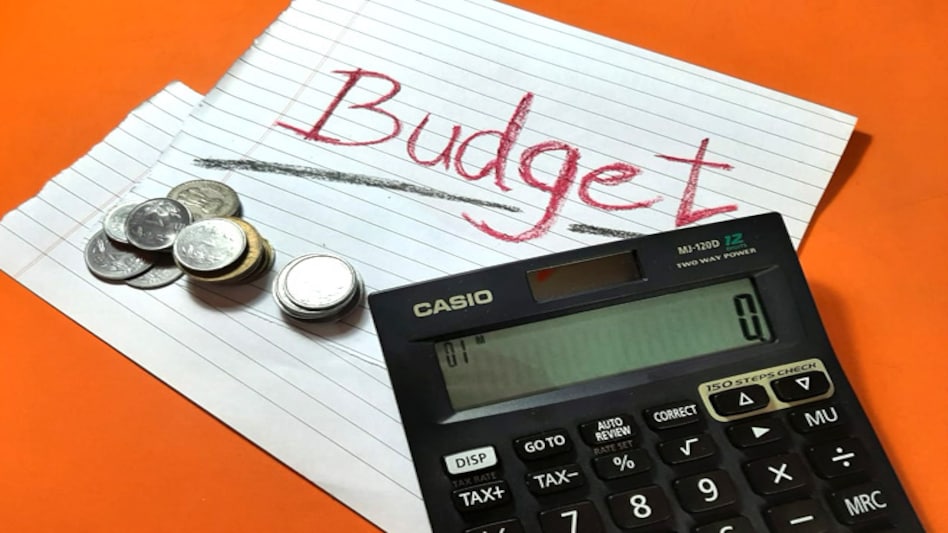
 Union Budget 2021-22: Various types of budget
Union Finance Minister Nirmala Sitharaman has started presenting the Budget today for the fiscal 2021-22. Expectations of stimulus packages and tax cuts are higher this year in order to revive the economy from coronavirus-induced downward spiral. Industries such as hospitality, aviation, real estate and automobile have been hit hard due to the ongoing coronavirus crisis and are expecting some sort of a relief.
Some finance officials have also suggested the Centre to focus on export promotion, which is pivotal to ensure a boost in domestic manufacturing, during the drafting of the Union Budget 2021. While the officials concerned work at fulfilling these expectations - did you know there are three different types of budgets?
 'Majority among two is two': Tata Trusts says Chandrasekaran reappointment failed AoA condition, has no legal effect
 ICAI plans further reforms to scale up homegrown accounting firms
 'Modi admin has done a phenomenal job': Blackstone's Jon Gray on what changed in India
 West Asia tensions: Iran hands 7 terms to US via Qatar, warns of all-out war if Trump rejects deal
 Tata Trusts hires Abhishek Manu Singhvi as advocate. His first reaction: 'Having worked with Ratan Tata...'
 Gold Price Target 2026: Expert Sees MCX Gold At ₹1.8 Lakh By Year-End Amid Strong Demand
 Health Insurance: Why Pre-Existing Diseases And Waiting Periods Matter For Buyers
 Crude Oil Above $100: How High Energy Prices And Rupee Weakness Impact Gold Prices In India
 CEA On India’s Manufacturing Rise, Atmanirbhar Bharat And Modi’s Economic Policy
 Health Insurance Buying Guide: 7 Things First-Time Buyers Must Check Before Choosing A Policy
 SpaceX weight in Nasdaq 100 to jump to 2.82% following quarterly index rebalance: Report
 Tata Motors or Ashok Leyland? Analyst reveals his preferred auto stock for near-term gains
 Maharashtra Scooters, Dixon Tech, Bharat Dynamics, Jai Corp among stocks to turn ex-dividend on Monday
 Jindal Supreme, SS Retail, Hero Motors IPOs subscribed up to 181 times on final day; details here
 Sensex, Nifty post sixth weekly loss; TCS, Titan among top laggards, slip up to 4%'Majority among two is two': Tata Trusts says Chandrasekaran reappointment failed AoA condition, has no legal effectICAI plans further reforms to scale up homegrown accounting firms
 3-day bank strike from September 28: SBI asks customers to complete key transactions early'Modi admin has done a phenomenal job': Blackstone's Jon Gray on what changed in India
 'Even with flight, it's cheaper': Indians fly to Dubai just to buy iPhone 18 Pro












