


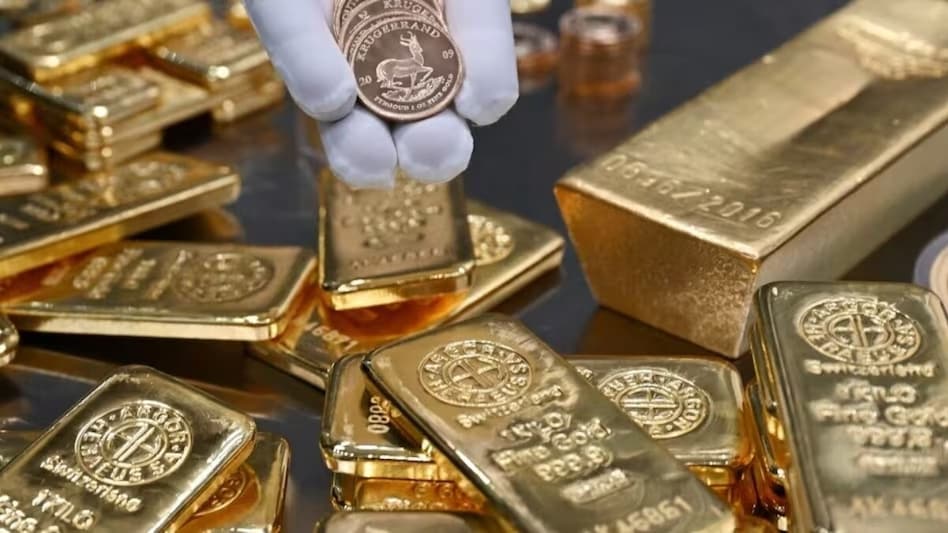
 According to World Gold Council data, Poland was the largest official gold buyer in 2025, adding 102 tonnes, followed by Kazakhstan (57 tonnes), Azerbaijan (53.4 tonnes), Brazil (42.8 tonnes) and China (26.8 tonnes).
Gold has become an increasingly important reserve asset for central banks worldwide, with many countries adding to their bullion holdings amid geopolitical tensions, inflation concerns and economic uncertainty. Yet, despite the global buying spree, two advanced economies—Canada and Norway—stand out for taking a very different approach. Both countries officially hold zero gold in their central bank reserves.
Their strategy contrasts with a broader trend highlighted by the World Gold Council's (WGC) 2026 Central Bank Gold Reserves Survey, which found that 89% of reserve managers expect global central bank gold reserves to continue growing over the next 12 months. Additionally, 45% of respondents said their own institutions plan to increase gold holdings, with many identifying gold's ability to protect against geopolitical risks as a key reason for buying more of the precious metal.

 UPI MDR on select person-to-merchant transactions to be implemented after Diwali
 'Chips are the future': Tata Sons' N. Chandrasekaran flags demand, management risks in India’s semiconductor push
 'We grow with the world, not at anyone's cost': PM Modi on India's economic growth
 Nandan Nilekani bets on India for scaling AI, says IT service demand will continue to grow
 Nifty50 to hit 26,000-26,500 in next 4-5 months: Monarch Capital
  Bizarre Paris Attack: Hackers Heat Supermarket Fridges To 80°C! Cyberattack Destroys Food
 HD Fire IPO Opens Today | Should You Subscribe? Price Band, GMP Analysis & Broker Views
 Air Chief Marshal AP Singh Flies His Last Fighter Sortie In Tejas Ahead Of Retirement
 Kochi Crash: VIP Brat’s ‘Father Will Handle It’ Remark Sparks Outrage After 3 Students Die
 CEC Row: India Today’s Marya Shakil Reports From Ground As CJI Rejects Opposition Meet
 Paytm, Pine Labs, One Mobikwik shares rebound after up to 6% fall; UPI MDR rollout post Diwali
 Shyam Metalics secures mining rights for Phutamura coal block; check stock reaction
 Tata stock: Multibagger in red since two years, trend reversal on cards?
 Nifty vs FD: What ₹1 crore invested at past market bottoms would be worth today
 Jio Platforms IPO: Why Religare sees re-rating in Reliance Industries; check target, upside
 Global smartphone shipments hit a 14-year low in Q3 amid a memory shortageBizarre Paris Attack: Hackers Heat Supermarket Fridges To 80°C! Cyberattack Destroys FoodHD Fire IPO Opens Today | Should You Subscribe? Price Band, GMP Analysis & Broker ViewsAir Chief Marshal AP Singh Flies His Last Fighter Sortie In Tejas Ahead Of RetirementKochi Crash: VIP Brat’s ‘Father Will Handle It’ Remark Sparks Outrage After 3 Students Die












