


 Ahead of the talks, Tehran has reiterated its long-standing stance on its right to enrich uranium — a core sticking point in previous negotiations.
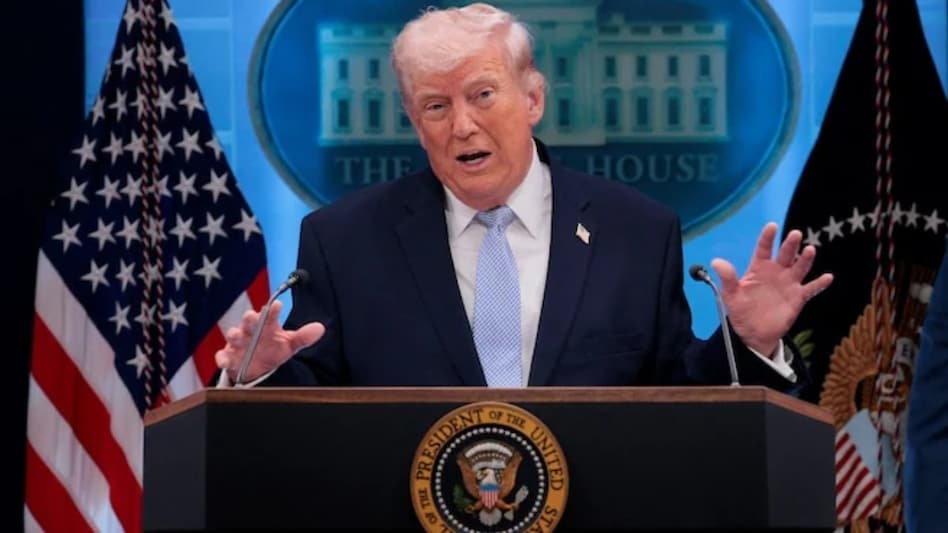
 West Asia war updates: US President Donald Trump has sharply escalated rhetoric ahead of crucial negotiations with Iran, posting a cryptic message — “WORLD’S MOST POWERFUL RESET” — just as Vice President JD Vance departed for high-stakes talks in Islamabad aimed at ending a six-week conflict.
The timing of Trump’s statement has drawn attention in diplomatic circles. Washington is attempting to convert a fragile two-week ceasefire into a broader breakthrough, but signs of strain are already visible, raising doubts about whether talks can hold.

 Bangladesh turns to India for wheat as Black Sea disruption pushes up prices
 Morgan Stanley accidentally leaks 100-plus deal pipeline, including India IPOs: Report
 Sebi may ease margin requirements for longer-tenure F&O products
 India boosts LPG production as festive demand rises and Gulf supplies remain uncertain
 No petrol, diesel price hike proposal yet; govt may support OMCs if crude stays high
 India Growth Outlook Gets Major Boost: S&P, Fitch, ADB Raise FY27 Forecasts; OECD Upgrades 2026 View
 A-One Steels IPO Explained: Key Details, Growth Strategy & Future Outlook | Management Live
 Market Commentary: Nifty Outlook, Stocks & Market Strategy | Deven Choksey
 Ignore Large Caps? Why Investors Are Chasing High P/E Mid Cap Stocks Now
 30 IPOs In A Month: Deven Choksey On IPO Flipping And Secondary Market Liquidity
 Sebi may ease margin requirements for longer-tenure F&O products
 RBI to conduct OMO sale of Rs 25,000 crore in government bonds on September 28
 NSE shares: Deven Choksey lists reasons for long-term investment; calls stock 'shock absorber' in volatile markets
 Crude oil prices fall for sixth session; PL Capital explains what could happen next
 Mazagon Dock, GRSE shares: Does short-term bounce signal trend reversal? Analyst decodes
 From Gulf to US: How the Iran war is redrawing India’s LPG import map
 Is ₹1 crore enough for retirement at 45? Check corpus, inflation, healthcare and longevity
 Medical tourism in focus: Indians spend up to ₹41,649 on health-related domestic trips
 Graphite, not lithium, may be the battery industry's biggest choke point: Report
 Bengaluru CEO says no male hires from UP, Bihar, Rajasthan, MP; cites alleged employee misconduct












