


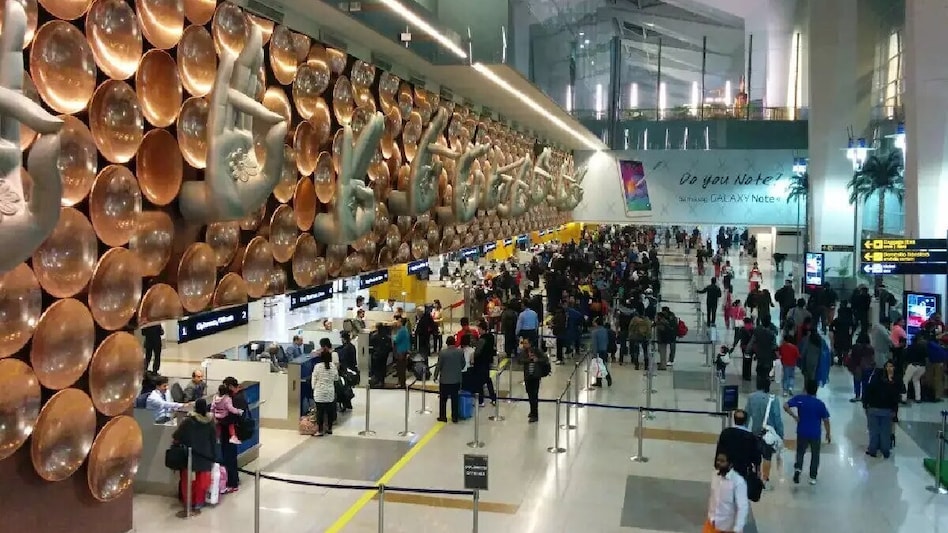
 With the Pier C transition, the airport is expected to have sufficient international capacity for the next 8–10 years, supporting India’s ambitions to emerge as a global aviation hub.
 Delhi’s Indira Gandhi International Airport is set to significantly expand its international operations, with Pier C at Terminal 3 scheduled to begin handling overseas flights from the first week of May. The move marks a key step in strengthening the airport’s capacity and positioning it as a major global aviation hub.
Operated by Delhi International Airport Limited (DIAL), a GMR Aero-led consortium, the airport will see its international passenger handling capacity increase by nearly 50% following the transition. This translates into an additional 10 million passengers annually, taking Terminal 3’s total international capacity to an estimated 30–32 million passengers per annum.

 Setback for Indian professionals? US suspends Cognizant green card filings in H-1B visa fraud probe
 Adani Enterprises shares: AEL to sell 5.54% stake in Adani Airports for Rs 9,825 crore
 Coforge shares in focus as Chairman OP Bhatt resigns after internal audit review
 NSE IPO price band: SBI, Bank of Baroda, GIC Re, New India Assurance shares in focus after fresh report; key details
 BRICS Summit 2026: Who will be in New Delhi, what’s on the agenda, & why India is in focus
 Index Funds Vs ETFs: Which Is Better For Your Money? A Beginner’s Guide To Passive Investing
 “Files Used To Get Stuck”: PM Modi Takes Dig At Delays, Hails 2,800 Km Freight Corridor
 Indegene’s Growth Story: Global Expansion, AI & The Future Of Healthcare Tech
 Ambareesh Baliga Turns Bullish On Specialty Chemicals, Bets On Archean Chemicals & Vinati Organics
 Gold Loan Rise Faces Risk? Ambareesh Baliga Flags Correction Threat For NBFCs
 Divis Labs, Midhani, Data Patterns: Stocks to trade — Check key levels, target prices & stop loss
 Coforge shares tank 7% as Chairman resigns after internal audit review; key details
  Raymond stock in focus as board clears raising of funds via preferential allotmentNSE IPO price band: SBI, Bank of Baroda, GIC Re, New India Assurance shares in focus after fresh report; key detailsAdani Enterprises shares: AEL to sell 5.54% stake in Adani Airports for Rs 9,825 croreDivis Labs, Midhani, Data Patterns: Stocks to trade — Check key levels, target prices & stop lossCoforge shares tank 7% as Chairman resigns after internal audit review; key details Raymond stock in focus as board clears raising of funds via preferential allotment
 'Mirzapur The Movie' box office collection day 5: Pankaj Tripathi, Ali Fazal-starrer gangster drama eyes ₹200 cr worldwide
 Tata Trusts gets time till Oct 15 to respond to objections raised by Mehli Mistry












