


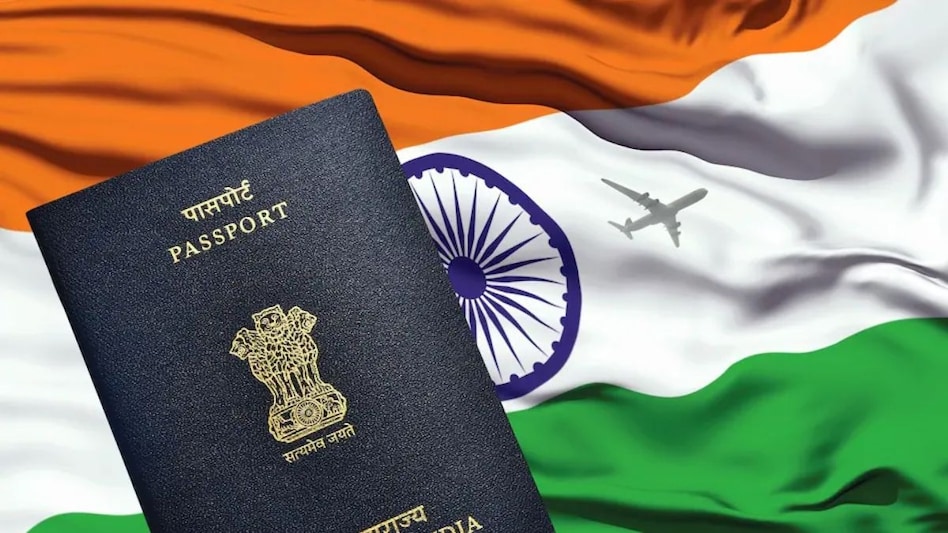
 citizenship is often established through a combination of documents depending on how a person acquired it and when they were born.
The Ministry of External Affairs' (MEA) clarification that a passport is a travel document and not proof of citizenship has reignited a long-standing debate: if even a passport is not considered conclusive proof, what documents establish that a person is an Indian citizen?
The clarification came on the occasion of Passport Seva Divas, with the MEA stressing that while passports are issued only to Indian citizens, their primary purpose is to facilitate international travel and verify nationality abroad. The ministry said a passport, by itself, does not establish citizenship.

 Tata Sons listing: Tata Steel, TMPV, Tata Chemicals among stocks that could benefit; here's why
 NSE IPO: Key highlights and risk factors for Rs 22,569-crore share sale by brokerage
  Iran, UAE reach consensus in BRICS declaration; call for restraint in war, avoid further escalation
 Saudi pipeline shutdown threatens to wipe out 4% of global oil exports within days: Report
 ‘We're leading China on AI': Trump rejects calls to slow down AI as US races ahead of China
 Amit Shah Hails India’s Rise From Fragile Five To Top Five, Politics Of Performance Since 2014
 MEA Details BRICS Summit Outcomes as India Pushes Practical and People-Centric Cooperation
 Modi@25: Amit Shah Highlights 25 Years Of Leadership, Governance And 2047 Vision
 “Development And Environment Are Complementary”: PM Modi On Sustainability At BRICS
 Modi@25: Amit Shah Announces Seva Sankalp Campaign From Sept 17 To Mark Modi’s 25 Years Of Service
 NSE IPO: Nithin Kamath recalls how NSE supported Zerodha in its early yearsTata Sons listing: Tata Steel, TMPV, Tata Chemicals among stocks that could benefit; here's why
 KEC International wins new orders worth Rs 1,303 crore across T&D, cables businessesNSE IPO: Key highlights and risk factors for Rs 22,569-crore share sale by brokerage
  SoftBank shares tumble 13% as OpenAI, Anthropic raise AI safety alarm
 ‘No amount of US pressure should justify recklessness’: Sam Altman backs 'slower cost' of AI paceNSE IPO: Nithin Kamath recalls how NSE supported Zerodha in its early years
 Instagram’s viral ChatGPT photo trend: 5 prompts to turn your photos into 60s, 70s, 80s and 90s retro images
 ADB’s flagship career program opens: Age limit, eligibility, salary & how to apply for YPP 2026
 Drunk men chase, ram their car against woman biker in Gurugram; watch video












