


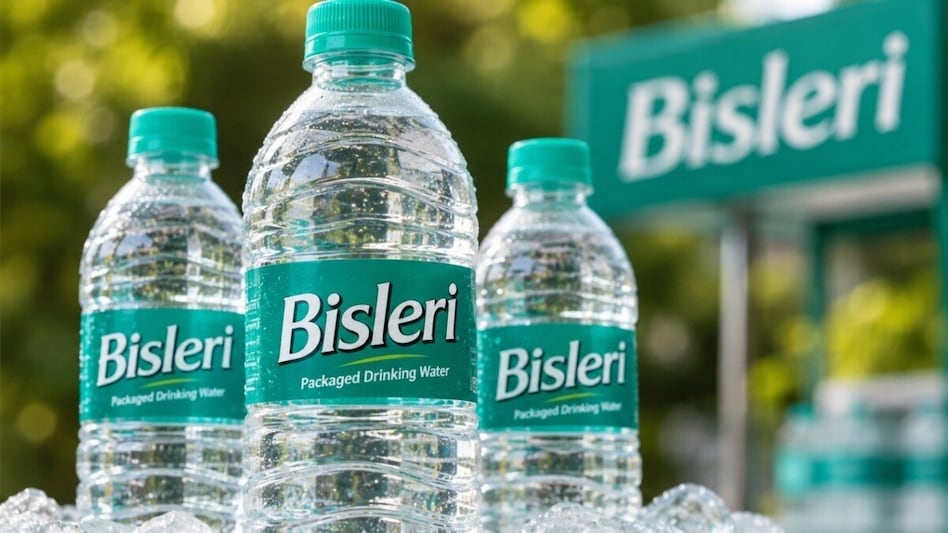
 Bisleri clarified that its Goa manufacturing facility had not received any direction to suspend operations and that samples from subsequent production had met all applicable FSSAI standards.
Amid concerns over packaged drinking water safety, Bisleri on Saturday said independent tests by two accredited laboratories found its West Bengal water sample compliant with quality standards. The company urged the Food Safety and Standards Authority of India (FSSAI) to examine why the findings differed from those of regulatory laboratories, PTI reported.
Bisleri International Pvt Ltd's statement came after FSSAI sanctioned prosecution against the company over a regulatory sample collected in West Bengal. The development follows an earlier case in Goa and comes as the regulator steps up surveillance, inspection and sampling of packaged drinking water and mineral water across the country.

 India Inc's earnings rebound: Are companies cutting costs or passing inflation on to consumers?
 More airlines, more choice? Adani seeks govt nod to invest in aviation, challenge Air India-IndiGo duopoly
 SEBI approves 8 IPO: Svatantra Microfin, Sterlite Electric, Nobel Hygiene, MP Steel & 4 others get nod
 Royal Enfield Himalayan 750 launched at ₹4.89 lakh; bookings to open on December 1
 'They have given what Stalin sought': In a shocker to Congress, DMK may support NDA for proposed delimitation Bill
 Dividend Income Tax Explained: How Much Tax Do Investors Pay On Dividend Stocks?
 SIP Vs STP Vs SWP: Which Mutual Fund Strategy Should Investors Choose And When?
 GSK's BLENREP Launch: What's Next For Its India Cancer Business?
 Nifty 2027 Outlook: Why Reliance, TCS & Banks Hold The Key | Sunny Agrawal
 Stay Away From QSR & Gold Loan Stocks? Sunny Agrawal Flags Key Market Traps | SBI Securities

 Is it time to pare exposure to IT stocks? What Shriram AMC's fund manager saysSEBI approves 8 IPO: Svatantra Microfin, Sterlite Electric, Nobel Hygiene, MP Steel & 4 others get nod
 FIIs help Nifty post its best November in 21 years. More upside ahead?
 BT Closing Bell: Sensex plunges 989 pts, Nifty ends at 25,607; what Friday's market fall reflects
 M&M, Eicher Motors, Hyundai: Brokerage shares top OEM picks; outlook and moreIs it time to pare exposure to IT stocks? What Shriram AMC's fund manager saysDividend Income Tax Explained: How Much Tax Do Investors Pay On Dividend Stocks?Royal Enfield Himalayan 750 launched at ₹4.89 lakh; bookings to open on December 1'They have given what Stalin sought': In a shocker to Congress, DMK may support NDA for proposed delimitation BillMore airlines, more choice? Adani seeks govt nod to invest in aviation, challenge Air India-IndiGo duopoly












