


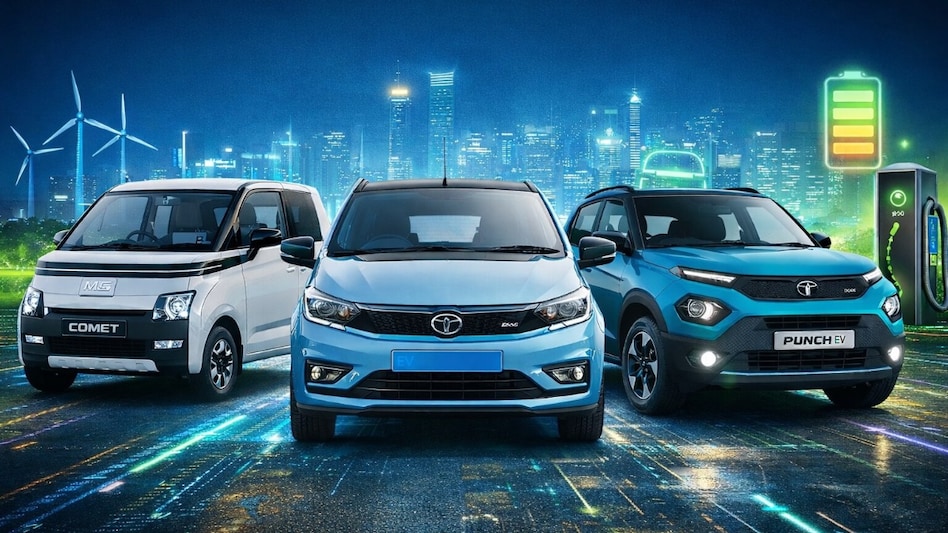
 The ₹8–15 lakh segment has become the “sweet spot” for Indian buyers, offering a balance of affordability, features, and road presence. (AI Generated Image)
India’s passenger vehicle (PV) market is undergoing a structural shift, with SUVs firmly dominating demand, while sedans continue to lose share amid changing consumer preferences. At the centre of this transition is the rapid rise of compact SUVs in the ₹8–15 lakh price bracket, now the most competitive and high-volume segment in the market. According to the Monthly Auto Sales Report – March 2026 by Asit C. Mehta Investment Intermediates, the evolving demand cycle is also unfolding amid rising geopolitical uncertainty in West Asia, which could influence fuel prices and supply chains.
Industry data and recent sales trends indicate that utility vehicles (UVs) are the primary growth drivers, with Tata Motors and Mahindra & Mahindra outperforming peers on the back of strong SUV portfolios. Models such as the Tata Nexon, Punch, Mahindra Scorpio, and XUV700 continue to see robust traction across both urban and rural markets, underlining the structural shift toward SUVs.

 Will RBI raise interest rates in October? Here’s what experts have to say
 Bitter Friday for Nestlé: Russia seizes assets as Moscow targets Western firms over Ukraine support
 West Asia impact: Saudi Aramco halts European crude allocations after East-West pipeline attack
 Tata Electronics partners with Japanese, Malaysian firms to boost semiconductor manufacturing in India
 From selling gold to spending ₹3.5 lakh: iPhone 18 Pro fever hits India as fans queue up on sale day
 “Unacceptable And Unprofessional”: MEA Rejects Pakistan’s Claims Over INS Kolkata Collision
  Commodity Trading For Beginners: How MCX & NCDEX Work | Trading Basics | Money Today
 US Fed Rate Hikes A Headwind For Foreign Flows? | Jibi Jacob | Jefferies
 ₹25 Billion FII Outflow: What Could Bring Foreign Investors Back? | Jefferies' Jibi Jacob
 India’s Private CapEx Picks Up: Christopher Wood On The Market Outlook
 Jindal Supreme, SS Retail, Hero Motors IPOs subscribed up to 181 times on final day; details here
 Sensex, Nifty post sixth weekly loss; TCS, Titan among top laggards, slip up to 4%
 How AI collapse could benefit Indian equity market; Jefferies' Christopher Wood explains
  Banks are no more secular growth story, prefer NBFCs: Chris Wood
 Jefferies' Christopher Wood sees gold at $10,000 'sooner or later'; likes India's small, midcaps
 Canada visa processing: Indians get faster visitor visas, Super Visa wait hits 70 days
 Countries with the highest take-home pay: Switzerland tops global ranking, Check full list here
 Fueling India’s tech surge: NaBFID lines up ₹3,000 crore loans for data hubs
 Panic button: California governor issue order for mandatory kill switch on advanced rogue AIWest Asia impact: Saudi Aramco halts European crude allocations after East-West pipeline attack












