


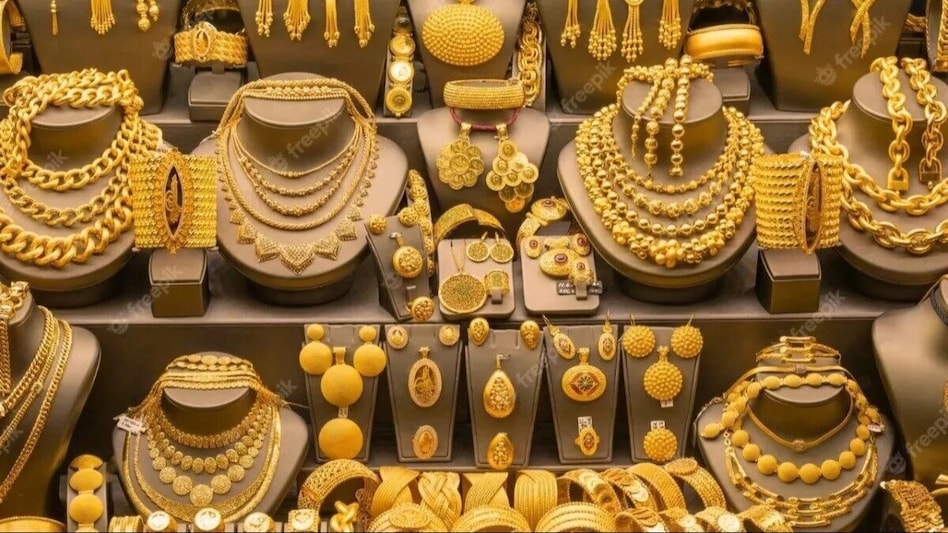
 UAE and Dubai play a crucial role in the international bullion market, serving both as a refining centre and an export point for gold destined for buyers in Asia.
Gold shipments remain stranded in Dubai following disruptions caused by ongoing conflict between the US, Israel and Iran, resulting in a partial closure of United Arab Emirates' airspace. While some bullion has been loaded onto departing flights since midweek, many consignments are still delayed, Bloomberg News reported. Dubai’s role as a key hub for refining and exporting bullion across Asia means these disruptions are reverberating throughout the global gold market. The extension of the Iran-related conflict into its seventh day is maintaining uncertainty and logistical challenges for exporters and buyers alike.
Gold on discount

 Jio Platforms IPO: Price band announced at Rs 1,065-1,119; set to become India's biggest public issue
 Jio Platforms files RHP for IPO of up to 27 crore shares; issue to open on October 21
 IDBI Bank stake sale is the largest FDI deal till date; Centre, LIC to continue to remain invested
 'My satellites have been hovering for 5 years, I'm ahead of Musk in the queue,' says Sunil Bharti Mittal
 Henley Passport Index 2026: Indian passport climbs to 84th rank, visa-free countries falls to 55
 IMC 2026: The Biggest Tech Innovations You Need To See!
 What Is A Specialized Investment Fund (SIF)? SIF Vs Mutual Funds Explained
 This Week In Cinema: Jailer 2, Ranabaali, Prahaar, Nayyi Navelli & Street Fighter Hit Theatres
 India Inflation Shock: WPI Hits 11.39%, CPI At 5.54% As Crude Oil Touches $107 A Barrel
 Cabinet Approves IDBI Bank Stake Sale to Fairfax: Is the Stock Still a Buy?
 LTCG tax rollback: What investors want from Budget 2027 and will the government deliver?Jio Platforms IPO: Price band announced at Rs 1,065-1,119; set to become India's biggest public issueJio Platforms files RHP for IPO of up to 27 crore shares; issue to open on October 21
 Tata Tech Q2 profit rises 4% to Rs 171 crore; revenue jumps 28%
 Hyundai Motor India to invest up to Rs 11,000 crore in Pune plant
  From 'Kashmir Saffron' to 'Mithila Makhana': 15 GI-tagged food ingredients for your festive kitchen
 Women at the family office table: Why participation does not equal investment power
 Financial Horoscope Today, October 15, 2026: Aquarius Should Focus on Budget, Know the Status of Other SignsLTCG tax rollback: What investors want from Budget 2027 and will the government deliver?
 221-foot Ravana in Delhi: ₹40 lakh, 7 tonnes of iron, 120 artisans behind giant effigy












