








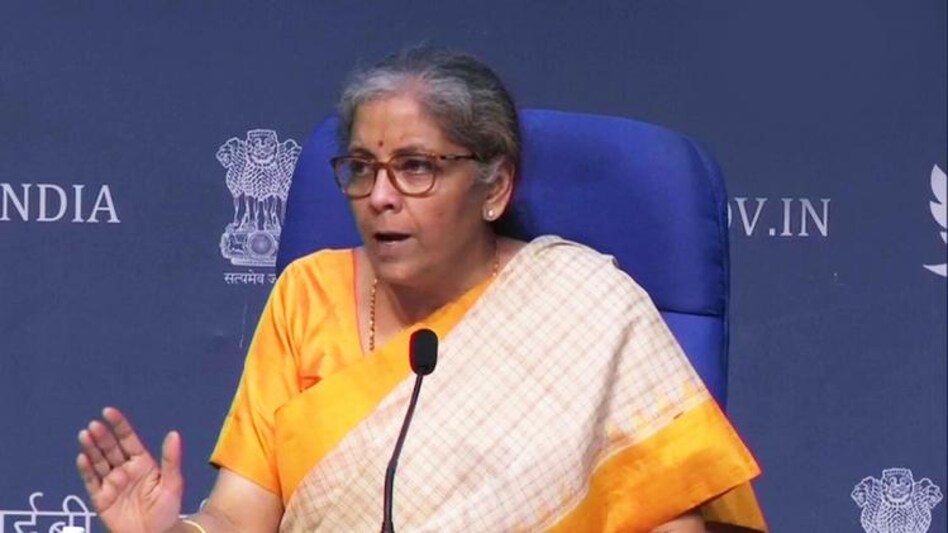
 Finance minister Nirmala SitharamanFinance minister Nirmala Sitharaman
A majority of the members of OECD-G20 Inclusive Framework on Base Erosion and Profit Shifting, including India, adopted a high-level statement containing an outline of a consensus solution to address the tax challenges arising from the digitalisation of the economy.
The proposed solution consists of two components -- Pillar One, which's about re-allocation of an additional share of profit to the market jurisdictions, and Pillar Two, which consists of minimum tax and subject to tax rules.
Some significant issues, including share of profit allocation and scope of subject to tax rules, remain open and are yet to be addressed.
Further, the technical details of the proposal will be worked out in the coming months, and a consensus agreement is expected by October.
Also read: Hike in GST collection in recent months should be 'new normal': FM Sitharaman
"The principles underlying the solution vindicates India's stand for a greater share of profits for the markets, consideration of demand-side factors in profit allocation, the need to seriously address the issue of cross border profit shifting and need for subject to tax rule to stop treaty shopping," the finance ministry statement said.
India is in the favour of a consensus solution that is simple to implement and simple to comply with.
The ministry said the solution should result in the allocation of meaningful and sustainable revenue to market jurisdictions, particularly for developing and emerging economies.
The ministry said India will strive to "reach a consensus on ready to implement the solution with Pillar one and Pillar two as a package by October and contribute positively for the advancement of the international tax agenda".
Also read: FM Sitharaman asks ministries to surpass capex target set for FY22
 Copper in 2026: How the red metal is drawing investors beyond gold, silver; here's how to invest
 'Will no longer fund radical organizations': Trump administration takes US out of Green Climate Fund
 BMW India’s market share in luxury EVs hits 60% : CEO Hardeep Singh Brar
 Worldwide air passenger traffic hits new heights, India’s domestic growth leads the pack: IATA data
 ‘US absolute power’: Uday Kotak recalls 2024 prediction as India faces 500% tariff threat from Trump
  Trump Announces Oil Deal: Venezuela To Buy Only US Goods, Washington To Control Oil Proceeds
 US Transparency Report Reveals Pakistan’s $5.4M Lobbying Spree After India’s Op Sindoor
 CES 2026 Smartphones: Trifolds, Kill Switches And Offline Phones Redefine Privacy
 FPI Inflows Shifts From FMCG, Autos To IT, Metals
 Mumbai Slum-Free In 7–8 Years: CM Devendra Fadnavis Unveils Dharavi Redevelopment Vision
 NSE in talks with IGX on collaboration to launch Indian Natural Gas Futures
 Nifty slips below 50-day EMA for 1st time in 3 months, signals more pain
 Dixon Technologies shares: Two factors behind the rally amid market crash today
  BHEL shares tumble nearly 9%; here's the possible trigger
 Stock market: Pre-Budget rally ahead? Chances have diminished, says Amit Goel of Pace 360