


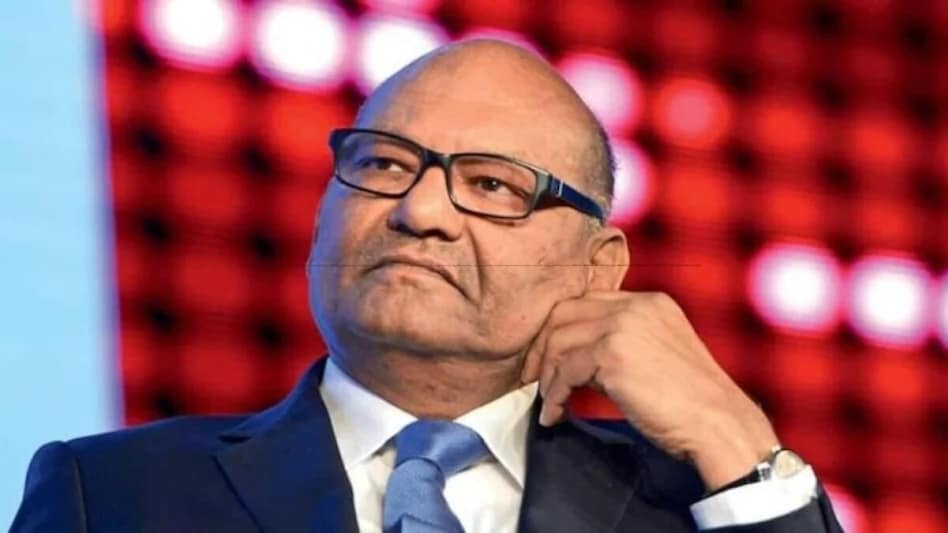
 Agarwal shared that his startups became successful only in his 40s after dealing with numerous setbacks in his 20s and 30s.
“There is no right time for success. Our society puts a lot of pressure on young people to succeed... turtle ki story hamesha yaad rakhna. Slow and steady wins the race,” a timeless quote by Anil Agarwal, Founder and Chairman of Vedanta Resources Limited. His message focussed on encouraging young entrepreneurs to not fear failure and to be persistent.
Agarwal shared that his startups became successful only in his 40s after dealing with numerous setbacks in his 20s and 30s.

 Festive bonanza for Railway employees: Cabinet likely to approve productivity linked bonus, say sources
 BT BIG STORY: Your next colleague could be an AI agent. What does that mean for Indian IT, and for your job?
 BT Explainer: Why is Bank of Baroda facing a lawsuit from founder of NMC Health, BR Shetty?
 'Not for us, but for the world': Trump defends Russia diesel deal, restrictions against India remain
 Marco Rubio's India visit: Energy cooperation, Jamnagar refinery visit on cards during 5-day trip
 Shashi Tharoor On Gyanesh Kumar: Is Impeachment The Only Route To CEC Accountability?
 TCS, HCLTech Rally Amid Global AI Jitters: What's The Next Market Move?
 How Aditya Birla Group Navigates Tariff Uncertainty & Builds Global Competitiveness
 Kumar Mangalam Birla on Why Businesses Must Think Twice Before Rushing Into AI
 Delhi’s Jantar Mantar No Longer A Protest Hub: 3 New Sites, Costs And Rules Explained
 Transformers and Rectifiers stock surges 13% on Q2 earnings; key details
  PNC Infratech shares in focus after Delhi High Court stays NHAI debarment orders
 Bank of Baroda shares fall 3% amid clarification on $15 billion lawsuit
  Fusion CX IPO opens today: Should you apply or avoid? Check price band, reviews, fresh GMP & more
 AI and data centre equipment: Adani Enterprises shares in focus on JV with Jabil IncBT Explainer: Why is Bank of Baroda facing a lawsuit from founder of NMC Health, BR Shetty?
 'Time to build something that'll outlive all of us': Virat Kohli in his debut LinkedIn postTransformers and Rectifiers stock surges 13% on Q2 earnings; key details PNC Infratech shares in focus after Delhi High Court stays NHAI debarment ordersBank of Baroda shares fall 3% amid clarification on $15 billion lawsuit












