


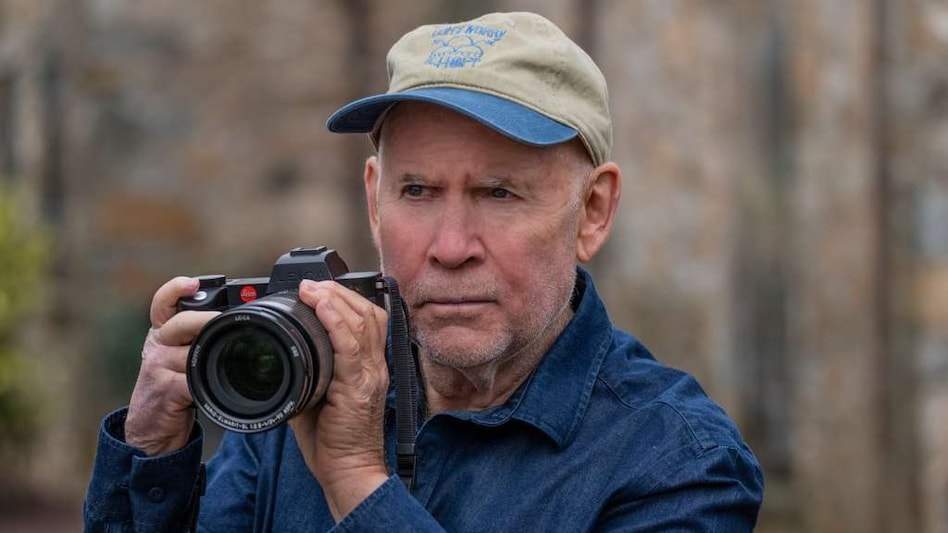
 Legendary photographer and Leica global brand ambassador Steve McCurry
Steve McCurry has spent decades finding the extraordinary within the everyday. From women in red saris caught in a Rajasthan dust storm to faces framed by the windows of Indian trains, steam engines disappearing into the mist at Darjeeling, and, most famously, the unflinching gaze of the ‘Afghan Girl’. On the sidelines of an intimate Leica India session at Museo Camera in Gurugram, the legendary photographer and Leica global brand ambassador spoke to Business Today on the India he has watched change, the instincts that continue to guide his eye, photography in the age of AI, and why the pleasure of the work still lies simply in going out and taking photos. Edited excerpts from the interview:-
Q: Having travelled through India over several decades, do you feel the country itself has changed more, or has the way you look at it changed more?
SM: Well, I’m not sure if the way I look at it has changed, but India has changed dramatically, as has the world. The whole world has changed, so it is just inevitable.
As a photographer, I try to look at what is unique about India. What is special? What is the Indianness of it?
If you go to the Delhi airport, I don’t think anybody is particularly fascinated by it as a subject. It is a great airport. It is functional and beautiful, and I was just there a few hours ago. But it looks like every other airport in the world, and as a subject, I’m not really drawn to that.
I’m drawn to things that are more cultural—things that have been around.

 A new engine for India's growth? Private investment finally picks up pace
 'NCLT order rightly stayed': Subhash Chandra personal guarantee issue back to the drawing board
 Rajiv Kumar pushed for changes at HDFC Bank; Sashidhar Jagdishan chose to step down: Report
  'Japan provides powerful inspiration': Ex-CEA backs PM Modi's push for domestic spending
  Reliance enters ice cream market with Bombay Creamery, prices start at Rs 10
 Kotak’s Mid Cap & Flexi Cap Strategy: Where Should Investors Bet Now?
 India GDP Growth At 7.8%: What It Means For The Economy, Markets & You
 Sugar Stocks Under Pressure | Govt Tightens Dealer Stock Limits Till Nov 30
 Market Commentary: Where Is The Next Big Opportunity? | Asit Bhandarkar
 Daily Calls: Ask Your STOCK MARKET TODAY QUERIES | Market Update | Share Market News Today
 Tata Tech, NCC, Data Patterns, eMudhra shares: Expert shares technical view, targets
 NTPC, GAIL, Gujarat Pipavav, TBZ, Triveni Turbine among 13 stocks to turn ex-dividend tomorrow
 Happiest Minds shares dive 11% to near listing price; ITC Infotech merger plan in focus: Buy, sell or hold?
 Happiest Minds stock crash: Buying opportunity after 11% fall? Analyst says this
  More pain likely on HDFC Bank counter, stock may fall to Rs 650 mark, says analyst
  Shortage of ships hits India's auto exports in August
 'Affordable today, distress tomorrow': ISB professor's warning for Indian home loan borrowersA new engine for India's growth? Private investment finally picks up pace
 From smartphones to semiconductors, India is building deeper supply chains'Japan provides powerful inspiration': Ex-CEA backs PM Modi's push for domestic spending












