India's current account deficit could double to 2% of GDP if oil holds at USD 100 through the year, with a wider trade gap putting downward pressure on the rupee — potentially to 94–95 per dollar, the weakest it has ever traded. The GCC region accounts for nearly 38% of India's remittance inflows, meaning a prolonged conflict could also squeeze the earnings of millions of Indian workers abroad.
On inflation, the recent LPG price hike of Rs 60 per cylinder adds around 14 basis points to retail CPI. But if the government passes on the full under-recovery on LPG — estimated at Rs 592 per cylinder at $ 100 crude — the impact balloons to 140 basis points. Hiking petrol and diesel prices instead of cutting excise duties would add a further 70 basis points. Every month at $ 100 crude costs the central government Rs 20,000–30,000 crore via subsidies or foregone excise revenue. Fertiliser subsidies compound the burden — the subsidy bill could rise from the budgeted Rs 1.7 lakh crore to over Rs 2 lakh crore, echoing the 63% surge seen during the Russia-Ukraine war.
Growth at Risk
A sustained oil shock at $100, combined with knock-on effects on trade and domestic spending, could shave a full percentage point off India's FY27 GDP growth forecast of 7.2%. The primary channel is trade and supply-chain disruption; the secondary channel is domestic — if the energy shock passes through to consumers and businesses, demand erodes and investment slows.
The Gas Crisis: An Underappreciated Shock
India sources about 69% of its LNG imports from West Asia, with Qatar supplying around 40%. Unlike crude oil, where India holds 25 days of strategic reserves, gas buffers are far thinner. The government has already cut industrial gas allocations to about 65% of normal while protecting household and vehicle fuel supply. Even if shipping routes reopen soon, restoring full LNG production will take time — implying tight availability through April and potentially May. This directly threatens air-conditioner manufacturing heading into peak summer season, fertiliser production before the Kharif sowing season, and the restaurant ecosystem that urban India depends on.
Corporate Earnings: Who Wins, Who Loses
The sharpest divide is in oil and gas. Oil marketing companies — which buy crude at market prices but sell fuel at government-controlled rates — face deeply negative earnings at $ 100 crude. Pure refiners benefit as refining margins widen during supply disruptions; industry average margins could expand from $ 8 to around $ 25 per barrel. Upstream producers gain from higher crude realisations, though government policy may cap their upside.
The AC industry faces urgent risk given the timing. Component makers carry only 7–10 days of inventory; a disruption beyond one month could halt production and create supply shortages during the March–May peak season. Larger AC brands with 25–35 days of inventory are cushioned near-term but exposed to a prolonged crisis. Tyre companies are also vulnerable — petroleum-derived inputs account for 30–40% of production costs, and every 10% rise in crude compresses sector margins by 60–80 basis points. At $150 crude, sector EBITDA margins could fall from 14.7% to just 2.6%.
Aviation is among the most exposed sectors, with fuel making up roughly 40% of operating costs. At $100 crude — assuming 50% cost pass-through and 15% traffic reduction — sector EBITDA would nearly halve. At $125, airlines move into losses. Food delivery platforms face indirect pressure as LPG-dependent restaurants curtail capacity; about 28% of gross order value comes from such formats. Quick Service Restaurant chains, which use electric cooking equipment, are relatively insulated and could benefit from demand substitution.
What History Says About Markets and Wars
Across seven major conflicts over the past 25 years, Nifty's median drawdown has been just 6%, with a median recovery of 15 days. Post-conflict returns historically reach 4.5% in 3 months, 11.7% in 6 months, and 26.2% in 12 months. Based on this playbook, current downside risk appears limited to 4–5%.
The key caveat is the 2011 Libya crisis, when Brent stayed above $100 for over three years and Nifty went essentially flat until crude softened. That is the tail risk today. If crude sustains above $100 for more than two quarters, NSE 500 profit margins could compress by 200–300 basis points — repeating the pattern from both the 2011–14 oil shock and the Russia-Ukraine crisis.
The oil shock of 2026 is not a hypothetical risk — it is already happening. The question is whether it will be a short, sharp jolt or a sustained assault on India's macro stability. Every week of delay in resolving the Strait of Hormuz crisis adds to the bill.
(Views are personal; the author is Deputy Head of Research & Economist at Elara Capital)


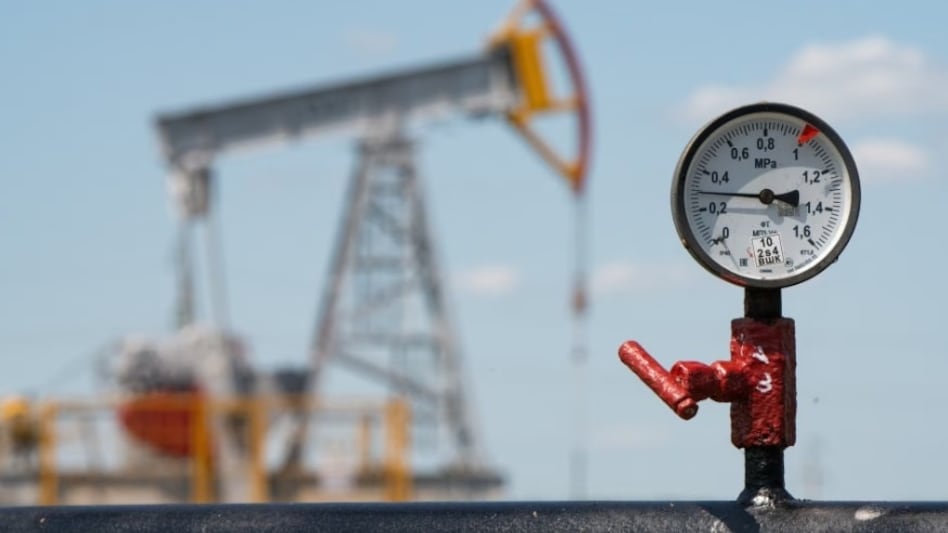 Sustained oil shock combined with knock-on effects on trade and domestic spending could shave a full percentage point off India's FY27 GDP growth forecast
  India's debt ratio looks reasonable, but its interest cost doesn't, says ISB finance professor
 Nepal issues fresh flood alert as Bhote Koshi river flow increases further
 From IIT, IIM and London to IAS: Deoria DM Divya Mittal resigns after 13 years
 Sadhguru returns to Nepal; Isha says 'no encouraging indication of survivors at immigration office'
 How Tim Cook positioned India as the pillar of Apple’s long-term growth beyond the iPhone
 Tax-Saving Hacks: Expenses For Content Creators & Freelancers — What You Can Claim
 Advance Tax For YouTubers & Freelancers: When And How Much Tax Should You Pay?
 Debt Funds Have Risks Too: 3 Key Risks Every Investor Should Know Before Investing
 Gold Vs Silver: Which Is Better Buy Now? Why Silver Could Outperform Gold
 Debt Funds Explained: Which Fund Should You Choose Based On Your Investment Horizon?
 Jio Platforms IPO gets SEBI nod: Rs 27,500 crore debt repayment plan, $100 billion valuation in focus
 Closing Auction Session: Why the system expected to reduce volatility is still seeing occasional wild swings
 RIL-backed penny stock hits 52-week low; firm clarifies on high trading volume
 Happiest Minds shares slip despite IT stocks surge; here's what is weighing on the stock
 BEL, Solar Industries shares remain Nuvama's top defence picks; here's what it said on BDL, Data Patterns, HAL
 HDFC Bank's next CEO: Deputy MD Kaizad Bharucha in focus after Jagdishan opts out
 Bengal to refund ticket money to 33,000 fans after chaotic Messi event, says CM Suvendu Adhikari
 Less than $1 per tonne-km: Bengaluru startup announces autonomous seaplane to cut cargo costs












