


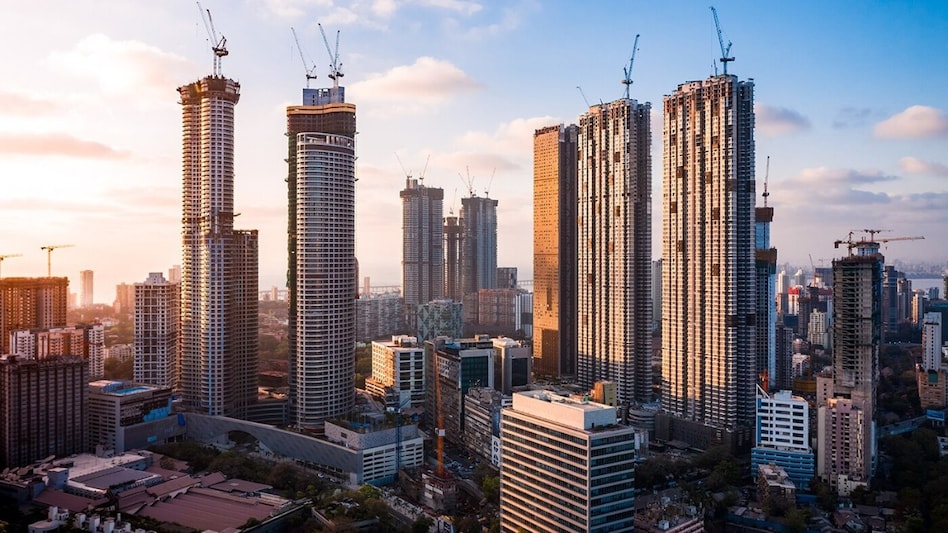
 Data from Knight Frank India, based on Maharashtra's Department of Registrations and Stamps, shows Mumbai recorded more than 1.5 lakh property registrations in 2025, the highest annual figure in 14 years.
Mumbai's residential property market is undergoing a structural shift. While location, amenities and lifestyle remain important, buyers are increasingly evaluating homes the way they assess financial assets—through expected returns, rental income, appreciation potential and long-term wealth creation.
According to Ram Raheja, Managing Director of S Raheja, residential real estate is no longer competing only with other housing projects. It is now vying for investor capital alongside equities, fixed-income products, gold and other financial instruments.

 UPI MDR of 0.4% on transactions above ₹2,000 from October 15: What you need to know
 'Private sector must invest, must hire and compensate fairly': CEA Nageswaran asks India Inc to step up
 Apple under pressure in India over iOS 18 screen damage and warranty claims: All details
 India exports 500 tonnes of hilsa to Bangladesh as fish trade flow reverses
 'Sher aaya, sher aaya': Ex-HCL CEO says AI doomsday warnings are hype, won't kill humans
 Crude Oil Price Surge: Will Petrol And Diesel Prices Rise In India?
 Market Commentary: Sharad Avasthi On Nifty, Stocks & The Next Big Move
 RBI Files Caveat In Bombay HC Ahead Of Tata Sons Appeal | Tata Group Stocks | Tata Chemical Shares
 NSE IPO Explained: Price Band, Valuation, Growth Potential And Key Risks
 Stock Market Falls As Crude Oil Nears $110 & Weak Rupee | Stock Market News
 CDSL shares slip 4%; brokerage upgrades stock to 'Buy': Check revised target
 Paytm, One Mobikwik shares: How UPI fee fears may affect sentiment in fintech players
  Sensex tumbles 778 points; Nifty briefly slips below 22,900 amid CAS volatility; what's ahead?
 Hindustan Copper, Garware Hi-Tech Films, Vijaya Diagnostic Centre among stocks to turn ex-dividend on September 16
 Solar energy stock gets target price hike, HSBC maintains 'buy; says this
  Small merchants will not come under UPI MDR even above ₹2,000 if they meet this condition; check details
 Tata Sons board meeting on September 17: RBI ruling, Chandrasekaran succession and Trusts row in focus
 UPI MDR new rules: 0.4% charge above ₹2,000, ₹300 cap on high-value payments; see FAQs
 From ₹10 Lakh Opening To ₹268 Crore Worldwide: Hanuman Ansh’s Box Office Run
 “13 Indian Seafarers Rescued, One Missing”: India On MT El Gaia Attack Off Oman Coast












