


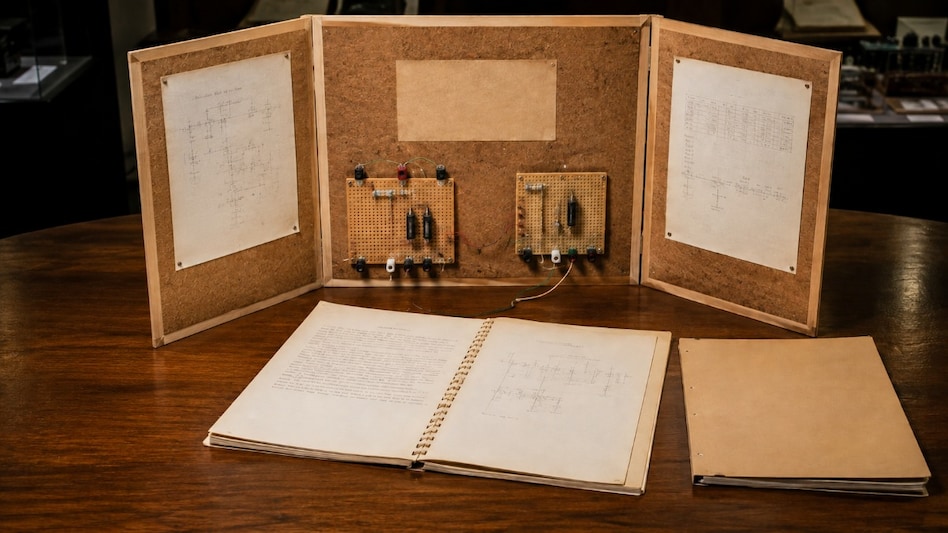
 Steve Jobs’ eighth-grade science project is heading to auction decades after it was made.
As Apple marks its 50th anniversary, a major milestone for the company. As it celebrates, some unusual pieces from the company’s history are attracting attention from collectors. Among them is a science fair project created by Steve Jobs when he was still in eighth grade, years before he co-founded Apple.
A look at Jobs’ early interest in technology

 Paytm says new UPI MDR will generate additional revenue from merchant business
 ‘Inevitable but doesn’t make sense in some cases’: Zerodha’s Nithin Kamath on MDR on UPI transactions over ₹2000
 ‘The additional revenue will help’: MobiKwik, PhonePe founders back MDR charge on UPI transactions over ₹2000
 India to face 100% tariffs? US House moves Russia Sanctions bill, final vote tomorrow
 YES Bank, BOB, PNB, IndusInd Bank, HDFC Bank shares: Key beneficiaries of MDR charges
 FMCG Stocks Rally: Why Inflation Could Hit Margins And Pricing Power
 U.S. House Advances Russia Sanctions Bill: Is India Facing 100% Tariff Risk?
 Why UPI MDR Is Needed For Long-Term Growth, Explains PhonePe CEO Sameer Nigam
 Gurugram Biker Hit-And-Run: Accused Arrested After India Today Investigation
 Amit Shah’s UCC 2029 Deadline: Why NDA Allies Are Divided Over Uniform Civil Code
 Solar Industries stock plunges 17% in two days; here's what DAM Capital says
  NSE IPO: Institutional interest strong; business highly profitable, says Ashishkumar Chauhan
 Welspun Living's arm gets credit rating upgrade, check stock reaction YES Bank, BOB, PNB, IndusInd Bank, HDFC Bank shares: Key beneficiaries of MDR charges
 Tata Chemicals shares zoom 29% in two days on Tata Sons listing hopes Solar Industries stock plunges 17% in two days; here's what DAM Capital says FMCG Stocks Rally: Why Inflation Could Hit Margins And Pricing Power
 Trump-backed crypto bill blocked by US Senate as Bitcoin falls 5%U.S. House Advances Russia Sanctions Bill: Is India Facing 100% Tariff Risk?Why UPI MDR Is Needed For Long-Term Growth, Explains PhonePe CEO Sameer Nigam












