


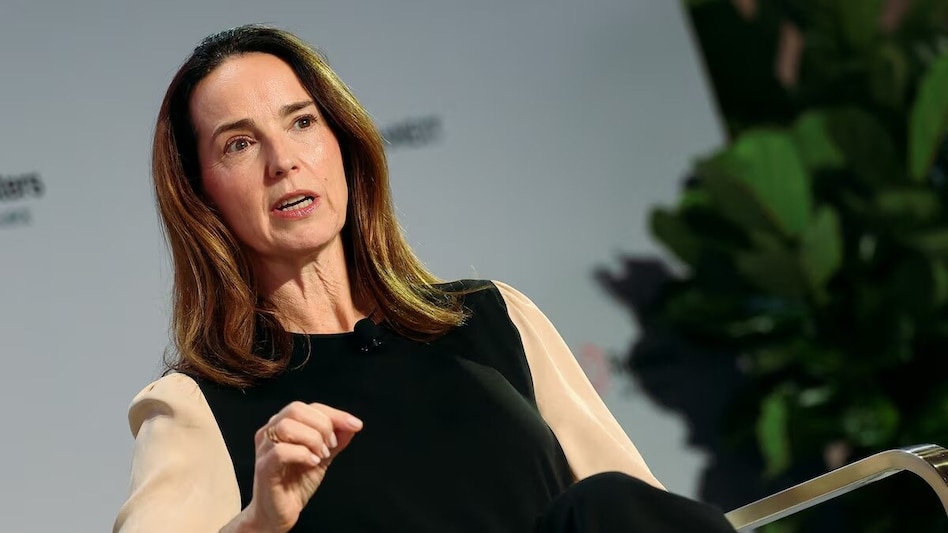
 OpenAI Chief Financial Officer Sarah Friar
A high-stakes internal rift is brewing at the world’s most valuable AI startup. OpenAI’s Chief Financial Officer, Sarah Friar, has reportedly expressed reservations about CEO Sam Altman’s ambitious timeline to take the company public as early as the fourth quarter of 2026.
While Altman is eyeing an initial public offering (IPO) to cement OpenAI’s dominance, Friar is waving a red flag over the company’s "burn rate" and the massive organisational overhaul required before going public.

 'We cannot put the cart before...': Noel Tata's argument against N Chandrasekaran's reappointment
 Tata Trusts opposes N Chandrasekaran reappointment, says board resolution is ‘legal nullity’
 N Chandrasekaran reappointed for 5 yrs as Tata Sons Chairman; board approves public listing
 Tata Sons IPO: Board approves listing on stock exchanges
 NSE IPO: India's largest exchange gets 43% subscription on Day 1; NIIs, retail see strong demand
 Modi @76: From Twitter To Instagram, How His Digital Outreach Has Evolved
 Stock Picks To Watch: Shibani Kurian Reveals Kotak AMC’s Market Bets
 Gold ETF vs Physical Gold: Know the Tax Rules, Charges and Key Differences
  PPF vs NPS: Tax Benefits, Returns and Lock-in Period Explained for Retirement Planning
  FDs, RDs & Savings Accounts: Why They May Not Help Build Wealth After Tax & Inflation
 Hero Motors IPO subscribed 3.37 times on Day 2; retail portion subscribed over 5 timesNSE IPO: India's largest exchange gets 43% subscription on Day 1; NIIs, retail see strong demand
 Rentomojo shares settle maiden trade nearly 32% above IPO price; what should investors do now?
 Sensex slips, Nifty settles higher; Tata stocks gain after N Chandrasekaran reappointment
 Cochin Shipyard, KRBL, RITES, Ramky Infrastructure among stocks to turn ex-dividend on September 18
 Factories, funding and fresh faces: India's chip dream getting real
 Tata Sons boardroom war: How N. Chandrasekaran's vote on his own reappointment was accepted
 HAL to hand over Tejas trainers, HTT-40 aircraft and Dhruv NG helicopters on Friday
  NaBFID eyes Rs 1 lakh crore fundraise, to tap overseas markets for up to 40%Modi @76: From Twitter To Instagram, How His Digital Outreach Has Evolved












