


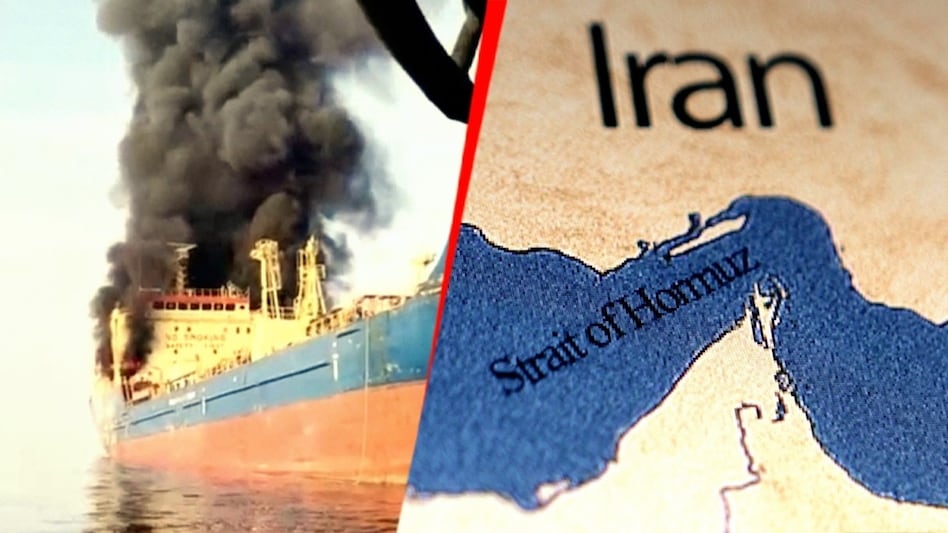
 The Strait of Hormuz is a key route for oil exports from major Gulf producers such as Saudi Arabia, the United Arab Emirates, Kuwait, Iraq and Qatar.
Iran has reportedly said it will allow only Chinese vessels to pass through the Strait of Hormuz, citing Beijing’s supportive stance toward Tehran since the conflict in the Middle East intensified, NDTV reported on Wednesday. The move comes as Iran continues to block one of the world’s most critical maritime chokepoints, raising concerns about severe disruptions to global energy supply chains.
The Strait of Hormuz, a narrow passage connecting the Persian Gulf to the open sea, is a key route for oil exports from major Gulf producers such as Saudi Arabia, the United Arab Emirates, Kuwait, Iraq and Qatar. Nearly 20% of the world’s oil supply passes through the strait before heading to major Asian markets including China and India.

 'We don't fear competition': Reliance hits back at Musk's Starlink India claims
 Jio IPO: How Ambani’s telecom giant stacks up against Mittal’s Bharti Airtel
 Sky-high airfares: Govt to publish new rules within 2 weeks, Centre tells Supreme Court
 BT BIG STORY: 'Ratan Tata never wanted to list Tata Sons'
 Jio Platforms IPO: GMP hits new high; what could drive next phase of growth for telecom major
 Sennheiser Momentum 5 Review: Best Premium Headphones Under ₹40,000?
 Jio Platforms IPO: ₹30,000 Crore Issue Opens October 21, Valuation At ₹10.3 Lakh Crore
 Weekend OTT Releases: The Diplomat 4, Aasha, Sacrifice And More
 How Jio Transformed India From Data Scarce to Data Abundant! | Akash Ambani | Jio Platforms IPO
 Akash Ambani Decodes Jio's Financial Muscle | Reveals The 5 Key Business Drivers | Jio Platforms IPO
 Jio IPO: Why Bharti Airtel share price is rising ahead of Rs 30,213 crore offer
  Persistent Systems shares: Why this stock fell 6% after Q2 results; target prices
  Jio Financial shares: 37% upside potential in stock, what else MOFSL says post Q2 earnings
 HD Fire Protect IPO: How to check allotment status, odds of getting shares, fresh GMP & listing dateJio Platforms IPO: GMP hits new high; what could drive next phase of growth for telecom majorJio IPO: Why Bharti Airtel share price is rising ahead of Rs 30,213 crore offer
  PM Modi to visit Canada on December 11-12: Bilateral talks with Mark Carney, CEPA on agenda
 Meta launches Muse Spark Open model to run on Mac Studio: How it can benefit users
 Why Netflix fired content chief Bela Bajaria from the seat of powerSky-high airfares: Govt to publish new rules within 2 weeks, Centre tells Supreme Court












