


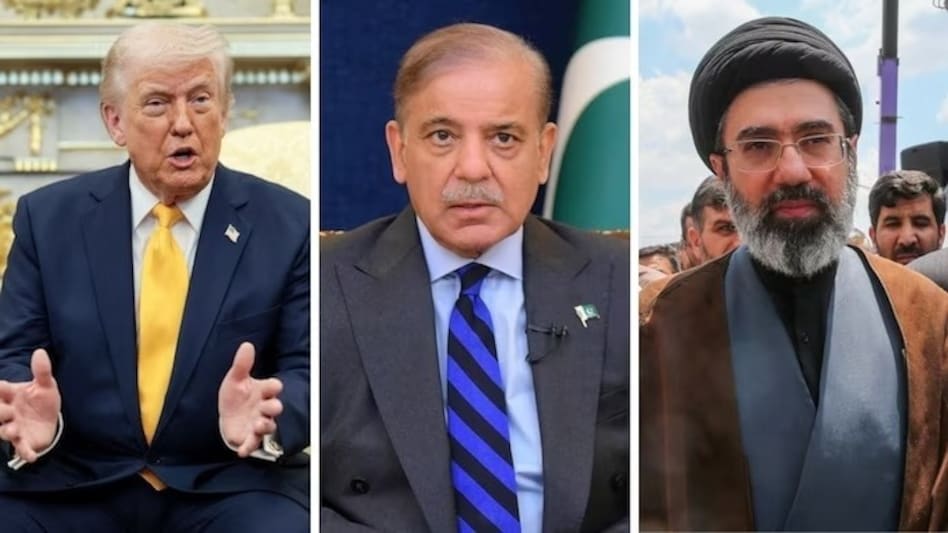
 Iran-US talks in Pakistan: Despite these challenges, the talks continue under cautious diplomacy.
US-Iran talks have entered a critical phase as delegations from both countries meet in Islamabad to discuss longstanding disputes blocking a deal. The Iranian delegation, led by Parliament Speaker Mohammad Baqer Ghalibaf and including senior political, military, and economic officials, arrived amid fragile ceasefire conditions and mutual mistrust. The talks represent the highest-level engagement between the two nations since the 1979 Islamic Revolution.
Negotiations hinge on Washington accepting Tehran’s preconditions, with Iran demanding that any ceasefire address Israel’s assault on Hezbollah in Lebanon and include the release of Iranian assets frozen under sanctions. The US delegation, led by Vice President JD Vance, has expressed cautious optimism but remains sceptical about a swift resolution.

 Dollar deluge: RBI’s forex scheme draws $136.37 billion
 'Sugar availability is more than sufficient': Industry dismisses shortage fears ahead of festive season
 '125% of GDP kept in frozen savings of gold, silver': Kotak's Nilesh Shah flags India's growth hurdle
 Mahindra-SML merger to unlock sourcing, product platform and service synergies: Vinod Sahay
 'No mechanical boost to GDP numbers': MoSPI's detailed clarification on 7.8% growth
 U.S. May Tighten Child Passport Checks Under Trump, Indians And Birth Tourism Families Face Scrutiny
 Market Commentary | Deven Choksey On Buying Opportunities & Market Trends
 “India Is Certainly Not In Crisis”: Arvind Panagariya On Growth, Investment And Reforms
 Daily Calls: Ask Your STOCK MARKET TODAY QUERIES | Market Update | Share Market News Today
 What’s Hot: Stocks, Gold & Big Money Moves | Daily Markets Show | September 02 | Business Today
 RIL-backed Alok Industries shares hit fresh 52-week low, end slightly higher
 Milky Mist shares surge 10% after Q1 results; brokerage sees more upside potential
 Hero MotoCorp, Eicher Motors shares slide up to 5%; analyst flags key support levels
 Man Infraconstruction shares fall; Rs 169 crore buyback approval in focus
 Brigade Enterprises shares: Analyst on when to exit the real estate counter
  '11am or 11pm, I feel safe': Indian woman in Japan sparks debate over women’s safety
 'Same job, same status': Delhi HC sets rules for women returning from maternity leave
 India produces over 1.14 billion tonnes of fuel: Where it stands among world’s top producers
 Saved Rs 1.2 crore for daughter's wedding, man loses it to 'digital arrest' scam
 'Magical moment for India': Ex-Finance Commission Chairman hails Japan's A- rating upgrade, defends new GDP methodology












