


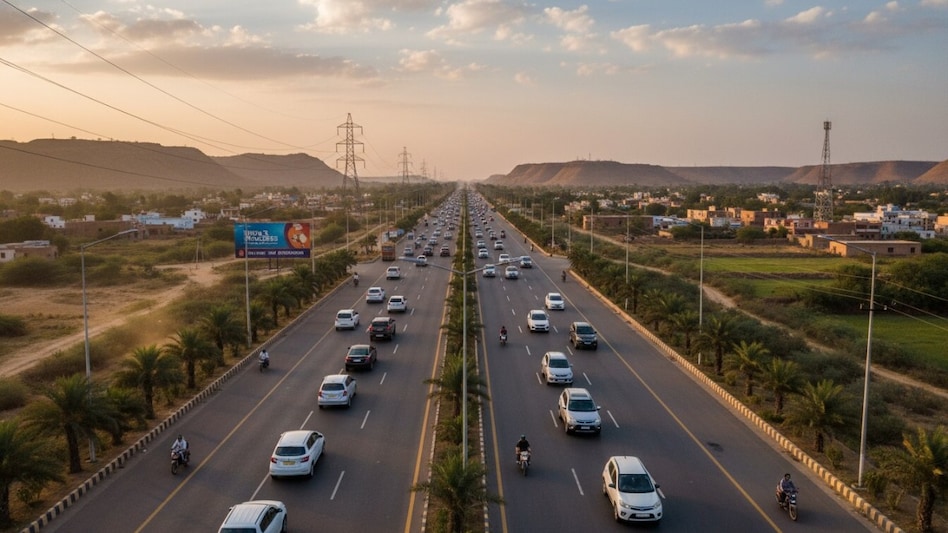
 Govt clears 5.9 GHz band for connected vehicles, paving way for smarter Indian roads
The government has cleared the use of a dedicated wireless spectrum band for connected vehicle technologies, a move that could lay the foundation for smarter transportation systems and next-generation road safety features in India.
In a notification, the Department of Telecommunications (DoT) exempted Cellular Vehicle-to-Everything (C-V2X) communication devices operating in the 5875-5905 MHz band from licensing requirements. The rules have come into force with immediate effect.

 A new engine for India's growth? Private investment finally picks up pace
 Insolvency and the law: Subhash Chandra case raises wider questions about IBC
 New Apple CEO says 'hello' on X and gets 2.6 million+ views
 'NCLT order rightly stayed': Subhash Chandra personal guarantee issue back to the drawing board
 Rajiv Kumar pushed for changes at HDFC Bank; Sashidhar Jagdishan chose to step down: Report
  Kotak’s Mid Cap & Flexi Cap Strategy: Where Should Investors Bet Now?
 India GDP Growth At 7.8%: What It Means For The Economy, Markets & You
 Sugar Stocks Under Pressure | Govt Tightens Dealer Stock Limits Till Nov 30
 Market Commentary: Where Is The Next Big Opportunity? | Asit Bhandarkar
 Daily Calls: Ask Your STOCK MARKET TODAY QUERIES | Market Update | Share Market News Today
 Tata Tech, NCC, Data Patterns, eMudhra shares: Expert shares technical view, targets
 NTPC, GAIL, Gujarat Pipavav, TBZ, Triveni Turbine among 13 stocks to turn ex-dividend tomorrow
 Happiest Minds shares dive 11% to near listing price; ITC Infotech merger plan in focus: Buy, sell or hold?
 Happiest Minds stock crash: Buying opportunity after 11% fall? Analyst says this
  More pain likely on HDFC Bank counter, stock may fall to Rs 650 mark, says analyst New Apple CEO says 'hello' on X and gets 2.6 million+ views
 BRICS Summit 2026: Delhi traffic police announces major diversions on September 2;check hereInsolvency and the law: Subhash Chandra case raises wider questions about IBC
 Shortage of ships hits India's auto exports in August
 'Affordable today, distress tomorrow': ISB professor's warning for Indian home loan borrowers












