


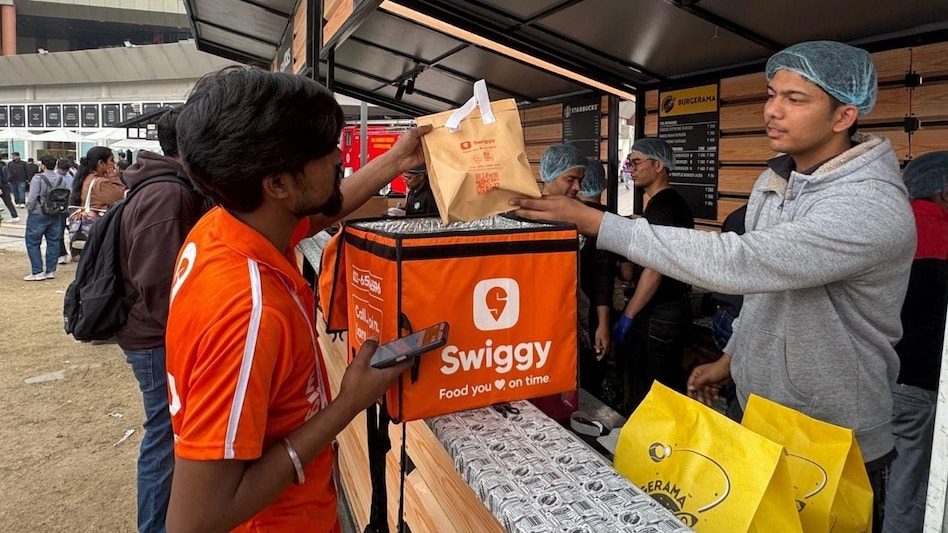
 According to Redseer's report, online food delivery is expected to increase its share of the country's food services market from 11% in FY26 to 18% by FY31.
India's online food delivery industry is showing little sign of losing momentum. After years of rapid expansion, the sector is now entering a new phase of growth, fuelled by changing consumer habits, rising disposable incomes and the rapid expansion of organised food brands beyond metro cities.
According to Redseer's State of India's Food Services Market 2026 report, online food delivery is expected to increase its share of the country's food services market from 11% in FY26 to 18% by FY31, growing at a robust 20-22% compound annual growth rate (CAGR). The findings suggest that ordering food online is no longer a convenience reserved for urban consumers but is becoming a mainstream consumption habit across India.

 Tata Sons rejects Noel Tata objections over N. Chandrasekaran reappointment
 NSE becomes Asia's second most-valued stock exchange, m-cap at $46.89 billion
 Biggest risk is regulatory risk...: Nithin Kamath warns fintech valuations face rule-change risk after IRDAI commission proposals
 HSBC plans India equity broking return amid IPO boom, says report
 BT Big Story: Is 66% = zero? The Tata Sons question on everyone’s minds
  Meta’s New Gadgets: Camera-Free Glasses, VR Eyewear And AI Handheld Device Unveiled
  MDR Levy: Will Retail Trading Volumes Take A Hit? | NSE Chairman Srinivas Injeti
 NSE Lists At ₹1,800: Exclusive Post-Listing Interview With India's Largest Exchange
 From Mobile Trading To AI: How NSE Plans To Protect Market Integrity
 NSE On India’s Capital Markets Growth | IPOs, REITs, InvITs And More
 HSBC plans India equity broking return amid IPO boom, says report
 Whirlpool of India clarifies on promoter stake sale report; stock slips
 From Azim Premji to DMart’s Radhakishan Damani: The famous investors sitting on thousands of crores in NSE shares
 Solar Industries stock gets 'Buy' call on defence push and global explosives growth
 BTTV Exclusive | NSE CEO Ashish Chauhan says new products to drive diversification, calls EGRs transformational
 Oil rises as Iran threat to widen war dims hopes of Strait of Hormuz deal
 SC flags Gurugram’s infrastructure after rains, says Greater Noida planned for 30-40 yearsTata Sons rejects Noel Tata objections over N. Chandrasekaran reappointmentMeta’s New Gadgets: Camera-Free Glasses, VR Eyewear And AI Handheld Device Unveiled
  'Where is Pakistan': When Nelson Mandela asked Hamid Mir












