


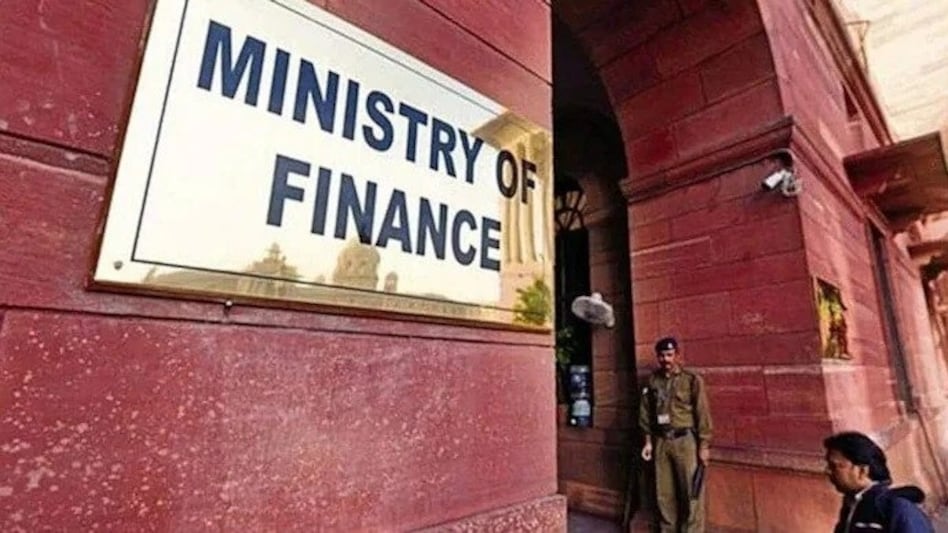
 The move follows a review of GeM consultancy tenders that flagged issues with eligibility and qualification criteria.
In a move that could help homegrown firms to compete on a more even footing for government consultancy contracts, the finance ministry has issued an advisory for easing eligibility criteria for such projects.
In a memorandum regarding prescription of qualification and evaluation criteria in procurement of consultancy services, the department of expenditure has reiterated guidelines that enable firms with a lower turnover to also compete for such contracts. It has also eased manpower threshold and has said that if minimum staff strength on the payroll of the firm is prescribed as an eligibility and qualification criterion, it may be ensured that the prescribed minimum staff strength is commensurate with the manpower requirement necessary for satisfactory execution of the consultancy assignment.

 BRICS Summit traffic alert: Delhi lists 22 diversion points, curbs on 35+ roads from Sept 11
 BRICS Summit 2026: Putin lands in New Delhi, set to hold key bilateral talks with PM Modi
 US-Iran fighting: Crude hits four-month high above $108 as prolonged conflict sparks supply fears
  BRICS Summit 2026: Trains to, from Delhi cancelled, diverted from September 11-13. Check full list here
 Amitabh Kant flags 3 key tests for India at BRICS: West Asia, China ties and summit document
 Gen Z Investors: Smart Investing Or Risky Game? Experts Decode The New Money Mindset
 Can BRICS Share Data Without Sharing Control? RITES CMD Rahul Mithal On MAITRI
 India’s Hidden Gems Could Unlock A $500 Bln Export Opportunity: ICIB’s Manpreet Singh
 China Is Not Just A Rival, It’s A Market For Indian Companies Says ICIB President Manpreet Singh
 UPI Boom Vs Credit Cards: Why Card Companies Could Still See Strong Growth In India
 US-Iran fighting: Crude hits four-month high above $108 as prolonged conflict sparks supply fears
  Manika Plastech IPO opens today: Should you apply? Check price band, reviews, latest GMP & more
 NSE announces price band for its IPO: Check revised offer, lot size, stake sale, mcap, GMP & more
 New-age firms could account for 40% of India’s IPO proceeds by 2030: Report
 Closing Auction Session here to stay, says Sebi chairman PandeyBRICS Summit 2026: Trains to, from Delhi cancelled, diverted from September 11-13. Check full list hereUS-Iran fighting: Crude hits four-month high above $108 as prolonged conflict sparks supply fears
  Better data, sharper accuracy: IMF applauds India’s new GDP calculation framework Manika Plastech IPO opens today: Should you apply? Check price band, reviews, latest GMP & more
 iPhone 18 Pro Max vs iPhone 17 Pro Max: Launch price comparison, check how much more you pay












