


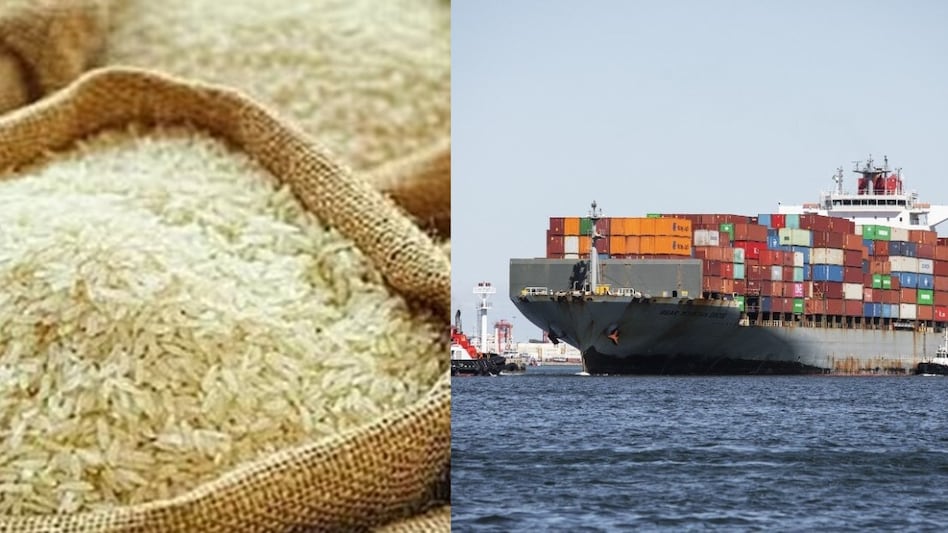
 Iran war impact: Indian basmati held up at ports and in transit
About 400,000 metric tons of Indian basmati rice are stuck in transit as the Iran conflict disrupts shipping routes across the Middle East and sends freight costs soaring, Reuters reported on Tuesday, citing trade officials. Export deals have reportedly dried up since the weekend strikes, and container freight rates have more than doubled.
Also read: Not China or India, this Asian country faces the highest risk from Hormuz closure

 PayPal cuts 600 jobs in India as part of its cost-cutting, restructuring measures
 7.8% GDP growth: Garg challenges ₹86 lakh crore-to-₹80 lakh crore revision, questions methodology
  MoCA moves to ease aircraft shortage with more bank credit for leasing, faster NOCs
 India stays ahead of global turbulence as economy grows 7.8% in Q1: Nirmala Sitharaman
 'No country should help Iran evade sanctions': Marco Rubio on Modi-Pezeshkian meet at SCO summit
 Piyush Goyal Defends India’s 7.8% GDP Growth, Hits Back At Opposition Critics
 U.S. May Tighten Child Passport Checks Under Trump, Indians And Birth Tourism Families Face Scrutiny
 Market Commentary | Deven Choksey On Buying Opportunities & Market Trends
 “India Is Certainly Not In Crisis”: Arvind Panagariya On Growth, Investment And Reforms
 Daily Calls: Ask Your STOCK MARKET TODAY QUERIES | Market Update | Share Market News Today
 Why Samir Arora wants mutual funds to stay away from IPOs, QIPs for 30 days; seeks more anchor investor disclosures
  Tata Power shares gain after commissioning 400kV transmission corridor in UP
 MCX share price: How to trade the commodities derivates stock after recent up move
  Suzlon, Tata Power, Premier, JSW Energy, NTPC Green: Fresh targets & risks for these utility stocks
 Inox Wind shares rise 3% after Rs 755 crore repeat order from IOC
 ‘Sign of intellectual dishonesty’: PM Adviser Soumya Kanti Ghosh on ‘2.6% GDP growth’ claimWhy Samir Arora wants mutual funds to stay away from IPOs, QIPs for 30 days; seeks more anchor investor disclosures Tata Power shares gain after commissioning 400kV transmission corridor in UP
 NHRC questions Meta’s intermediary status over AI systems, seeks asks MeitY, MIB reviewMoCA moves to ease aircraft shortage with more bank credit for leasing, faster NOCs












