


 CAQM REPORT
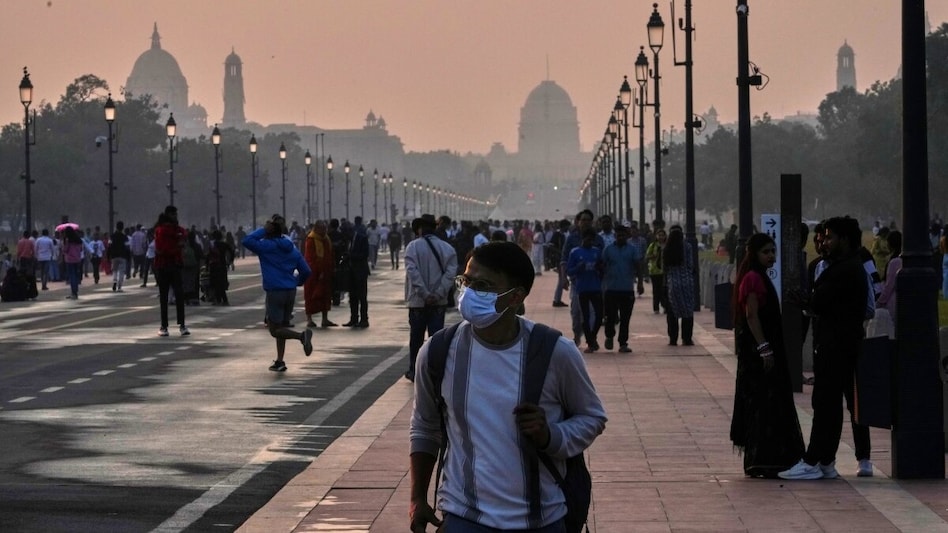
Delhiites are adapted to waking up to harsh updates about air pollution. This year, however, as per a fresh update from the Commission for Air Quality Management (CAQM), the city registered its cleanest January-to-May air quality in eight years, giving residents a good reason to feel optimistic about the capital’s environmental future.
In a post on X, CAQM stated that, “The avg AQI of Delhi for Jan–May during 2026 has been the lowest in 08 years (barring Covid-year 2020) as it recorded 211, as against 214 in 2025, 231 in 2024, 213 in 2023, 238 in 2022, 235 in 2021, 181 in 2020, 237 in 2019 and 243 in 2018, during the corresponding period.”
The average AQI for the first five months of 2026 stood at 157, placing it in the “Moderate” category. This is the best performance for the period since 2018, excluding 2020 when pandemic lockdowns sharply reduced traffic, industrial activity, and carbon emissions.
The improvement is visible not just in the numbers but also in the frequency of cleaner-air days. Between January and May, Delhi witnessed 75 days with air quality ranging from “Good” to “Moderate.” In comparison, the city recorded 70 such days in 2025 and only 44 in 2018. For millions of residents who routinely check pollution levels before stepping outdoors, these additional cleaner-air days represent a meaningful change.
MUST READ: Too hot outside? Gurugram's AC auto is winning the internet this summer
Officials credit the gains to a combination of stricter pollution-control measures implemented across Delhi-NCR. These include tighter monitoring of construction activities, action against open waste burning, better dust management, and efforts to reduce emissions from industries and vehicles.
The data also highlights a particularly strong performance in May. The month recorded the lowest average AQI for May in nearly eight years, excluding the pandemic-affected years. This suggests that the improvement is not merely seasonal but may reflect the impact of sustained policy interventions.
The encouraging numbers come as CAQM pursues an ambitious roadmap aimed at improving the region’s annual air quality by 15%. Authorities have increasingly focused on coordinated action among state governments, civic agencies, and pollution-control bodies to tackle one of India’s most persistent environmental challenges.
(With agency inputs)

 Who is Pralhad Joshi? Modi names veteran Karnataka BJP leader to lead Education Ministry after Pradhan's exit
 Third round of talks: CJP ends 49-day-long protest, says govt accepted 'key demands'
 Dharmendra Pradhan resigns, says decision taken to protect students' future amid NEET row
 All about Dharmendra Pradhan's educational qualification, wealth, assets and more
 India's first REIT mutual fund is here. Can it change how Indians invest in real estate?
  FDs vs Markets: Where Should You Keep Your Short-Term Money?
 Why Term Insurance Is Essential for Every Earning Member | Sum Assured & Coverage Explained
 Pakistan's Alleged Terror-Politics Nexus: Lashkar Links Spark Questions Over Fazlur Rehman
 Think Life Insurance Is Optional? Here's Why Every Indian Family Needs It Today
 FD Vs Arbitrage Fund: Which Is Better For High Taxpayers?
 Adani Power: 45 GW target, Rs 2 lakh crore capex plan among conference call highlights
  ITC Hotels, Chalet, Ventive, IHCL, SAMHI: Hotel stocks to buy despite travel disruptions
 ITC shares: Rs 307 a key short-term level to watch; here's target price
 Mphasis shares: FY27 guidance maintained; brokerages keep 'Buy' after Q1; check target price
 Should you buy every IPO? Research suggests patience may be the smarter strategy
 New York's $400 million climate bet: How a million trees are cooling a city the city from extreme heat Who is Pralhad Joshi? Modi names veteran Karnataka BJP leader to lead Education Ministry after Pradhan's exit
 Houthis target Saudi Aramco sites in Jizan and Yanbu as Red Sea tensions take a new turn
  Lifestyle inflation, delayed investing, high-interest debt: 3 biggest money mistakes young professionals makeThird round of talks: CJP ends 49-day-long protest, says govt accepted 'key demands'









