


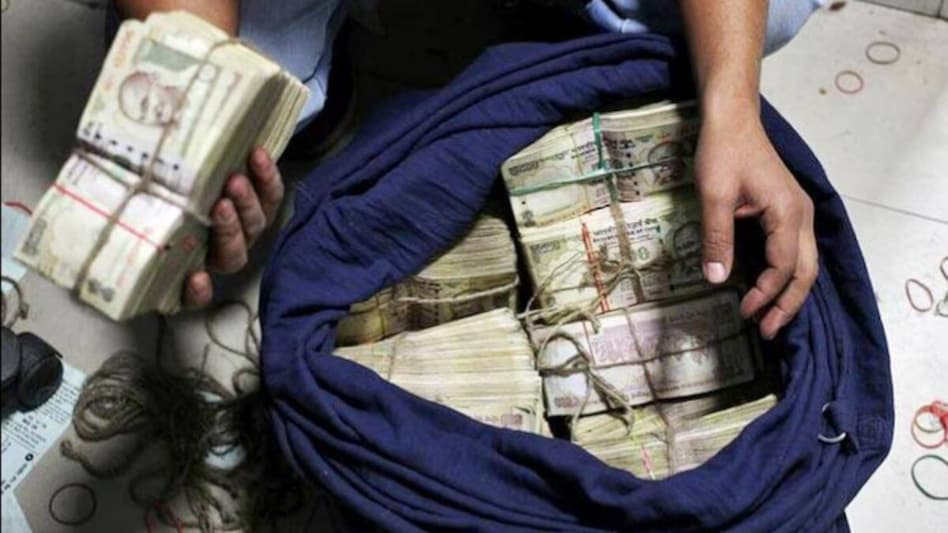
 The investigation led officers to a hideout in Gangondanahalli near Madanayakanahalli on the outskirts of Bengaluru.
A fake ₹500 note used to buy a packet of cigarettes has uncovered an alleged counterfeit currency racket on the outskirts of Bengaluru, with Karnataka Police arresting an MBA graduate accused of running the operation after being released from prison in an earlier fake currency case, according to a report by The Times of India.
The case began on 2 July when Anjana Shetty, a 56-year-old grocery shop owner from Hosahalli Kaimara in CN Halli taluk of Tumakuru district, told police that two men travelling in a blue Maruti Alto bought a packet of cigarettes using a ₹500 note.
FAQs
How did the fake ₹500 note case begin in Karnataka?
The case began on 2 July when a grocery shop owner in Hosahalli Kaimara, Tumakuru district, accepted a ₹500 note from two men who bought a packet of cigarettes. After giving ₹370 as change, she checked the note later, suspected it was counterfeit, and filed a police complaint.
How did Karnataka Police trace the accused in the counterfeit currency case?
Police formed a special investigation team with officers from Huliyaru police and Madanayakanahalli police. Using vehicle tracking and technical surveillance, they traced the blue Maruti Alto used in the transaction to a hideout in Gangondanahalli near Bengaluru.
Who is Rudresh in the Bengaluru fake currency racket case?
According to police, Rudresh is an MBA graduate and the alleged mastermind behind the counterfeit currency operation. He was also named as the prime accused in an earlier fake currency racket uncovered by Davanagere police in 2024.
What did police recover during the raid near Bengaluru?
During the raid at the Gangondanahalli hideout, police allegedly found a counterfeit currency printing unit and seized fake currency notes. Rudresh was arrested during the operation.
What are police investigating now in the fake note racket?
Police are now trying to find out the full scale of the operation, how many fake notes may already be in circulation, and whether more people were involved in printing or distributing the counterfeit currency. Further investigation is under way to identify the rest of the network.

 India to be first official partner country at Russian Energy Week 2026 in Moscow
 'Growth not built on investor trust will be difficult to sustain': SEBI’s Amarjeet Singh
 One by one, Mukesh Ambani is strengthening financial services play with tie ups with global giants
 These major cash losers were the chinks on Chandrasekaran’s robust armour
 Noel Tata’s Tata Group power play: How the trusts, family & next generation shape its future
 Solar Industries Stock Hits Record High: Expert Flags Valuation, Suggests Buying On Dips
 CAS Impact Fades As Traders Adapt To New Closing Auction Mechanism
 Tata Sons Succession: August 18 AGM To Set Search Process In Motion After N Chandrasekaran's Resignation
 Tata Sons Listing In Focus: RBI Move Puts N Chandra’s Successor’s Strategy Under Spotlight
 Maharashtra FDA Cracks Down On Domino’s, Pizza Hut Over Hygiene Violations
 SEBI proposes ₹5 crore asset test for accredited investors: Who could qualify?One by one, Mukesh Ambani is strengthening financial services play with tie ups with global giants
 Solar Industries Q1 earnings effect: Stock hits record high, rises most in six months
  Tata Motors Passenger Vehicles Q1 earnings: Revenue rises 9.3%, net profit at Rs 859 crore
  This Tata Group stock hits 52-week high; stock zooms 63% in six months; do you own?
 What role does Tata Sons play in the Tata Group? Here’s how the conglomerate is structured
 US stocks vs Nifty: Why the falling rupee can turbocharge your returns & complicate your taxes
 CJI boycott campaign: Bar Council reverses directive halting enrolment of NALSAR law graduates
  Meet Princess Ilyana of Pahang: The royal bride who married a British Ferrari GT3 racing driver
 Fizz on the tracks: Lucknow-Delhi Tejas Express adopts corporate brand title with beverage giant












