


 Dalal Street Surges 13% in November with Foreign Funds Driving Market Rally
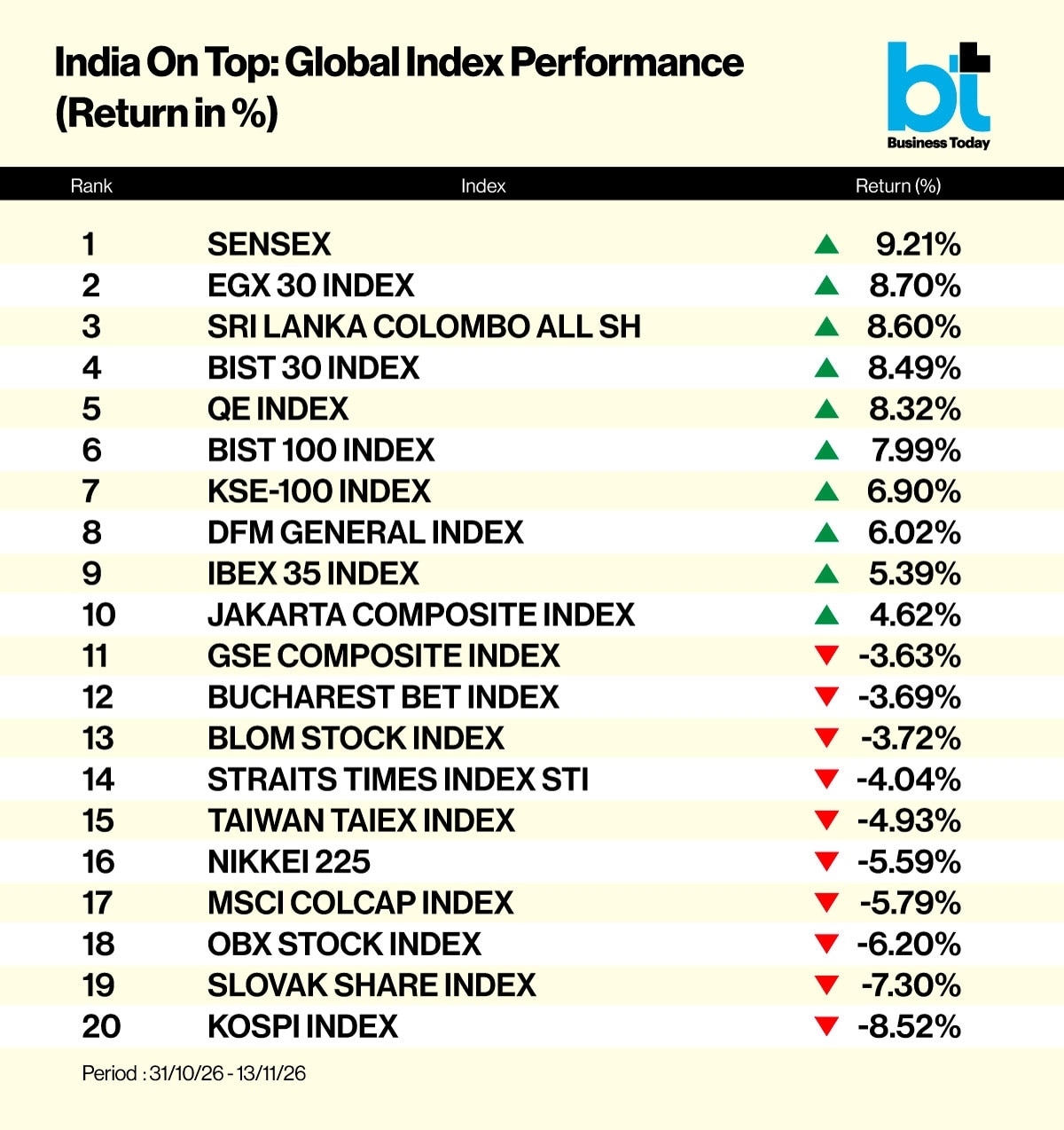
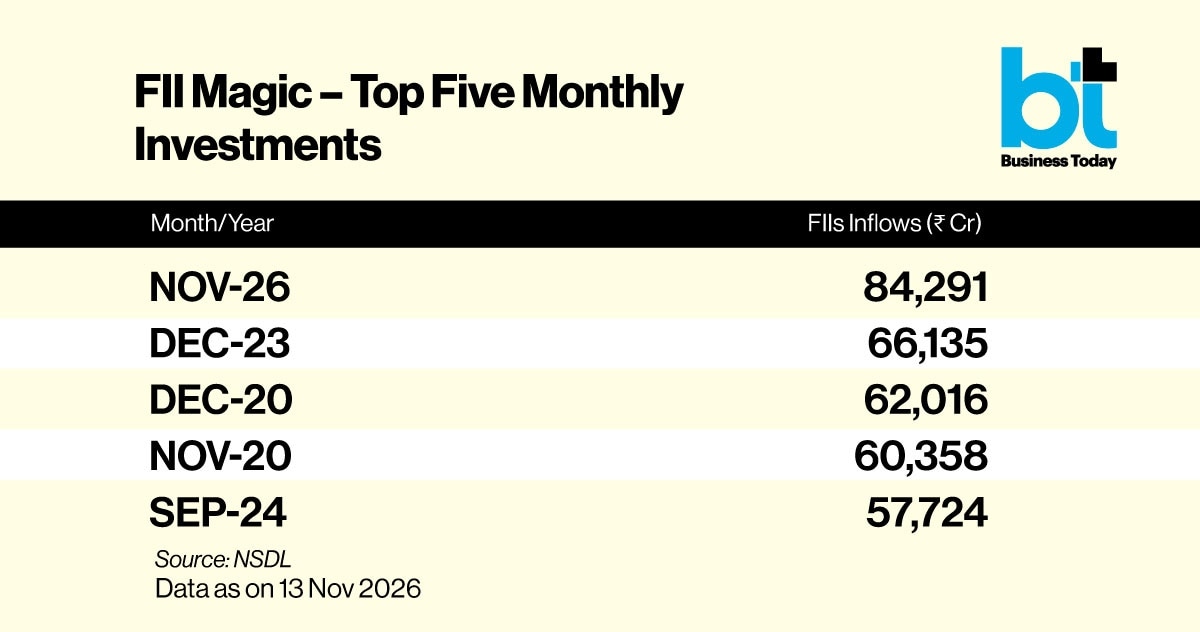
Dalal Street, Asia’s best-performing market so far in November, has just put to bed a 26-month nightmare, thanks to Jensen Huang’s romantic escapades, US President Donald Trump’s electoral losses and the resumption of heavy buying by foreign investors. Tighten your seatbelts as the bulls gallop towards new peaks.
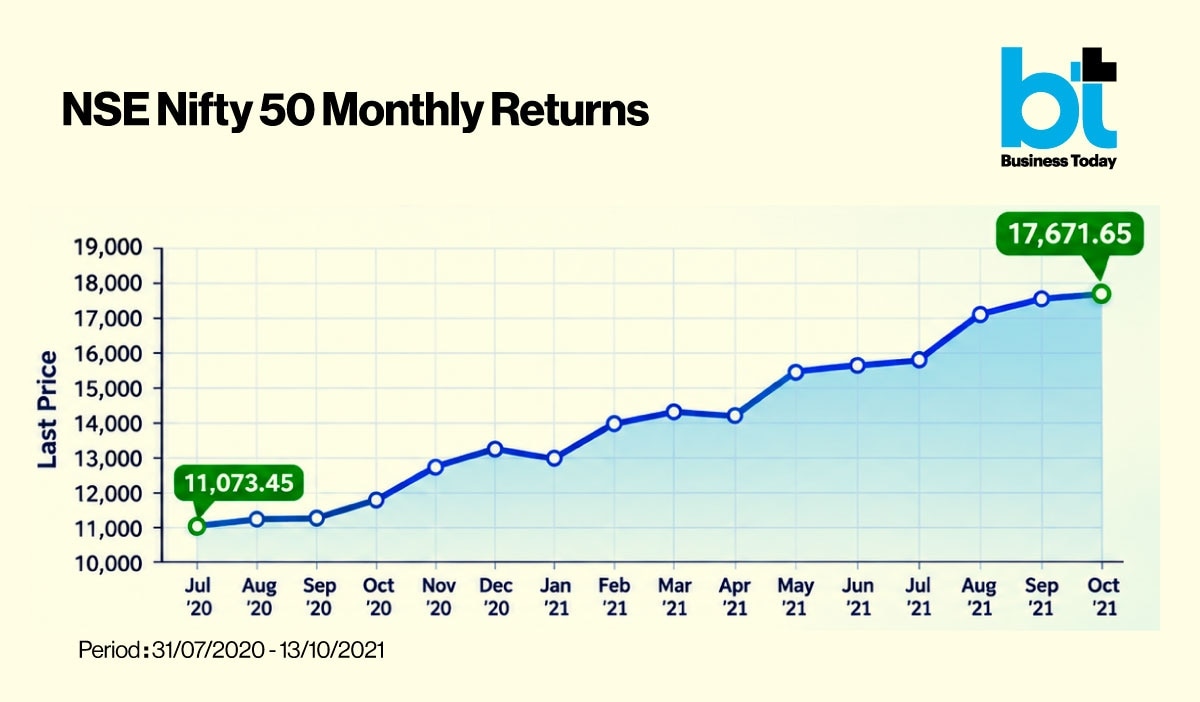
Inexpensive large caps and relative under-ownership have helped propel India’s 50-share Nifty up 13% since late October, as crude oil prices, the nation’s top import, have plunged 17% after Americans voted decisively against President Trump’s deeply unpopular Iran war in the US midterm elections.

 Amid market volatility, EPFO looks to tweak redemption policy for ETF units
 The leadership ladder: The career lessons no one teaches women
 Did BYD copy JLR’s Defender? Land Rover vows to protect IP amid legal battle
 How electrification could cut India's energy import bill by 40% by FY35
 ‘Patriarchy has no place in law’: Lakshmi Venu seeks formal partition of TVS’ Venu Srinivasan’s family assets
 How Westside Is Winning India's Festive Fashion Market?
 Piyush Goyal Calls For India-Egypt Startup Collaboration In AI, Tourism & Green Tech
 Silver Prices Crash 60% From January Peak | Is It Time To Buy Silver? Gold vs Silver
 Budget 2027 Wishlist | BTTV Sources: Markets Push For LTCG Tax Scrap Ahead Of Pre-Budget Meet
 Stock Market Outlook: Key Triggers That Could Move Dalal Street

 Senco Gold shares plunge 8%; is there more pain ahead?
 Hindustan Oil Exploration shares zoom 35% in four sessions; what analysts say
 Sensex, Nifty resume climb in volatile trade; what lies ahead for markets?
 Nifty Bank hits record closing high, Bank of Baroda sole loser
 Laurus Labs shares plunge 8%: What triggered the decline in this multibagger stock?
 Can Paytm shares finally rise above IPO price?How Westside Is Winning India's Festive Fashion Market?
 Beyond tiger safaris: India's luxury hotels are discovering new wildlife destinations
 Ramayana is India’s No. 5 film worldwide: What it needs to pass Pushpa 2, Baahubali 2 and DangalAmid market volatility, EPFO looks to tweak redemption policy for ETF units