


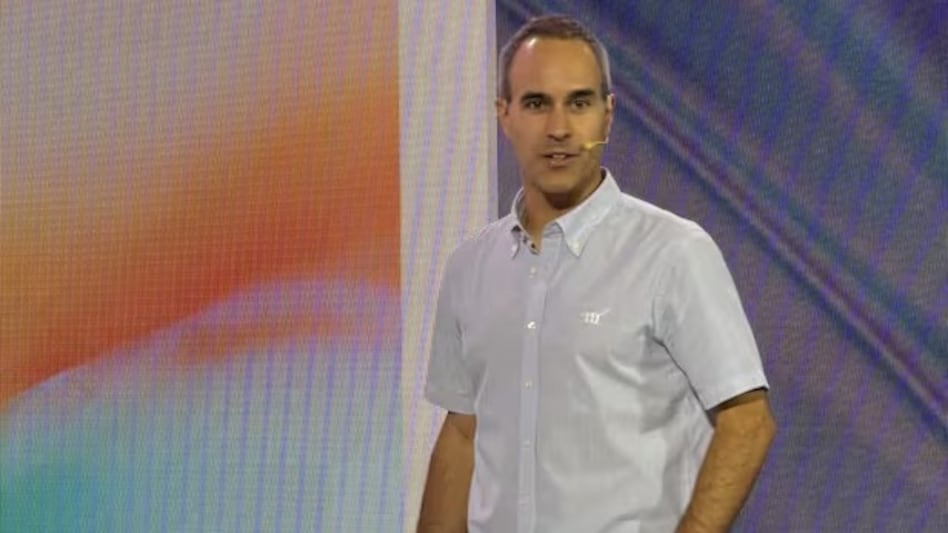
 Manara echoed OpenAI CEO Sam Altman's oft-repeated advice that founders should be excited — not worried — when new models are released.
As foundation artificial intelligence (AI) models become more capable and increasingly affordable, the competitive edge for AI start-ups is shifting away from sophisticated prompting and engineering workarounds towards speed, execution and distribution, according to Mark Manara, Head of Startups at OpenAI.
Speaking on the sidelines of FutureLab, Manara talked about how AI product development has evolved over the past two years. Mark said start-ups initially spent significant effort building scaffolding around models to compensate for their limitations.

 India is hiring more for AI than it is laying off, says Nomura
 RBI proposes ban on revolving credit by most NBFCs; only term loans to be allowed
 SBI expects to raise $10 billion in FCNR(B) deposits, targets 14-15% credit growth in FY27
 After PM Modi post row, Meta faces tough questions on algorithms, deepfakes and your feed
 SBI Q1 results today: Will NIM recover? Key expectations, target prices ahead of earnings
  Metropolis Healthcare Posts 17% Revenue Growth In Q1 FY27; Specialty Diagnostics & TruHealth Support
 Shiprocket IPO Opens At ₹92-97: Should Investors Subscribe Or Wait For Better Clarity?
 FADA: Record July Auto Sales, EV Demand Surges. What's Next For Auto Stocks?
 Trent Stock Stuck In Slow Lane: What's Holding Back The Next Big Rally?
 Pidilite Q1 Earnings Impress! Is This The Start Of A Fresh Rally For The Stock?
 Tata Technologies shares zoom 17% in two sessions, hit 52-week high; here's why
 BTTV Exlclusive: Deven Choksey's preferred top bets; flags midcap valuation risk
 Defence stock to buy: Is it still worth to buy this shipping share after 3,000% in 6 yrs?
  SBI Q1 results: Why PSU bank stock rallied 4% as net profit rises 10%; key highlights
 Siemens Energy India stock zooms 15%, top BSE gainer; here's why
  Inside the 1 km skyscraper that will make Burj Khalifa look small — here's Jeddah Tower's progress
 AI won't kill factory jobs, but it will change every manufacturing role: Siemens India CEO
 The study-abroad 'boom' is a statistical illusion
 Delhi-Meerut Expressway closed for Kanwar Yatra — here are all the alternative routes to use
 How the Yogi government is targeting Tier-2 & Tier-3 cities for its next investment wave










