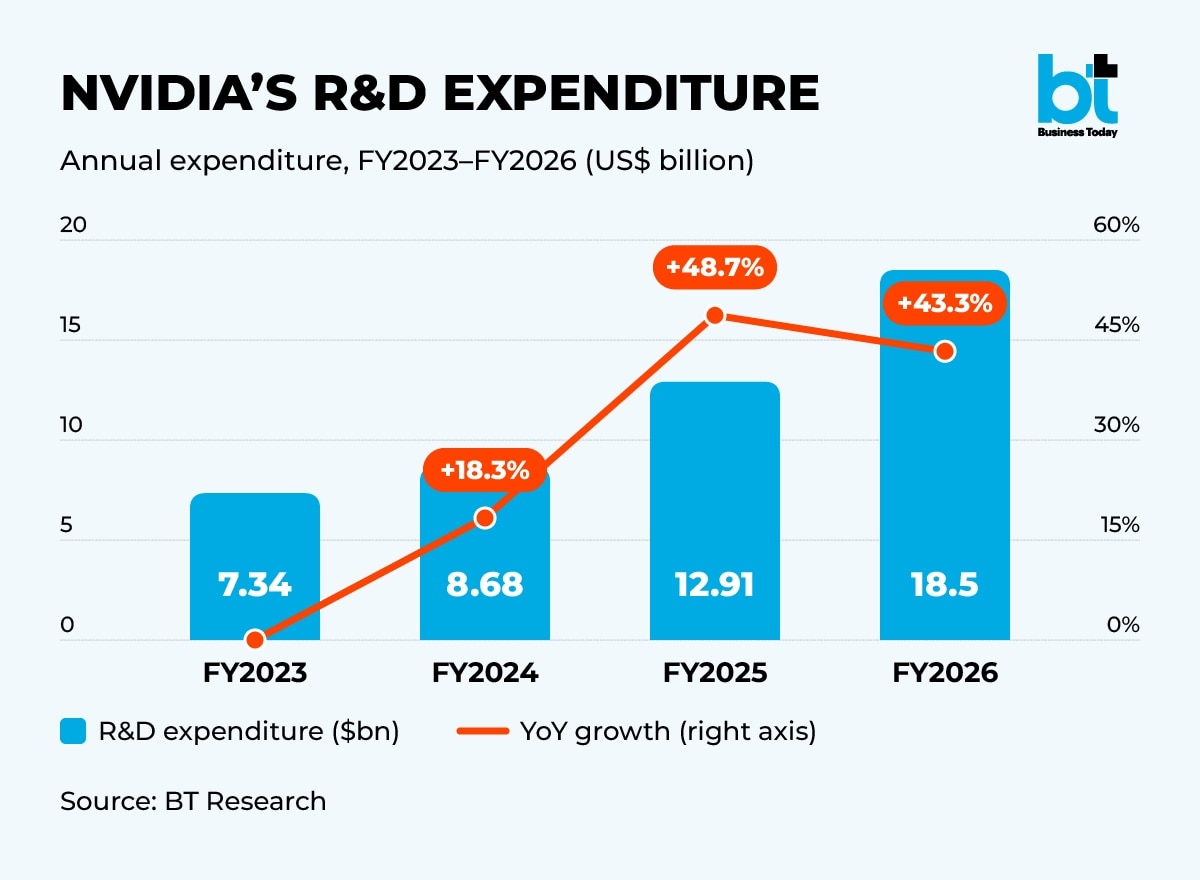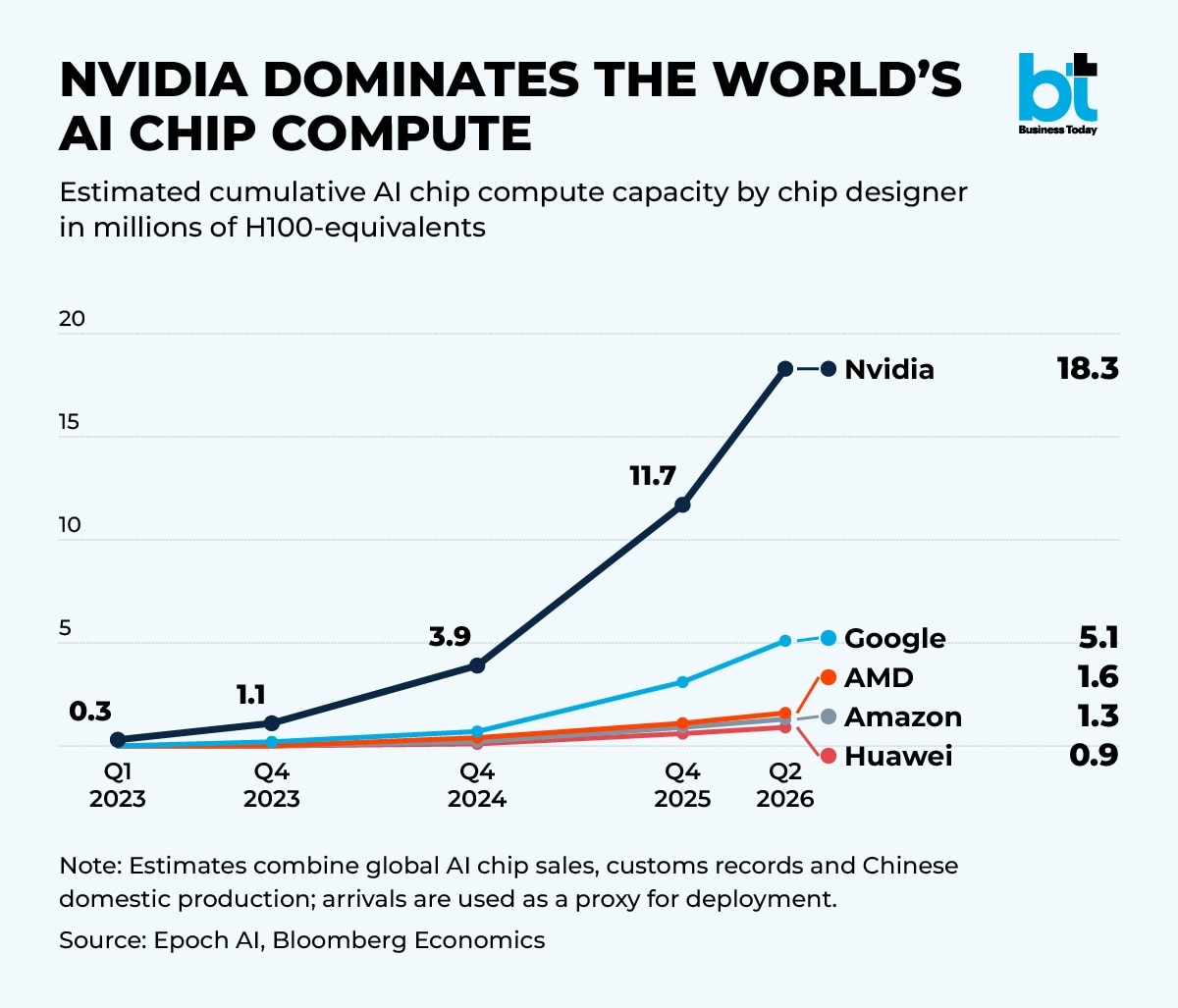



 Nvidia's position in the AI chip industry is reflected in its enormous share of global computing capacity.
Nvidia has emerged as one of the most influential companies in the global technology industry, placing itself at the centre of the artificial intelligence revolution. Its dominance extends beyond powerful graphics processing units (GPUs) to an integrated ecosystem of software, networking and data-centre solutions.
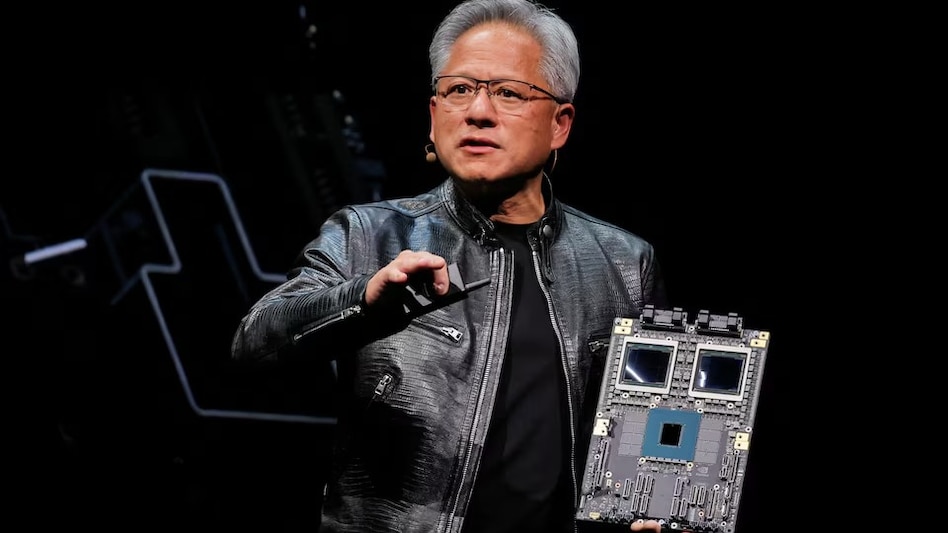
However, Jensen Huang's departure as CEO raises an important question: can Nvidia sustain its innovation edge as its leadership evolves? The answer matters not only for Nvidia but also for the broader semiconductor industry, the global AI race and software integration.

 India's LPG imports may hit 1 million barrels a day by 2035: Why the Hormuz crisis is a warning sign
 'Nothing but a change of mind': Manu Singhvi counters Lakshmi Venu's claim in TVS dispute
 OpenAI's first smartphone coming soon? ChatGPT maker reportedly picks iPhone supplier Foxconn for assembly
 Nifty Bank hits record high, crosses 64,000 mark for first time
 Tata Trusts meet today to weigh Tata Sons listing mandate amid deepening governance rift
 Nvidia's China Chip Scandal: Jay Puri, Alice Huang & The $2.5 Billion Trail
 From Homemaker To Drone Pilot: How Haryana's 'Drone Didi' Seeta Devi Is Changing Her Life
 From Yalta To Shenzhen: Trump, Putin & Xi's Historic Summit | Can 3 Powers Keep World Peace?
 TVK MLA VS Babu No More : The Man Who Defeated MK Stalin In Kolathur Passes Away At 75
 TVS Family Feud: Kapil Sibal On Daughters' Equal Rights, Family Assets & Business Ownership
 Nifty Bank hits record high, crosses 64,000 mark for first time
 Tata Technologies shares extend gains; will the bounce sustain or is upside limited?
 RIL, SAIL, IndusInd Bank among top upgrades, TMPV, Waaree, ACC among top downgrades post Q2
 Dilip Buildcon shares rise 7% on Gurugram Metro contract win
 Hexaware shares gain 3% on renewal of Microsoft Azure Expert MSP accreditation OpenAI's first smartphone coming soon? ChatGPT maker reportedly picks iPhone supplier Foxconn for assemblyNvidia's China Chip Scandal: Jay Puri, Alice Huang & The $2.5 Billion TrailNifty Bank hits record high, crosses 64,000 mark for first time From Homemaker To Drone Pilot: How Haryana's 'Drone Didi' Seeta Devi Is Changing Her Life
 ₹19.65 crore in 4 years: Aamir Khan's luxury Mumbai rental deal will leave you stunned